Electric Cars vs Petrol Cars: Which Is Better for Long-Term Ownership in 2026?
In 2026, choosing between an electric car and a petrol car is no longer just about fuel preference. It is a long-term financial, environmental, and practical decision that affects ownership costs, maintenance, and daily usability. As technology evolves and regulations change, buyers increasingly want clarity on which option makes more sense over time.
This guide compares electric cars vs petrol cars from a long-term ownership perspective, focusing on real-world costs, reliability, infrastructure, and future readiness—without hype or bias.
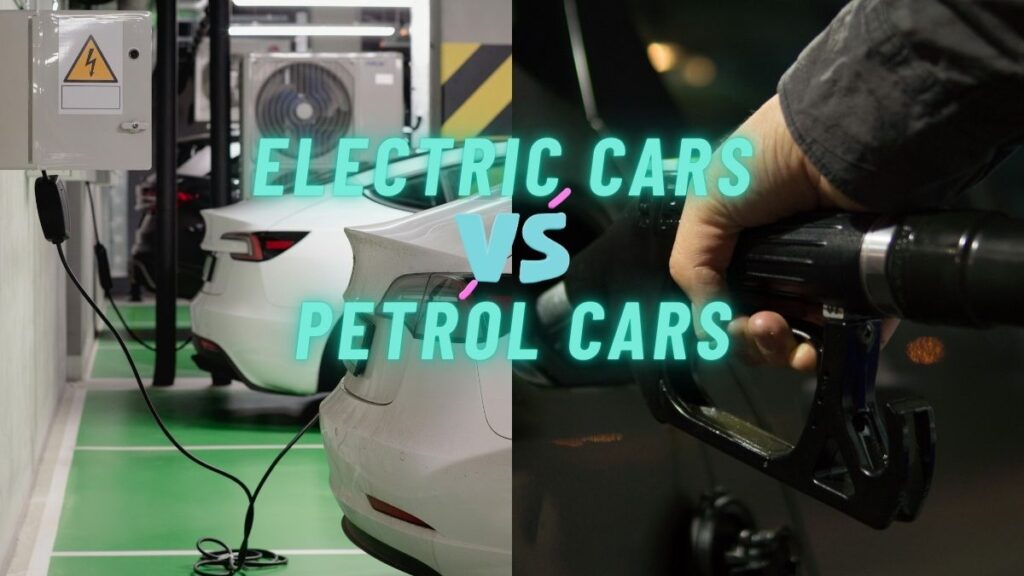
Electric Cars vs Petrol Cars in 2026
The debate between electric vehicles (EVs) and petrol cars has matured significantly. Electric cars are no longer experimental, while petrol vehicles are facing stricter emissions standards and rising fuel costs in many regions.
Understanding the long-term implications of both options is essential before making a purchase that may last a decade or more.
Purchase Cost and Government Incentives
Electric cars generally have a higher upfront cost than petrol cars. This is largely due to battery technology and manufacturing expenses. However, in many markets, EV buyers benefit from government incentives such as tax credits, reduced registration fees, or lower road taxes.
Petrol cars remain more affordable at entry level, particularly in budget segments. That said, incentives for petrol vehicles are declining as governments promote cleaner transportation, a trend discussed widely in global EV policy developments.
Running Costs and Fuel Expenses
One of the strongest arguments for electric cars is lower running costs. Electricity is typically cheaper than petrol on a per-kilometer basis, especially for home charging.
Key differences include:
- Electric cars: Lower energy cost, especially with home or off-peak charging
- Petrol cars: Higher and fluctuating fuel prices, influenced by global markets
Over long-term ownership, fuel savings can significantly offset the higher initial cost of an electric vehicle.
Maintenance and Reliability Over Time
Maintenance is a critical factor in long-term ownership.
Electric cars have:
- Fewer moving parts
- No oil changes
- Less mechanical wear
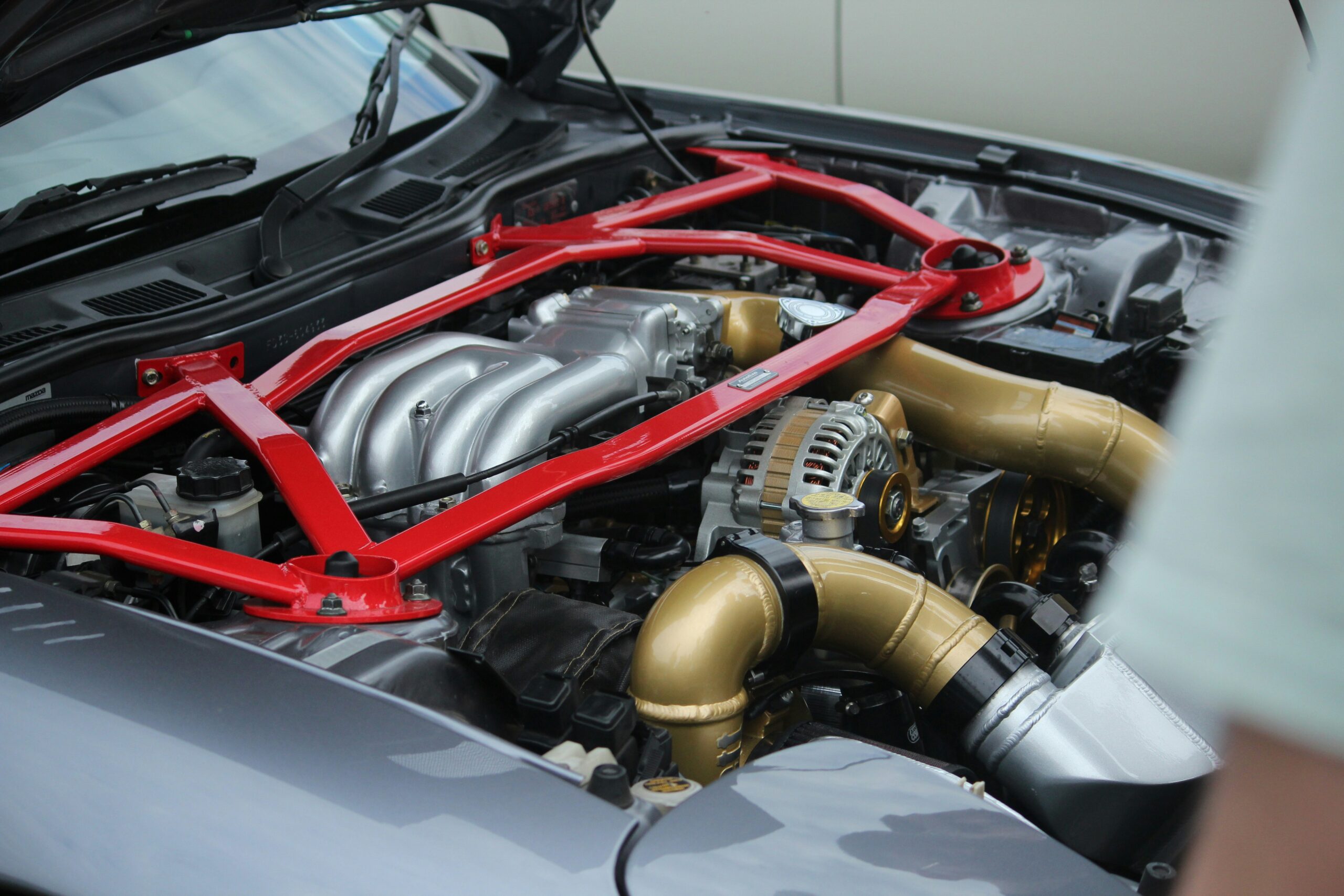
Petrol cars rely on complex engines, transmissions, and exhaust systems that require regular servicing. Over several years, maintenance and repair costs tend to be higher for petrol vehicles.
According to data referenced by manufacturers and research bodies such as the U.S. Department of Energy (https://www.energy.gov/), EVs generally have lower lifetime maintenance expenses.
Battery Life vs Engine Longevity
Battery longevity is a common concern among EV buyers. Modern electric car batteries are designed to last 8–15 years, with most manufacturers offering long warranties.
Petrol engines can also last many years with proper maintenance, but performance degradation, emissions issues, and repair costs increase with age.
In practice:
- EV battery degradation is gradual and predictable
- Petrol engine wear is more variable and maintenance-intensive
Charging Infrastructure vs Fuel Availability
Petrol cars still benefit from widespread fuel station availability, particularly in rural or developing regions. Refueling is fast and familiar.
Electric car charging infrastructure has improved significantly, especially in urban areas and along highways. Home charging adds convenience that petrol cars cannot offer.
Infrastructure growth is closely tied to investments highlighted by organizations such as the International Energy Agency (https://www.iea.org/), which tracks global EV adoption trends.
Environmental Impact and Emissions
From an environmental perspective, electric cars produce zero tailpipe emissions. While electricity generation may involve emissions depending on the energy mix, overall lifetime emissions for EVs are generally lower than petrol cars.
Petrol vehicles emit carbon dioxide and other pollutants throughout their lifespan. As emission regulations tighten, this may affect resale value and long-term usability.
For a broader view, see our analysis on how EVs impact the environment.
Driving Experience and Technology
Electric cars offer:
- Instant torque
- Quiet operation
- Smooth acceleration
Petrol cars still appeal to drivers who value engine sound, long-distance convenience, or traditional driving dynamics.
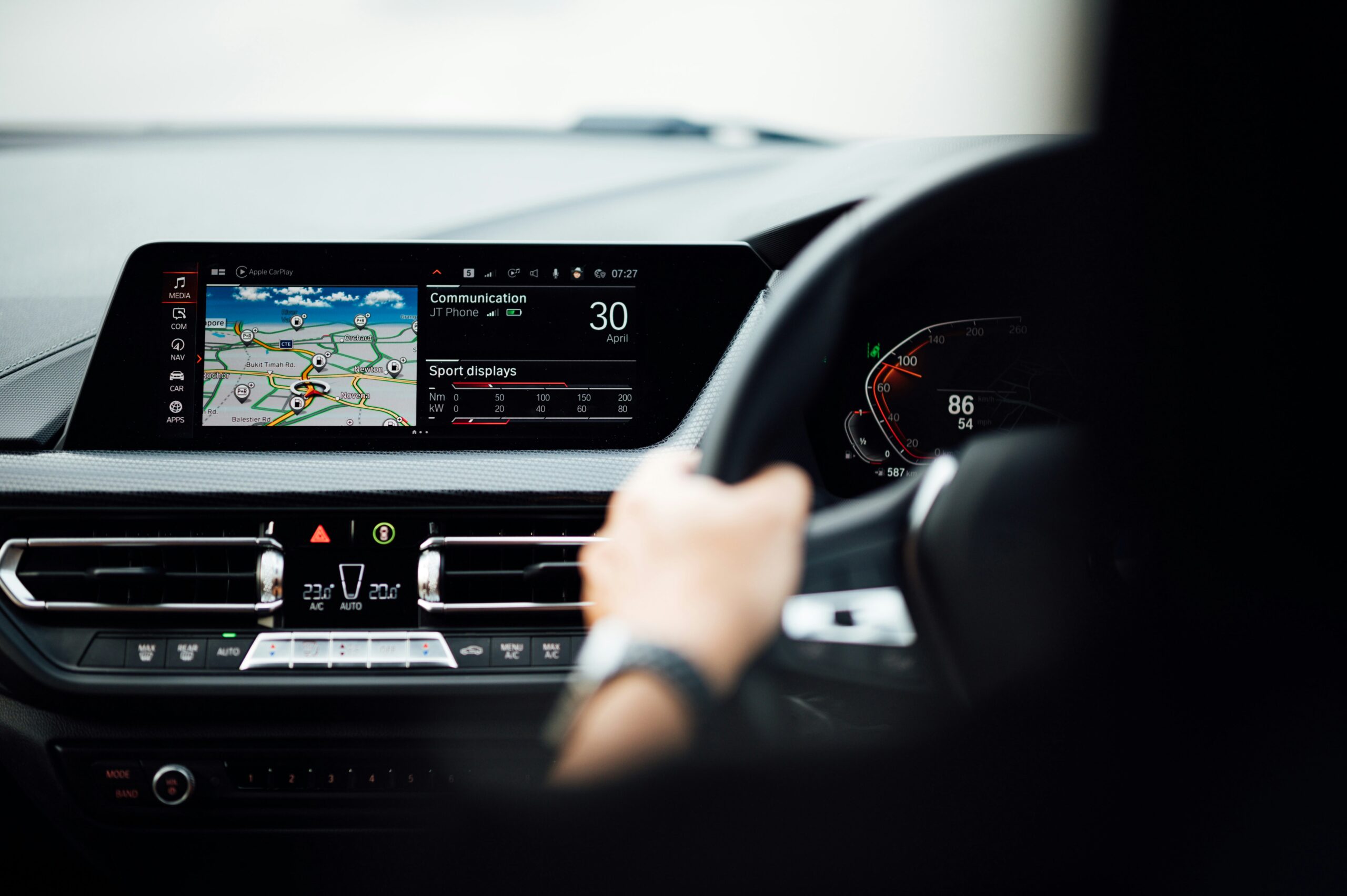
In terms of technology, EVs often lead with advanced software, driver assistance systems, and over-the-air updates, aligning closely with trends discussed in modern automotive technology comparisons.
Resale Value and Future Regulations
Resale value is becoming increasingly influenced by environmental regulations. In some regions, future restrictions on petrol vehicles may reduce demand over time.
Electric cars are benefiting from growing acceptance and improved battery durability, which supports stronger resale confidence in many markets.
Final Verdict: Which Is Better for Long-Term Ownership?
There is no universal answer, but for most buyers in 2026:
- Electric cars are better for long-term ownership if you value lower running costs, reduced maintenance, and future readiness.
- Petrol cars may still make sense for those with limited charging access or specific driving needs.
As infrastructure and technology continue to evolve, electric vehicles are increasingly positioned as the more sustainable long-term choice.