Ultimate Guide: EV Charging Technology Explained With 7 Real-World Differences
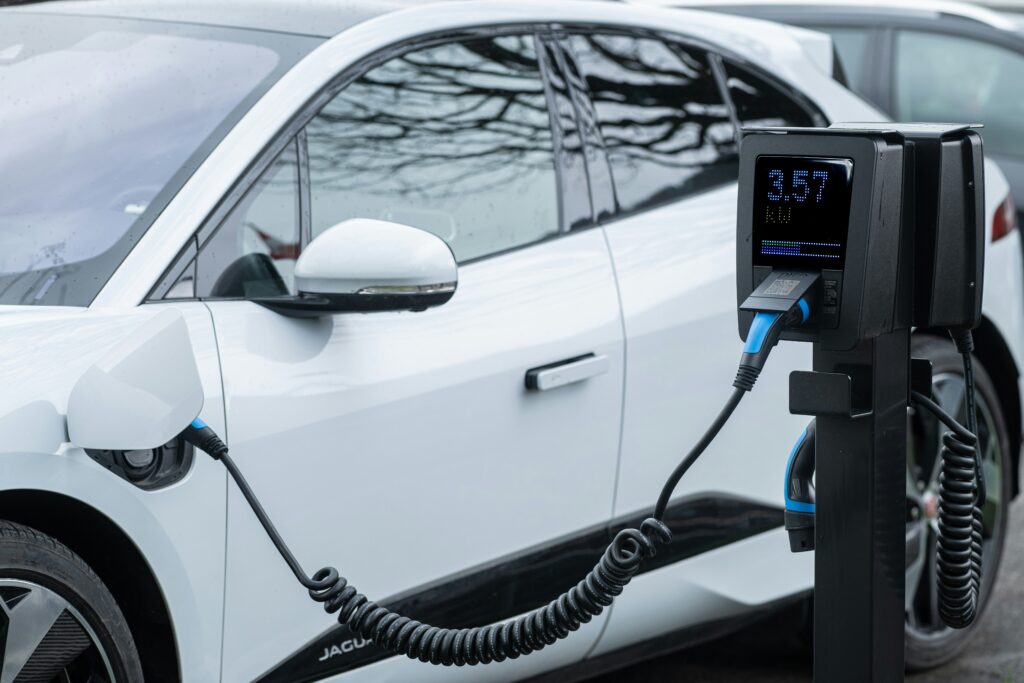
EV charging technology explained for everyday EV owners
EV charging technology determines how practical an electric vehicle feels in daily life. While range numbers and battery size get most of the attention, charging speed, charging type, and charging availability are what truly shape the ownership experience.
Many new EV buyers assume all chargers work the same way. In reality, EV charging systems differ significantly in power delivery, charging speed, battery impact, and cost. This guide breaks down seven real-world differences in EV charging technology that every current or future EV owner should understand.
1. AC Charging: The Foundation of EV Charging Technology
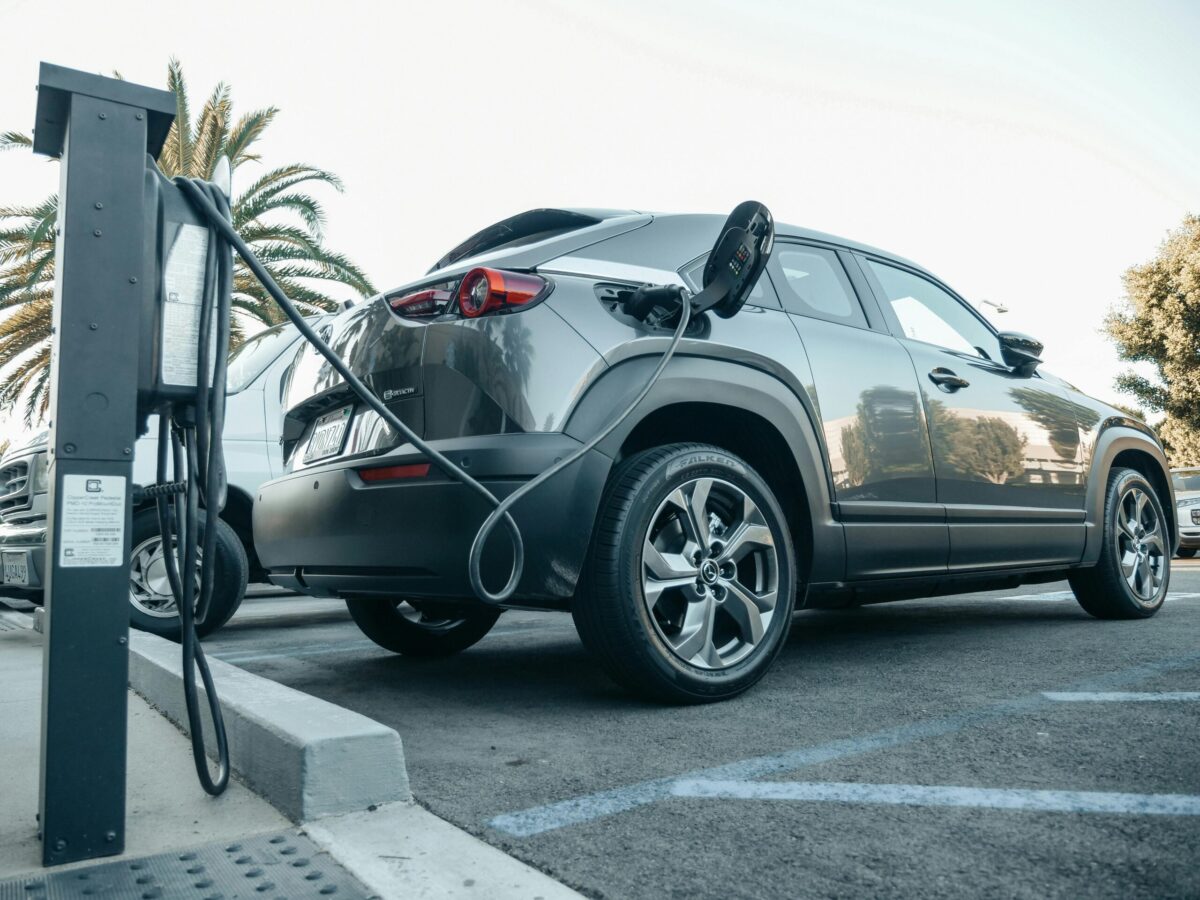
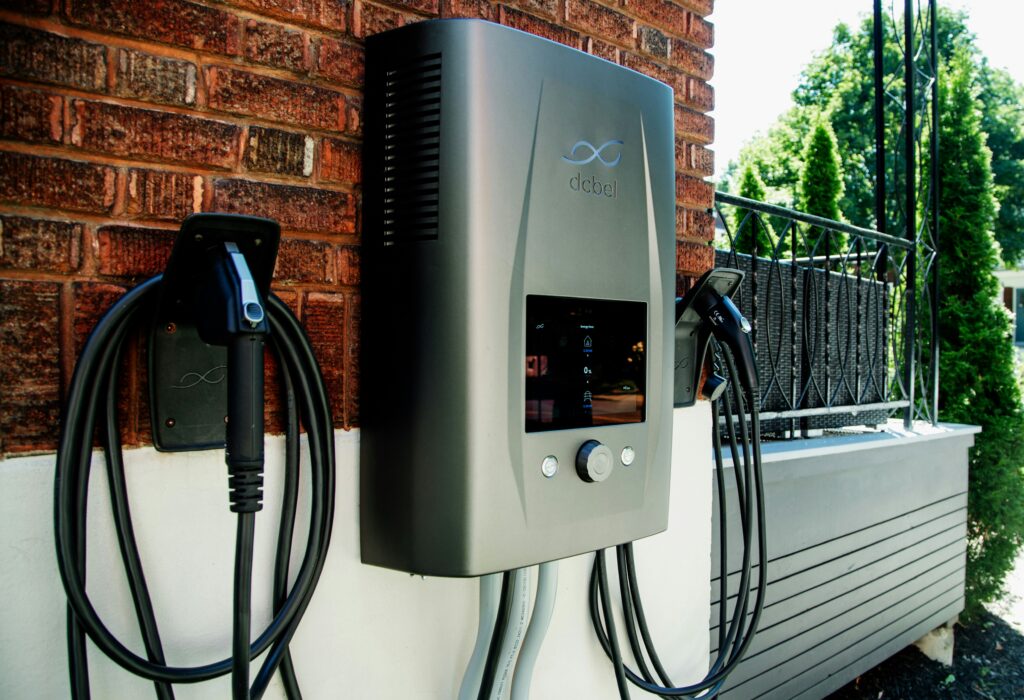
AC charging is the most common form of EV charging technology and is used primarily at homes, apartments, and workplaces.
When using AC charging:
- Electricity flows from the grid as alternating current
- The car’s onboard charger converts AC to DC
- Charging speed depends on the vehicle’s onboard charger capacity
AC charging is slower than fast charging but is gentler on the battery, making it ideal for overnight charging and daily use. Most EV owners rely on AC charging for more than 80% of their charging needs.
2. DC Fast Charging: Speed With Trade-Offs
DC fast charging represents the high-speed side of EV charging technology. These chargers supply direct current straight to the battery, bypassing the onboard charger.
Key characteristics include:
- Rapid charging in 20–40 minutes
- Higher power delivery (50 kW to 350 kW)
- Increased heat generation
DC fast charging is essential for long-distance travel but is not designed for frequent daily use. Excessive reliance on fast chargers accelerates battery aging, a factor already explained in detail in How Electric Vehicle Batteries Work: Charging, Degradation, and Lifespan.
3. Charging Speed Depends on More Than the Charger
A common misconception about EV charging technology is that faster chargers always deliver faster charging. In reality, charging speed depends on multiple factors:
- Vehicle battery capacity
- Battery temperature
- State of charge (SOC)
- Charging curve limitations
Even a 350 kW charger will slow down significantly once the battery reaches around 70–80%. This behavior protects battery health and prevents overheating.
4. Charging Curves: Why EVs Slow Down Near Full Charge
Unlike smartphones, EVs do not charge at a constant speed. EV charging technology uses charging curves that reduce power as the battery fills.
This explains why:
- 0–80% charging is fast
- 80–100% charging is slow
- Long charging sessions are inefficient
Understanding charging curves helps EV owners plan trips more effectively and avoid unnecessary waiting time.
5. Impact of EV Charging Technology on Battery Health
Charging behavior has a direct impact on battery longevity.
Healthier charging habits include:
- Regular AC charging
- Keeping charge levels between 20–80%
- Avoiding daily fast charging
These practices significantly slow battery degradation, which is why real-world EV performance depends not just on battery size but also on charging behavior—similar to how performance factors are discussed in 7 Factors That Define Electric Vehicle Performance in Real Life.
6. Charging Costs: Home vs Public Charging
EV charging technology also affects ownership cost.
- Home AC charging is the cheapest option
- Workplace charging often costs less or is free
- DC fast charging is the most expensive
While EVs remain cheaper to run than petrol cars, charging cost differences become noticeable during frequent highway travel, reinforcing why charging infrastructure planning matters.
7. Future of EV Charging Technology
EV charging technology is evolving rapidly, focusing on:
- Ultra-fast chargers with better thermal control
- Smart charging that adjusts to grid demand
- Vehicle-to-grid (V2G) integration
According to the International Energy Agency, global EV charging infrastructure is expanding rapidly to support long-term adoption and grid stability, with smart charging playing a central role in future energy systems (https://www.iea.org/reports/global-ev-outlook-2024).
Why EV Charging Technology Shapes EV Adoption
EV charging technology directly influences:
- Convenience
- Travel confidence
- Battery lifespan
- Total ownership cost
As infrastructure improves and charging systems become smarter, EV ownership will continue to feel more seamless for everyday drivers.
Key Takeaways:
- EV charging technology is not one-size-fits-all
- AC charging is best for daily use and battery health
- DC fast charging is essential but should be used strategically
- Charging speed depends on vehicle limitations, not just charger power
- Smart charging will define the next phase of EV adoption