Future of Cars: Will EVs Fully Replace Petrol Vehicles? Practical Reality Explained
The future of cars is a central debate among engineers, policymakers, and consumers alike. While the shift toward electric vehicles (EVs) is undeniable, the idea that EVs will entirely replace petrol vehicles in the near future remains more complex and nuanced than headlines suggest.
This article explores seven real-world factors that demonstrate why petrol vehicles will continue to coexist with EVs for a long time — not just due to technology, but because of economics, infrastructure, human behavior, and market realities.
1. Infrastructure Limitations Still Constrain EV Growth
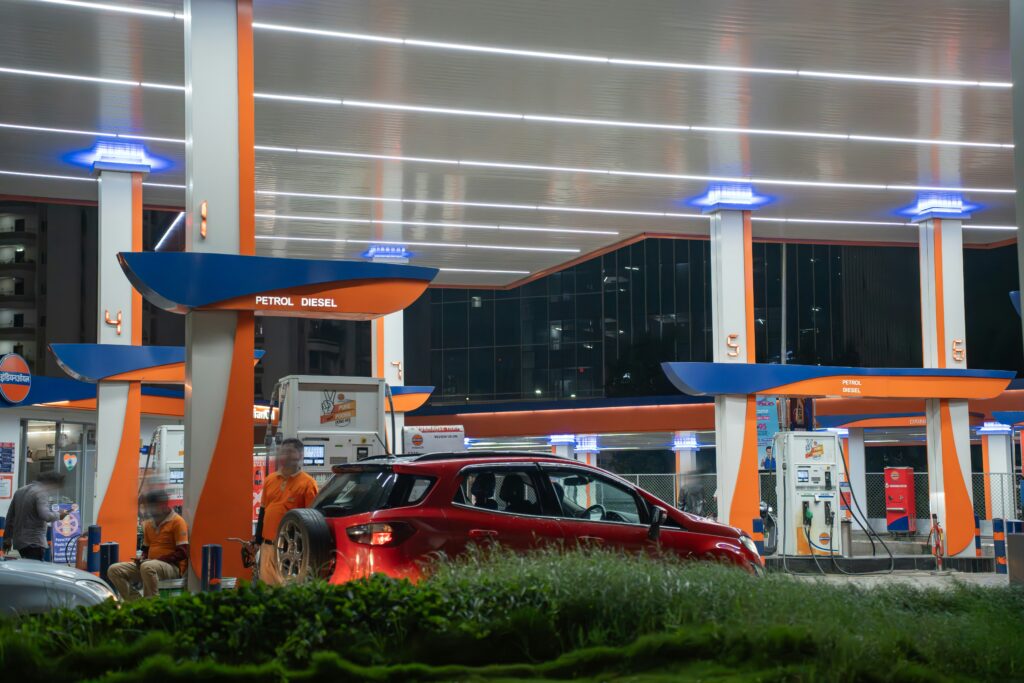
One of the clearest constraints on the future of cars is the gap between EV adoption and charging infrastructure. While charging stations are expanding rapidly, many regions — especially rural and low-income areas — still lack reliable public charging. Petrol stations, by contrast, are dense and familiar.
Expanding EV charging infrastructure requires grid upgrades, long-distance energy distribution, and coordinated public-private planning, which will not happen uniformly across all regions in the near term. This constraint means many drivers will continue relying on petrol vehicles simply because there are fewer practical alternatives for long journeys or off-grid travel.
(EV charging infrastructure explained — uneven availability and grid demand)
2. Vehicle Cost and Economic Barriers
EVs tend to have higher upfront costs due to expensive battery packs and advanced electronics. While operating costs are often lower (no engine oil, fewer moving parts), the upfront sticker price remains a barrier for many consumers.
Even with subsidies and tax incentives in some regions, the total price of entry for EVs is still out of reach for budget-conscious buyers in many global markets. Petrol vehicles also benefit from a well-developed maintenance ecosystem and used vehicle markets that make ownership more accessible to a larger segment of the population.
3. Battery Technology and Raw Material Constraints
Battery chemistry is improving, but it still faces practical challenges. Lithium-ion batteries require significant amounts of critical materials such as lithium, cobalt, and nickel. Supply chain bottlenecks, mining impacts, and geopolitical dependencies slow down large-scale battery production.
Until battery technology can deliver more energy density with fewer resource constraints, and until recycling systems are fully scalable, the future of cars will include a mix of powertrains rather than a pure EV fleet.
(How Electric Vehicle Batteries Work — charging, degradation, and lifespan factors)
4. Consumer Behavior and Brand Loyalty
Not all consumers embrace EVs at the same rate. Many drivers maintain strong preferences for petrol vehicles due to:
- Familiarity with fueling routines
- Perceived reliability
- Attachment to driving characteristics
- Concerns about range and charging wait times
In many cultures, car ownership is tied to tradition and lifestyle, and cars are more than just transportation — they carry emotional and generational value. These human elements play a significant role in the future of cars and slow wholesale replacement of petrol vehicles.
5. Heavy-Duty and Specialized Vehicle Challenges
EVs make tremendous progress in passenger cars, but many heavy-duty segments — trucks, buses, agricultural vehicles, long-haul freight — still rely heavily on high-energy-density fuels.
Battery weight, charging times, and energy demands for heavy loads remain major challenges. Hydrogen fuel cells and hybrid systems are promising, but not yet a broad solution for these specialized categories.
6. Policy and Regulatory Variation Across Regions
Governments shape the future of cars through policy, incentives, and regulation. Some regions aggressively mandate EV transitions, while others take a gradual approach due to economic or infrastructure concerns.
In many countries, policy environments change with political cycles, creating uncertainty that slows long-term consumer adoption of EVs. Stability in regulation is a precondition for sustainable transition — but this stability is not universal.
According to research from the International Energy Agency, regulatory frameworks and coordinated policy action are critical to achieving sustained penetration of EVs — and current regional differences illustrate how uneven progress can be.
(https://www.iea.org/reports/global-ev-outlook-2024)
7. Environmental and Lifecycle Considerations
Although EVs produce zero tailpipe emissions, they have environmental footprints elsewhere — from battery manufacturing to energy generation. In regions reliant on coal or fossil-heavy grids, EV emissions can still be high.
Additionally, battery recycling infrastructure is still developing. The future of cars depends not just on electric powertrains, but on how sustainably those powertrains can be manufactured, powered, and recycled.
Realistic Timeline: Coexistence Rather Than Replacement
Taken together, these seven factors show that the future of cars will not be characterized by a simple elimination of petrol vehicles. Instead, the global fleet is likely to include:
- EVs for daily urban commuting
- Petrol/hybrid vehicles in transitional and rural markets
- Specialized vehicles in heavy-duty fleets
- Diverse powertrain mixes depending on economics and geography
This coexistence is not a failure of EV technology, but a realistic reflection of market and infrastructure conditions.
Key Takeaways: The Future of Cars in Context
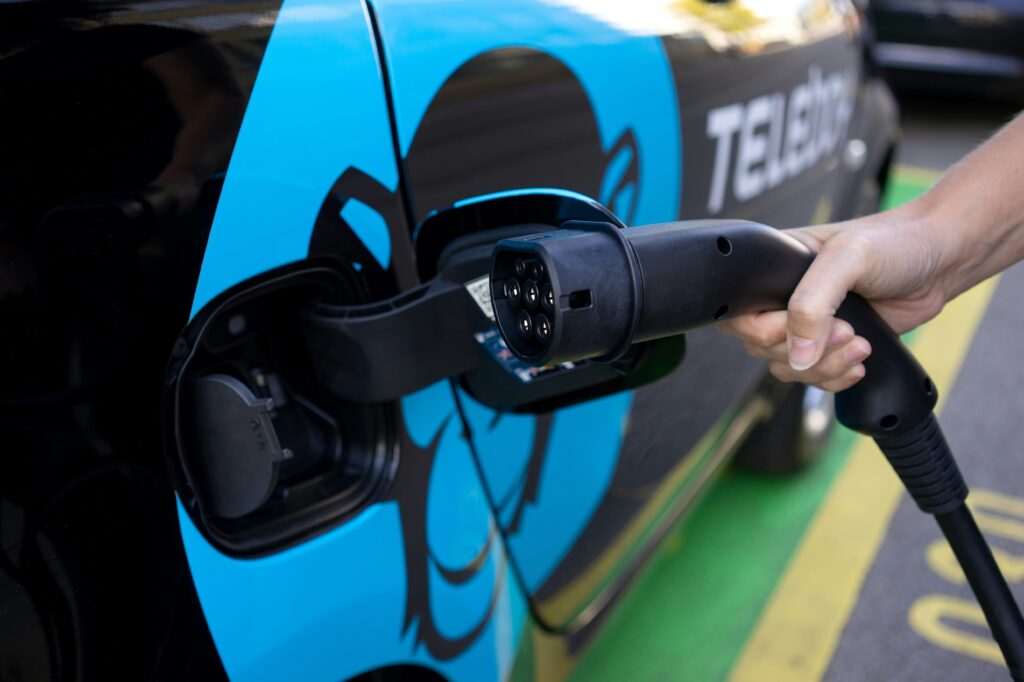
- EVs are transforming personal transportation, but infrastructure gaps still slow full adoption
- Economic barriers and resource constraints remain significant
- Consumer attitudes and heavy-duty needs diversify powertrain demand
- Regulatory inconsistency affects global adoption rates
- Environment impact is context dependent, not universally zero
The future of cars will be shaped by adaptation, innovation, and diverse mobility solutions, not a single powertrain.