Android vs iPhone: Which Is Better for Long-Term Use?
Choosing between Android and iPhone is not just about features or brand preference—it is a long-term decision that affects performance, software updates, security, resale value, and overall user experience for years. Many buyers focus on short-term specs, but long-term usability is where the real difference appears.
This guide compares Android vs iPhone long-term use in a clear, practical way so anyone—from casual users to tech-savvy buyers—can make a confident decision.
Android vs iPhone – long-term use
Vs
1. Software Updates and Longevity
iPhone (iOS)
Apple controls both hardware and software, which allows it to deliver long and consistent updates. as part of its official iOS update policy.
- iPhones receive 5–6 years of iOS updates
- Security patches are released simultaneously worldwide
- Even older iPhones remain usable with new apps
For example, iPhones released several years ago still receive the latest iOS versions, making Apple one of the best options for long-term software support.
Android
Android update support depends heavily on the brand and manufacturer policies outlined under Android security updates.
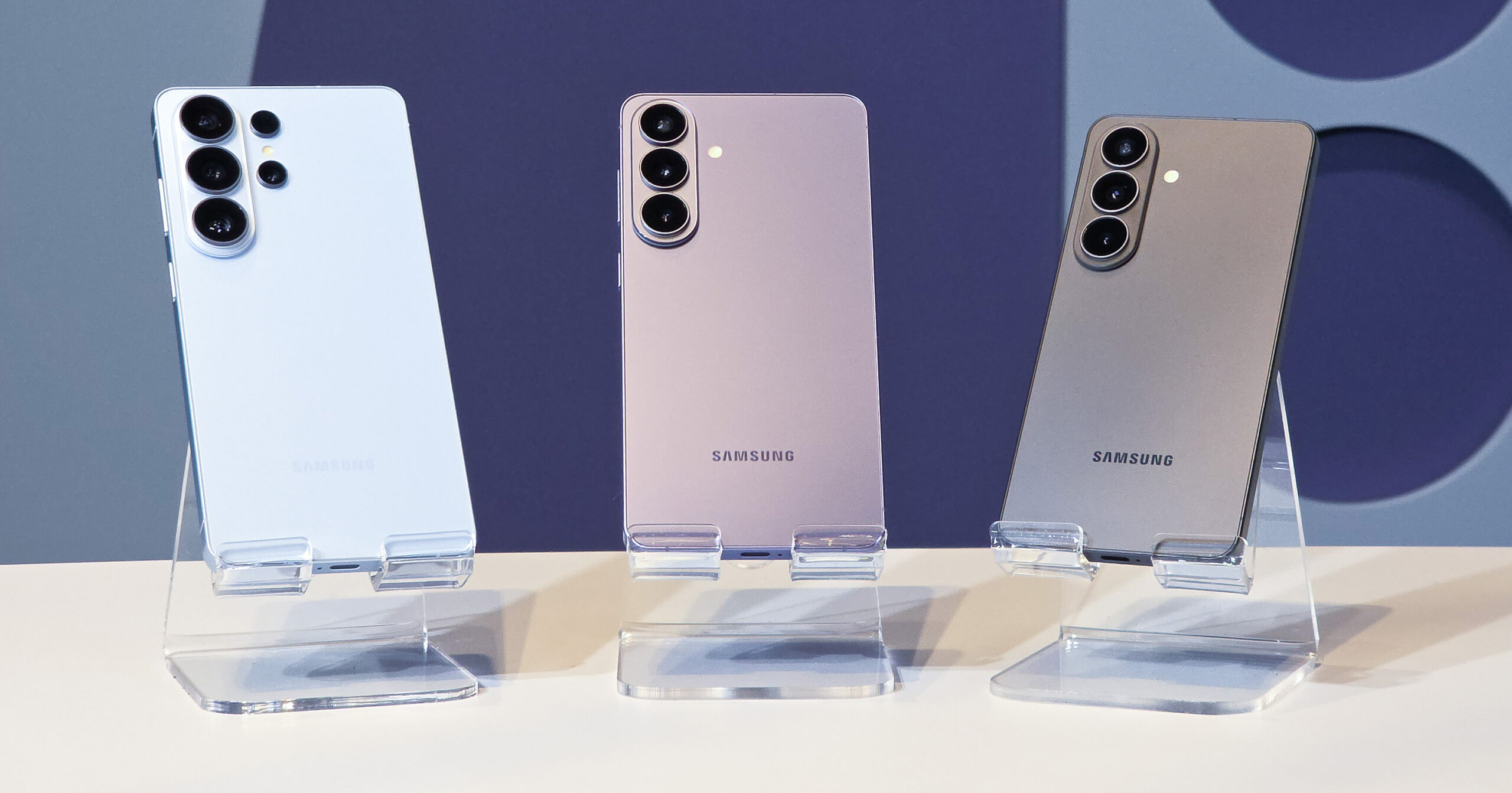
- Google Pixel and Samsung now offer 5–7 years of updates
- Mid-range and budget Android phones often receive 2–3 years
- Updates roll out at different times depending on the manufacturer
Samsung, for example, has publicly committed to extended updates under its software update commitment.
Verdict: For guaranteed long-term updates, iPhone has the edge, though premium Android brands have improved significantly.
2. Performance Over Time
iPhone Performance
Apple designs its own processors, which are optimized specifically for iOS, resulting in long-term performance stability that complements the broader Apple ecosystem integration.
- iPhones age slowly in terms of speed
- Apps remain smooth even after years of use
- Performance consistency is one of Apple’s strongest advantages
Android Performance
Android performance varies widely based on hardware choices and software optimization, which is often explained in broader Android vs iOS comparisons.
- Flagship Android phones remain fast for years
- Budget models may slow down earlier
- Performance depends on RAM, chipset, and software optimization
Verdict: For predictable, stable performance over many years, iPhone performs more consistently, while high-end Android phones can match it if chosen carefully.
3. Battery Health and Replacement
iPhone Battery Experience
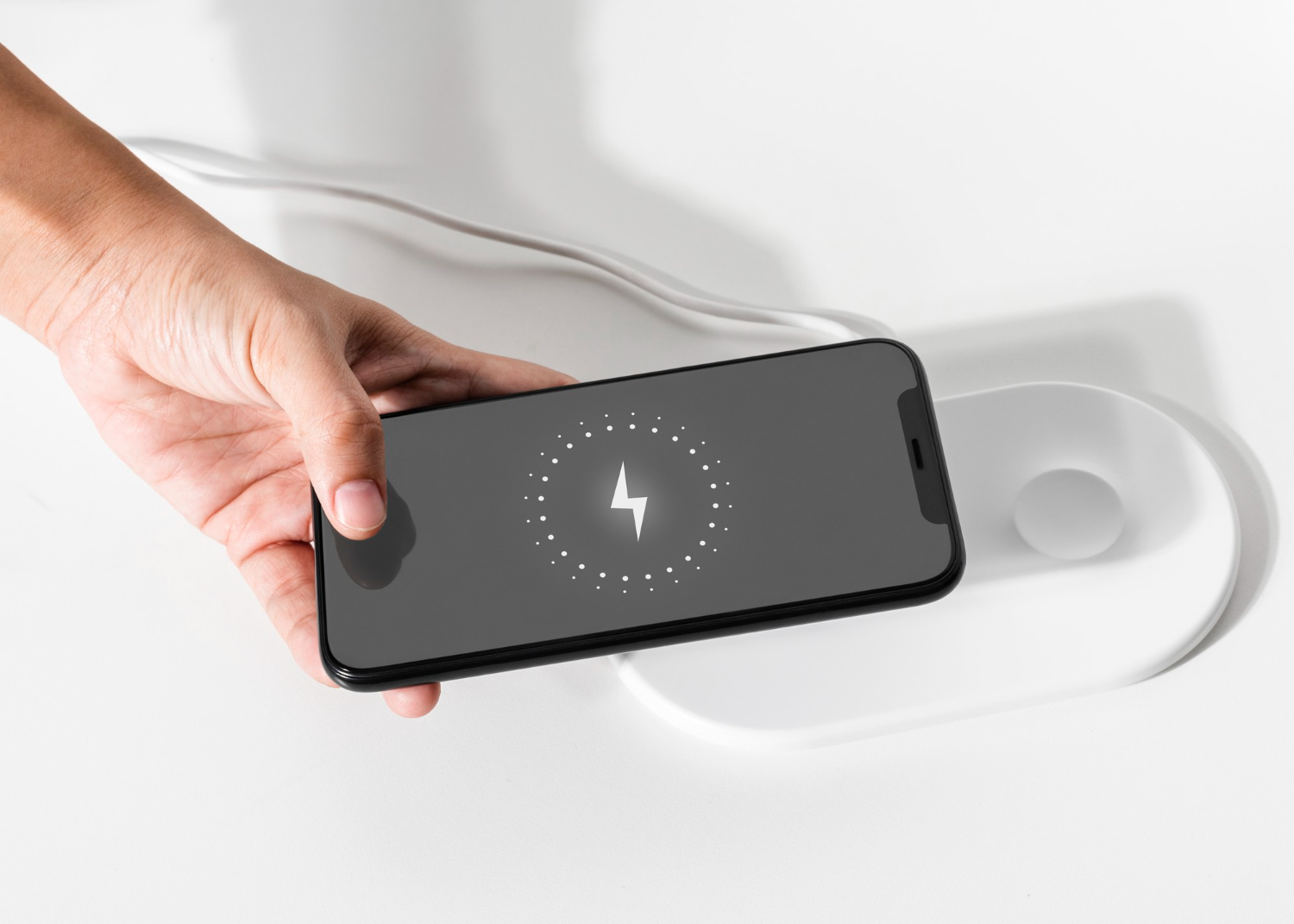
Apple includes built-in battery health monitoring and transparent performance management.
- Battery health tracking is built into iOS
- Apple throttles performance only when batteries degrade significantly
- Battery replacements are standardized and widely available
Android Battery Experience
Android devices often emphasize faster charging and larger batteries, which users commonly explore when trying to improve smartphone battery life.
- Battery life varies by brand and usage
- Some Android phones offer faster charging and larger batteries
- Battery replacement options depend on manufacturer support
Verdict: Android offers better charging speed and flexibility, but iPhone provides better long-term battery health management.
4. App Support and Compatibility
iPhone Apps
App developers prioritize iOS due to hardware consistency, ensuring long-term compatibility across devices.
- Apps are optimized for fewer devices
- Many apps receive features first on iOS
- Long-term compatibility is excellent
Android Apps
Android offers a broader app ecosystem but with varied optimization levels.
- Greater variety of apps and customization
- Some apps may stop supporting older Android versions earlier
- App quality varies more due to device diversity
Verdict: For long-term app compatibility and consistency, iPhone has an advantage.
5. Customization and Flexibility
Android remains the preferred choice for users who want control and personalization, especially those interested in exploring AI-powered smartphone features.
Android Strengths
- Deep customization options
- Default app control
- File management freedom
- Easier integration with third-party devices
iPhone Limitations
- Limited customization compared to Android
- Strong ecosystem lock-in
- More controlled user experience
Verdict: If long-term flexibility matters more than simplicity, Android is the better choice.
6. Privacy and Security
Apple emphasizes privacy through features such as App Tracking Transparency, which limits data collection by default.
iPhone Privacy
- Strong privacy controls
- App tracking transparency
- Data processing mostly happens on-device
Android Privacy
Android has improved privacy controls significantly, though users must configure settings manually, a topic often discussed in privacy-focused mobile operating systems.
- Improved significantly in recent years
- Privacy varies by brand and settings
- Greater control, but requires manual configuration
Verdict: For users who want privacy without extra effort, iPhone is generally safer long term.
7. Cost and Value Over Time
iPhone Value
- Higher upfront cost
- Strong resale value
- Longer usable lifespan
Android Value
- Wide price range
- Better budget options
- Lower resale value overall
Verdict: iPhones cost more initially but often cost less over time due to longevity and resale value.
8. Ecosystem and Device Integration
iPhone Ecosystem
- Seamless integration with Mac, iPad, Apple Watch
- Long-term ecosystem stability
- Best for users already invested in Apple products
Android Ecosystem
- Works across brands and platforms
- Better compatibility with Windows and smart devices
- Less restrictive environment
Verdict: Apple wins for ecosystem consistency; Android wins for openness.
Final Comparison Summary
Android vs iPhone – long-term use
| Factor | iPhone | Android |
|---|---|---|
| Software updates | Excellent | Brand-dependent |
| Performance longevity | Very strong | Varies |
| Customization | Limited | Extensive |
| Privacy | Strong by default | Strong with setup |
| Cost flexibility | Expensive | Wide range |
| Long-term value | High | Medium to high |
Final Verdict: Which Is Better for Long-Term Use?
Choose iPhone if:
- You want reliable updates for many years
- You value performance stability and resale value
- You prefer a simple, secure experience
Choose Android if:
- You want customization and flexibility
- You prefer more hardware choices
- You plan to upgrade more frequently
Overall:
For most users focused strictly on long-term use, iPhone is the safer and more predictable choice, while Android is ideal for users who value control and variety.