Future-Proof Guide: Connected Car Technology Explained — What Data Modern Cars Share
Connected car technology explained in simple terms
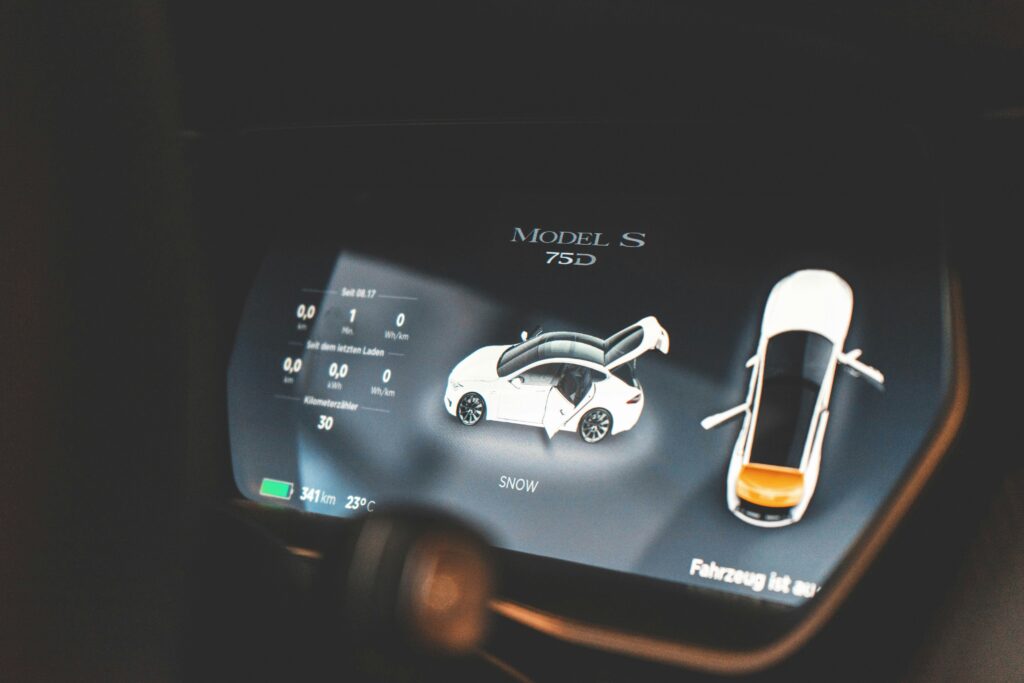
Connected car technology refers to the systems that allow modern vehicles to communicate with the internet, mobile apps, cloud platforms, and external services. Today’s cars are no longer isolated machines — they are rolling data centers that continuously collect, process, and transmit information.
This data exchange enables safer driving, predictive maintenance, navigation accuracy, and remote features. At the same time, it raises serious questions about privacy, ownership, and control of vehicle-generated data.
Understanding what data cars share — and why — is essential for modern drivers.
What makes a car “connected”?
A connected vehicle uses embedded SIMs, Wi-Fi modules, Bluetooth, GPS receivers, and cloud software to stay online. These systems link the car to:
- Manufacturer servers
- Smartphone apps
- Navigation and traffic services
- Emergency response networks
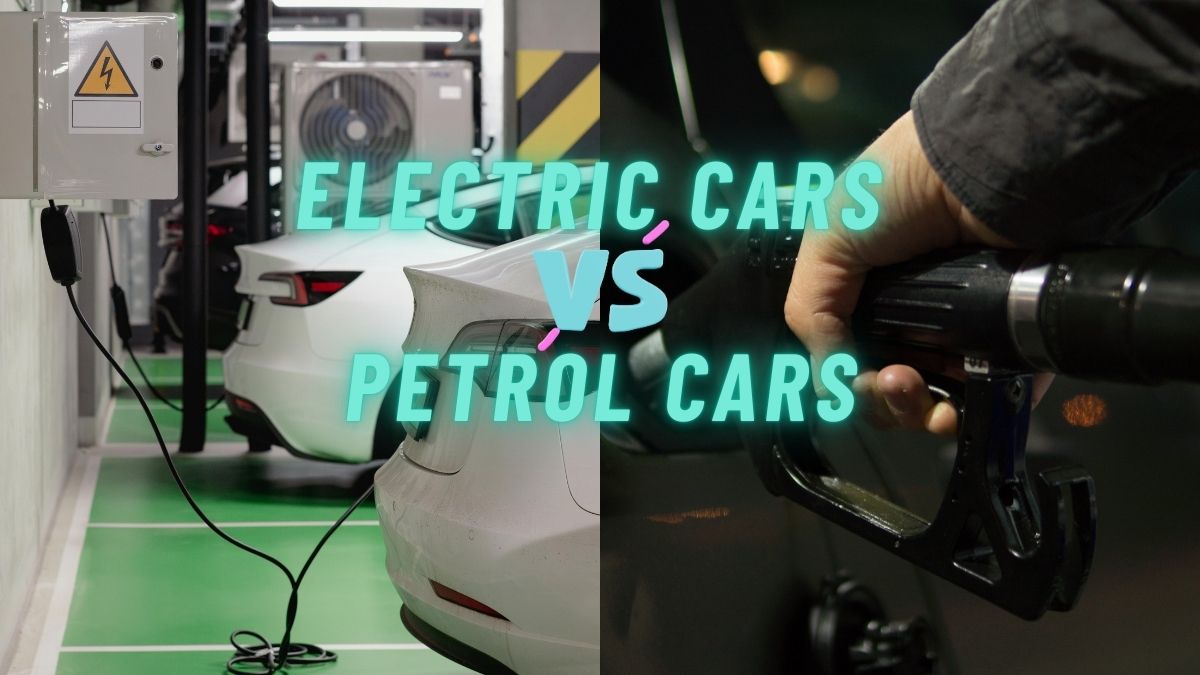
Connected car technology exists in both petrol and electric vehicles and continues to expand as software becomes central to vehicle design.
1. Location and GPS data
Modern cars constantly collect location data using GPS systems. This data supports:
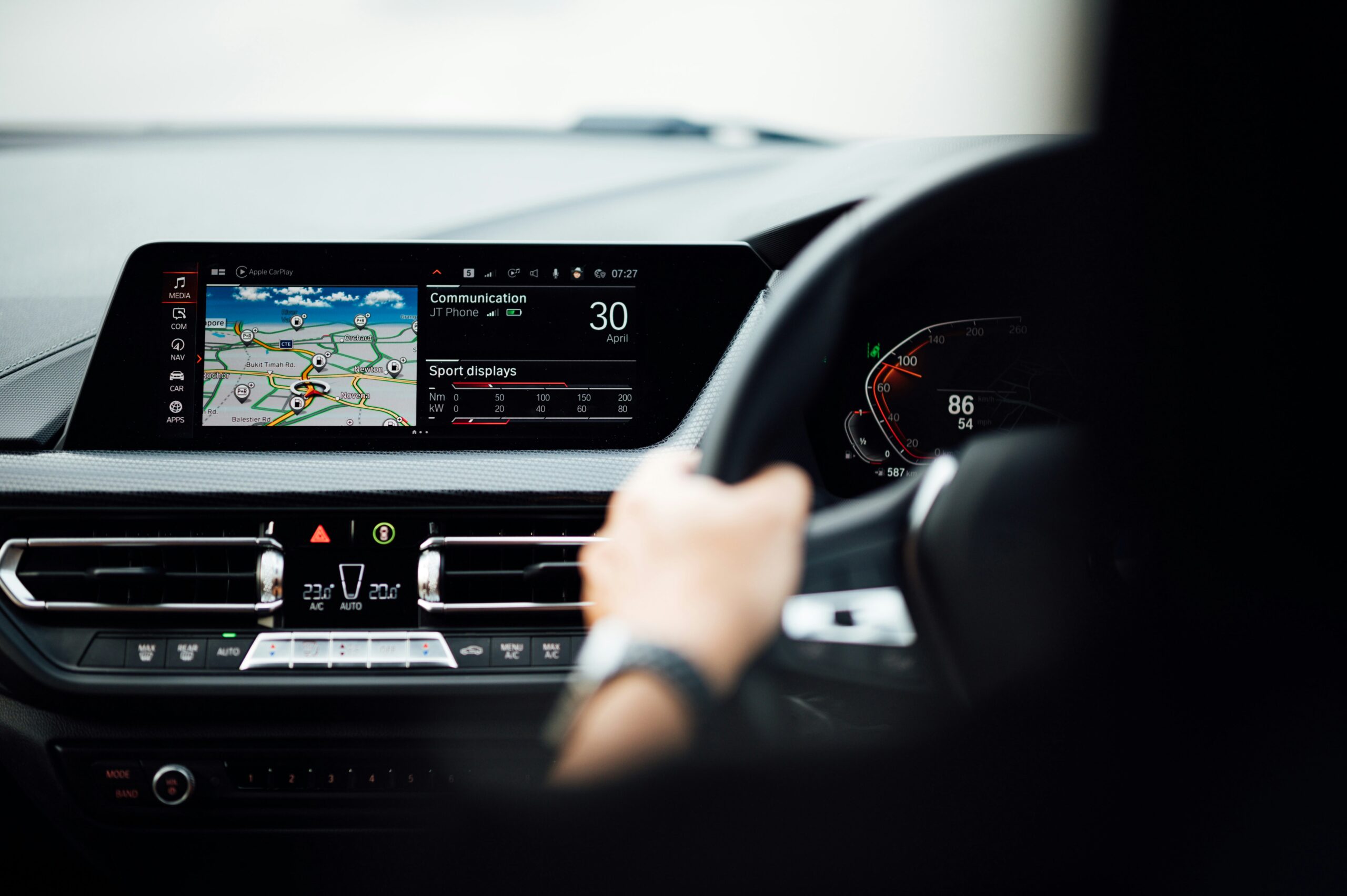
- Turn-by-turn navigation
- Traffic rerouting
- Emergency assistance
- Theft recovery
Location data is often stored temporarily and transmitted to cloud servers to improve routing accuracy. When combined with timestamps, it can reveal travel patterns, commute habits, and frequently visited places.
2. Driving behavior and vehicle usage data
Connected car technology tracks how a vehicle is driven. This includes:
- Speed patterns
- Acceleration and braking behavior
- Steering inputs
- Trip duration and frequency
This data helps manufacturers improve safety systems and software tuning. It also feeds directly into advanced driver-assistance systems, which rely on behavioral inputs to refine performance. This connection is especially important when understanding how car safety technology and ADAS features actually work in real driving, where system calibration depends on aggregated driver behavior data.
3. Vehicle diagnostics and health data
Modern cars continuously monitor their own mechanical and electronic health. Diagnostic data includes:
- Engine or motor performance
- Battery condition
- Brake wear
- Sensor status
This data enables predictive maintenance alerts and remote diagnostics, reducing breakdown risk. For electric vehicles, diagnostic data plays a critical role in managing efficiency and reliability.
4. Infotainment and media usage data
Infotainment systems collect data related to:
- Music and media preferences
- Voice commands
- App usage
- Paired devices
While often anonymized, this data helps improve user experience and interface design. It can also reveal personal preferences if improperly managed.
5. Mobile app and remote access data
Most connected vehicles integrate with smartphone apps that allow:
- Remote locking/unlocking
- Vehicle location tracking
- Climate control activation
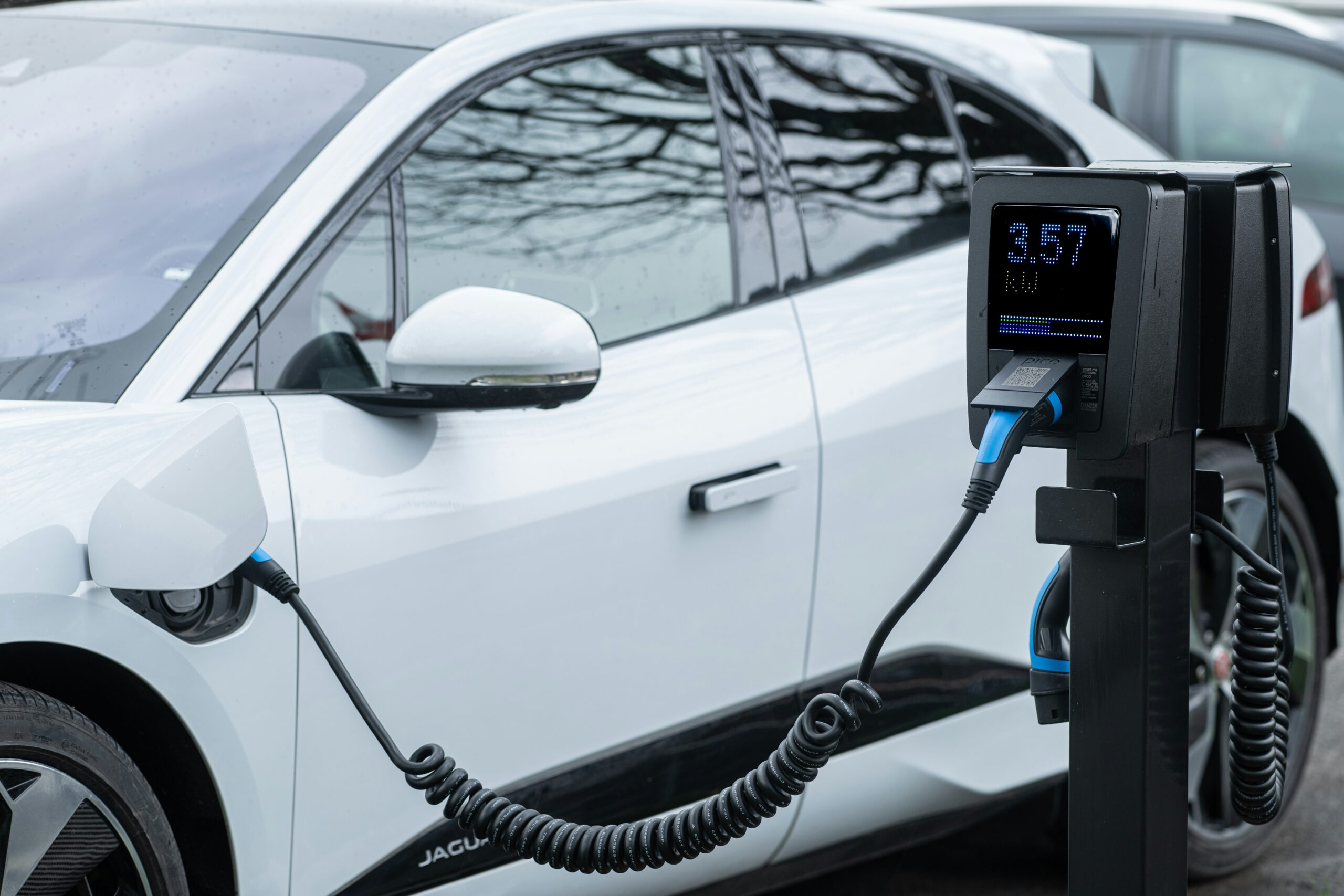
- Charging status monitoring
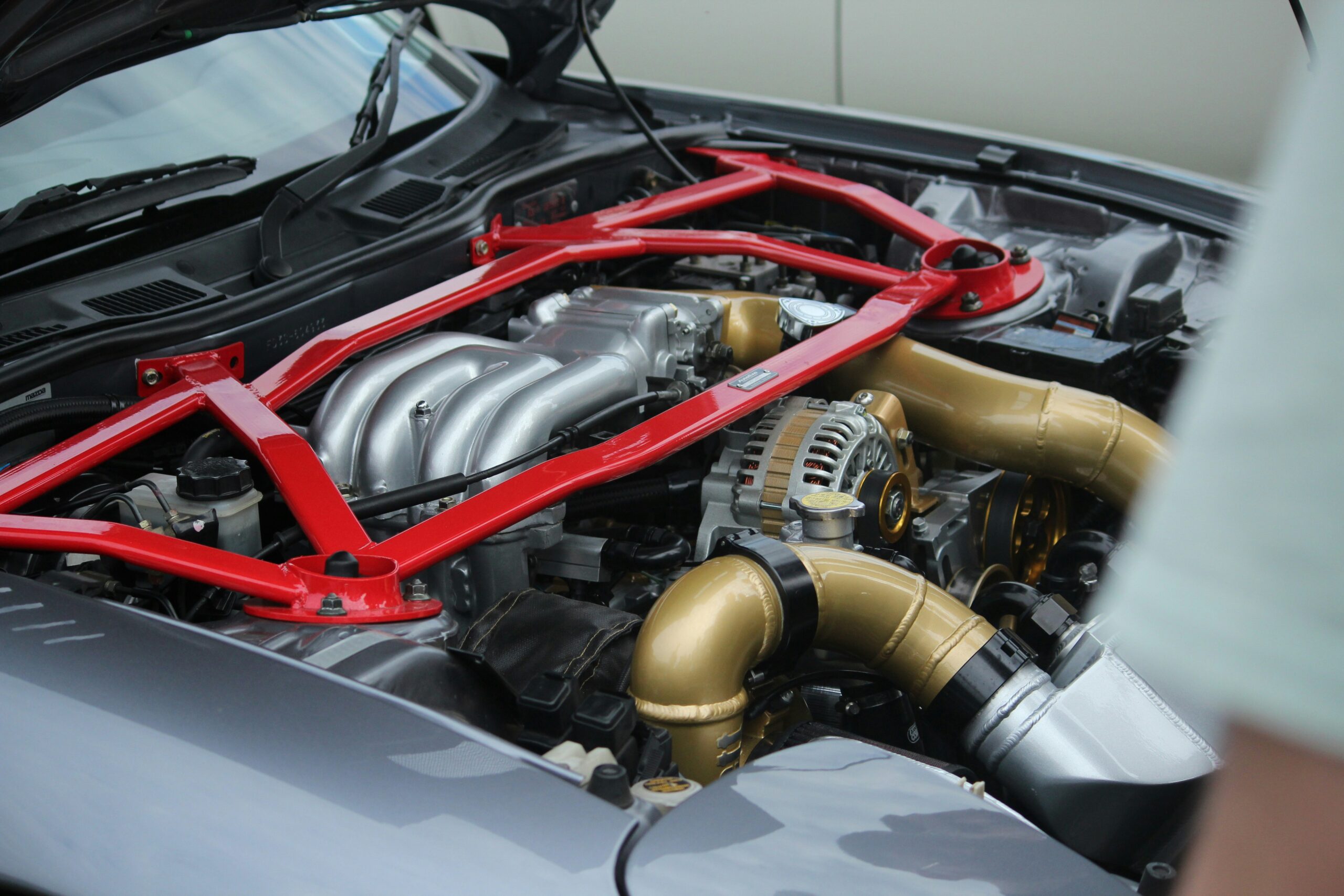
These apps rely on constant data exchange between the car and manufacturer servers. In vehicles equipped with modern car engines, this connected data enables real-time fuel consumption analysis, adaptive engine tuning, and predictive maintenance insights, helping drivers better understand how contemporary engine systems perform under real driving scenarios such as highway cruising, stop-and-go traffic, and cold starts.
6. Sensor and camera data
Advanced connected vehicles collect data from:
- Cameras
- Radar sensors
- Ultrasonic sensors
This data supports parking assistance, collision detection, and lane-keeping features. While most raw sensor data is processed locally, metadata may be transmitted to improve algorithms and mapping accuracy.
7. Voice assistant and microphone data
Voice-controlled systems capture audio input to process commands. Depending on manufacturer policies:
- Voice data may be stored temporarily
- Some recordings may be reviewed to improve accuracy
This area raises significant privacy concerns, especially when drivers are unaware of how long voice data is retained.
8. User profile and personalization data
Connected car technology enables driver profiles that store:
- Seat and mirror positions
- Climate preferences
- Navigation favorites
While convenient, these profiles create persistent data records linked to individual users.
9. Third-party data sharing
Some data is shared with:
- Navigation providers
- Emergency services
- Insurance partners (with consent)
Data sharing policies vary widely by manufacturer and region, making transparency critical.
Who owns connected car data?
Ownership of vehicle data remains a gray area. In most cases:
- Drivers generate the data
- Manufacturers control storage and processing
- Third parties may access limited datasets
According to analysis from the European Data Protection Supervisor (EDPS), connected cars generate large volumes of personal data—including location information, driving behavior, and vehicle telemetry—and processing this data under privacy regulations requires transparency, valid user consent, and strong technical and organizational controls to protect drivers.(https://www.edps.europa.eu/data-protection/our work/publications/techdispatch/techdispatch-3-connected-cars_en)
Privacy risks drivers should understand
While connected car technology delivers clear benefits, risks include:
- Unauthorized data access
- Data misuse or resale
- Lack of clear opt-out options
These risks increase as vehicles remain connected for longer lifespans and software updates expand functionality.
How drivers can protect their data
Practical steps include:
- Reviewing vehicle privacy settings
- Limiting unnecessary data sharing
- Updating vehicle software regularly
- Understanding app permissions
Awareness is the most effective defense against misuse.
Key Takeaway: Connected convenience comes with responsibility
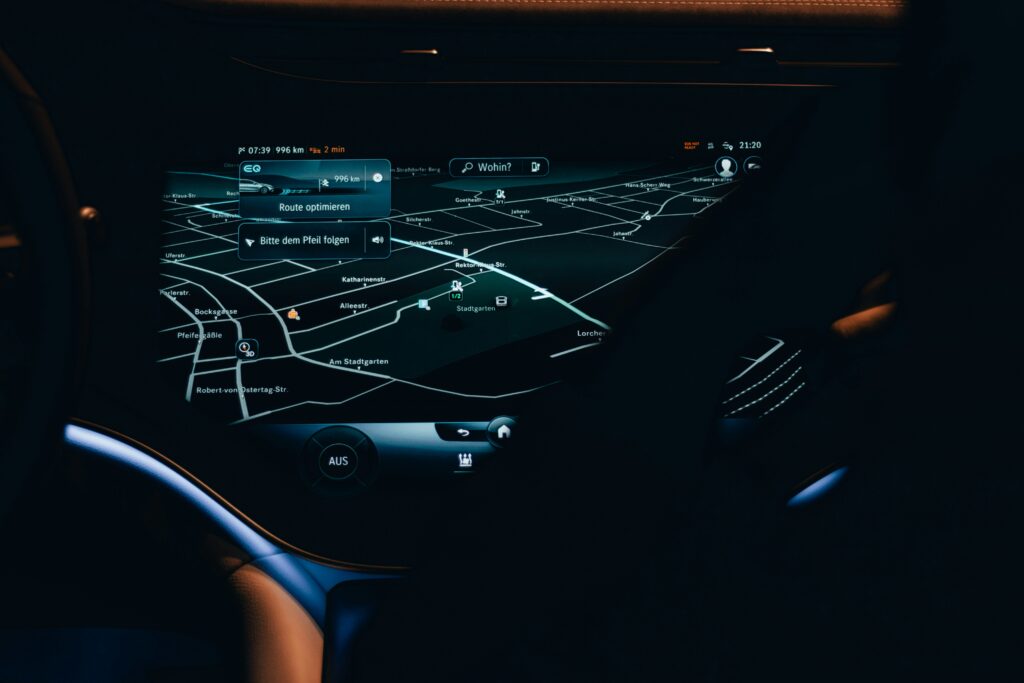
Connected car technology transforms vehicles into intelligent, responsive machines — but it also turns them into powerful data collectors. The benefits are real, from safety improvements to convenience, yet privacy awareness must grow alongside connectivity.
Drivers who understand what data their cars share are better equipped to balance innovation with control.