EV Battery Degradation Explained: 7 Critical Factors That Matter
EV battery degradation is one of the most misunderstood aspects of electric vehicle ownership. While many buyers fear sudden battery failure, the reality is far more controlled, predictable, and technologically managed than most people realize.
This in-depth guide explains EV battery degradation using real ownership scenarios, modern battery engineering, and long-term usage data. The goal is simple: remove confusion and replace it with clarity.
What EV Battery Degradation Actually Means
EV battery degradation refers to the gradual and irreversible reduction of a battery’s maximum energy storage capacity. Over time, lithium-ion cells undergo chemical aging that slightly reduces how much charge they can hold.
This process does not mean batteries suddenly stop working. Instead, it results in slow, incremental range reduction that typically becomes noticeable only after several years of use.
Modern electric vehicles are engineered with this reality in mind, using software and hardware systems specifically designed to manage degradation.
Why EV Battery Degradation Matters in Real Ownership
Understanding EV battery degradation directly affects:
- Long-term driving range expectations
- Charging habits and daily usability
- Vehicle resale value
- Overall cost of ownership
This is why battery health is discussed alongside real-world efficiency in long-term comparisons such as electric cars vs petrol cars for ownership value, where degradation replaces mechanical wear as the key aging factor.
1. Charging Habits and EV Battery Degradation
Charging behavior is one of the most influential factors in EV battery degradation.
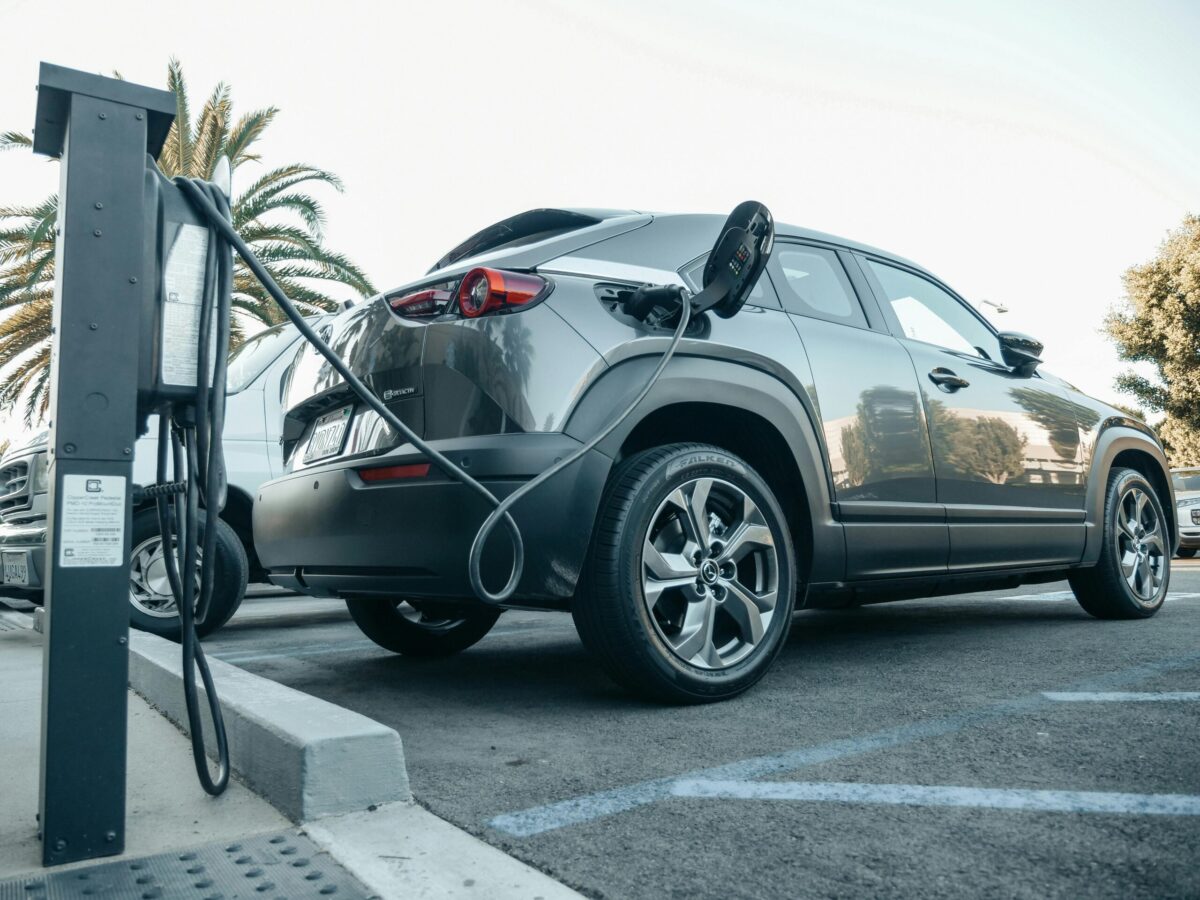
Regularly charging to 100% increases internal cell stress, especially when combined with heat. For daily use, most manufacturers recommend keeping charge levels between 20% and 80%.
Modern EVs allow drivers to set charging limits, ensuring optimal battery health without sacrificing convenience. Owners who follow these guidelines experience noticeably slower degradation over time.
2. Fast Charging Frequency and Battery Wear
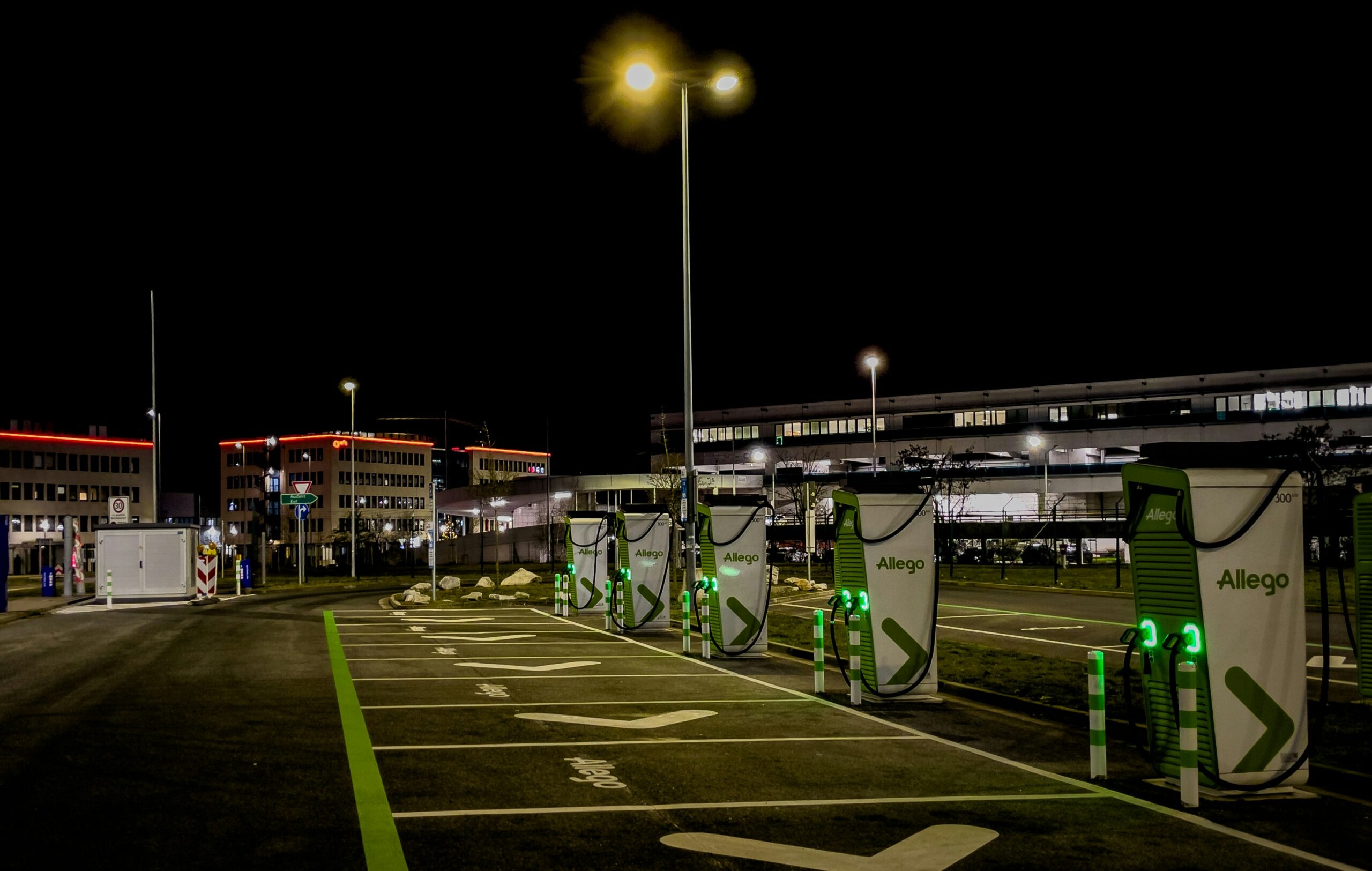
DC fast charging delivers large amounts of power in a short time. While this is essential for long trips, frequent reliance on fast chargers increases heat buildup, which contributes to EV battery degradation.
Occasional fast charging is completely safe. However, drivers who depend on fast charging daily may see slightly higher long-term capacity loss compared to those using slower AC charging at home.
Battery thermal management systems reduce this effect, but charging moderation remains important.
3. Temperature Exposure and Battery Aging
Temperature is a critical environmental factor in EV battery degradation.
- High heat accelerates chemical reactions inside battery cells
- Extreme cold temporarily reduces range but rarely causes permanent damage
Modern electric vehicles use liquid-cooled battery systems that actively regulate temperature. This is one reason newer EVs maintain battery health far better than early-generation models.
4. Depth of Discharge Cycles
Repeatedly draining a battery close to zero places additional stress on its internal structure. Shallow discharge cycles—using smaller portions of total capacity—reduce cumulative wear.
This principle is automatically managed by modern EV software, which prevents deep discharge even when the dashboard shows “0%,” preserving battery longevity without user intervention.
5. Battery Chemistry and Cell Design
Not all EV batteries age the same way.
Different chemistries affect EV battery degradation rates:
- Lithium Iron Phosphate (LFP): longer lifespan, lower degradation
- Nickel Manganese Cobalt (NMC): higher energy density, slightly faster aging
Manufacturers choose chemistry based on cost, performance goals, and longevity expectations, which is why degradation rates vary across vehicle models.
6. Battery Management Systems and Software Control
Battery management systems (BMS) play a central role in controlling EV battery degradation.
These systems:
- Balance voltage across cells
- Control charging speed
- Regulate temperature
- Prevent overcharging and deep discharge
According to long-term electric vehicle data published by the International Energy Agency, advancements in battery management have significantly extended average EV battery lifespan over the past decade:
https://www.iea.org/reports/global-ev-outlook-2024
Software updates can further optimize battery performance, making EVs uniquely capable of improving longevity over time.
7. Driving Style and Real-World Usage Patterns
Driving behavior influences EV battery degradation more than many owners expect.
Aggressive acceleration, sustained high-speed driving, and heavy loads increase thermal and electrical stress. In contrast, smooth acceleration and effective regenerative braking help stabilize battery conditions.
This relationship between efficiency and battery stress is also highlighted in detailed breakdowns of real-world electric vehicle performance factors, where driving style directly impacts long-term reliability.
Long-Term Reality: How Long Do EV Batteries Actually Last?
Most manufacturers warranty EV batteries for 8 years or 160,000 km, guaranteeing at least 70% capacity retention.
Real-world data shows many electric vehicles exceed these expectations, maintaining usable range well beyond warranty limits. Battery replacement is rare and far less common than engine or transmission failures in petrol vehicles.
Key Takeaways: The Real Truth About EV Battery Degradation
- EV battery degradation is slow and predictable
- Modern EVs actively manage battery aging
- Charging habits significantly affect long-term health
- Extreme heat matters more than cold
- Most owners will never need a battery replacement
Understanding EV battery degradation transforms fear into informed ownership and confirms why electric vehicles are built for long-term use.