EV Charging Infrastructure Explained: 7 Real-World Challenges
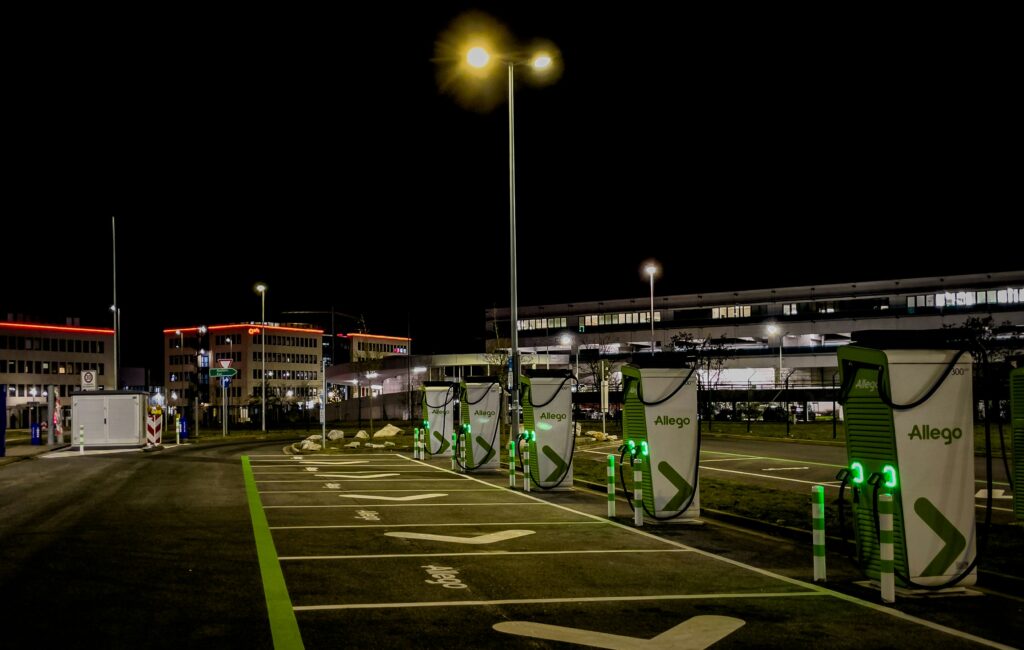
EV charging infrastructure has become one of the most decisive factors in determining whether electric vehicles can realistically replace internal combustion vehicles at scale. While battery range and vehicle efficiency have improved rapidly, charging access, reliability, and consistency still define everyday ownership experience.
This article explains EV charging infrastructure from a real-world perspective, focusing on the challenges drivers actually face rather than theoretical future projections.
What EV Charging Infrastructure Really Includes
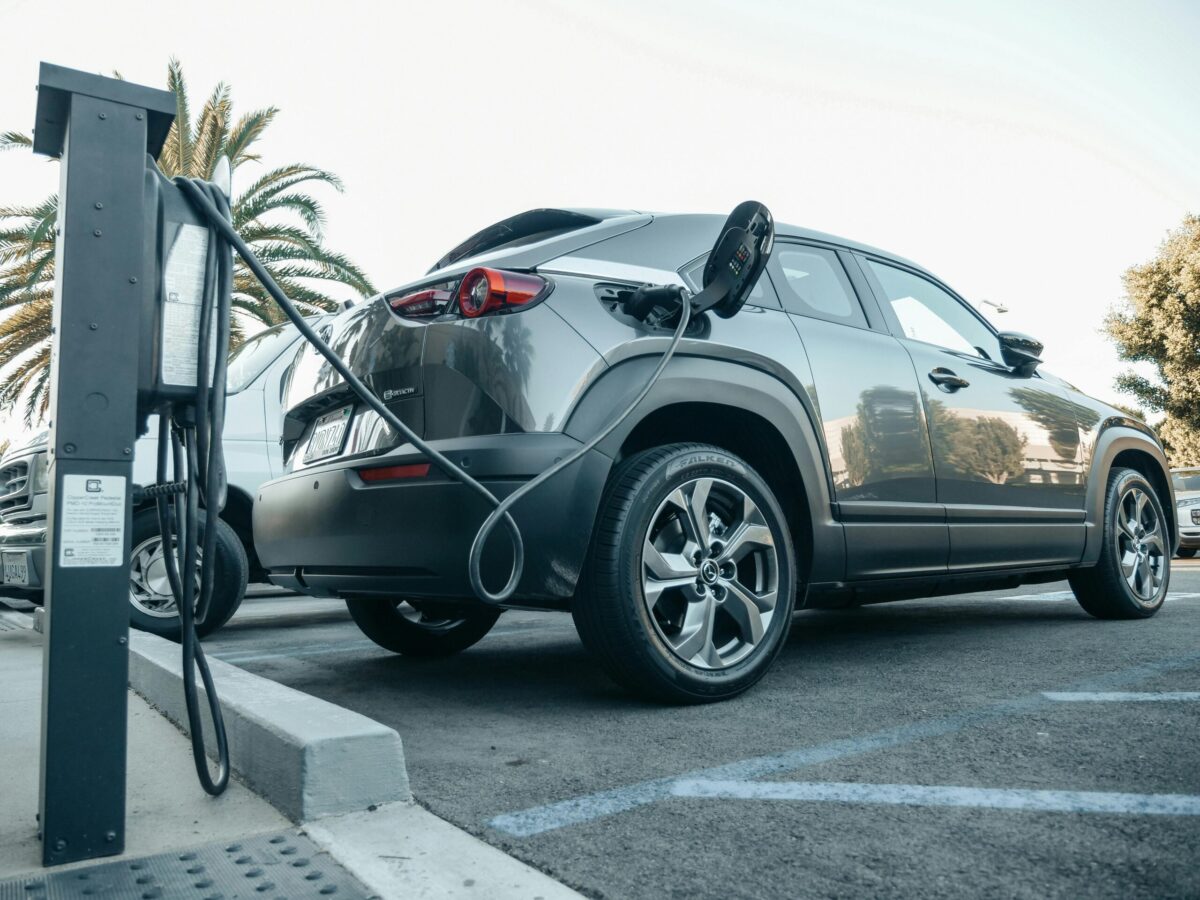
EV charging infrastructure refers to the entire ecosystem that enables electric vehicles to recharge. This includes home chargers, public AC charging points, DC fast-charging stations, grid connections, energy distribution hardware, and the software platforms that manage authentication and billing.
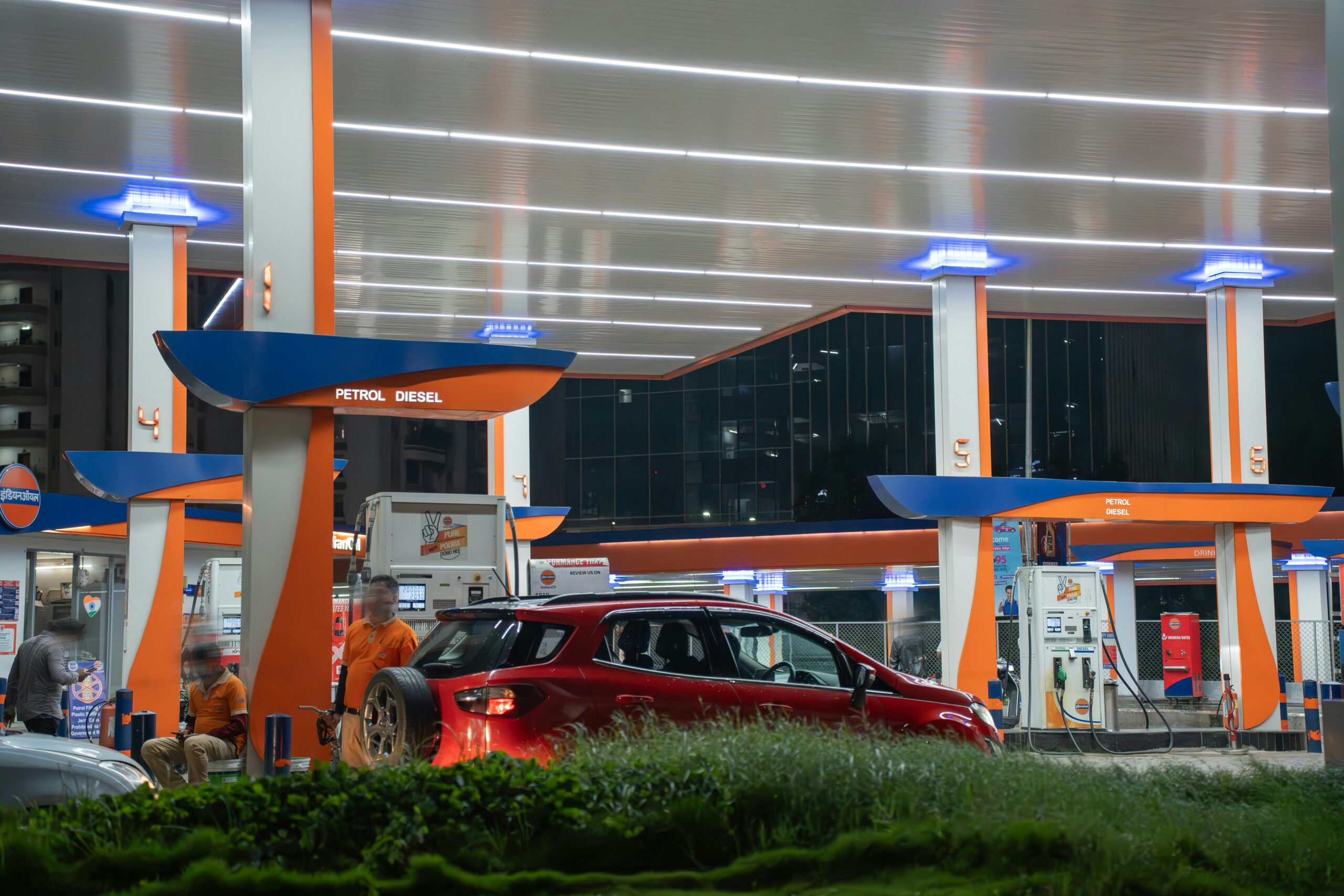
Unlike fuel stations, EV charging systems depend heavily on electrical grid capacity, urban planning policies, and long-term infrastructure investment, making rapid expansion far more complex.
Why EV Charging Infrastructure Matters More Than Battery Range
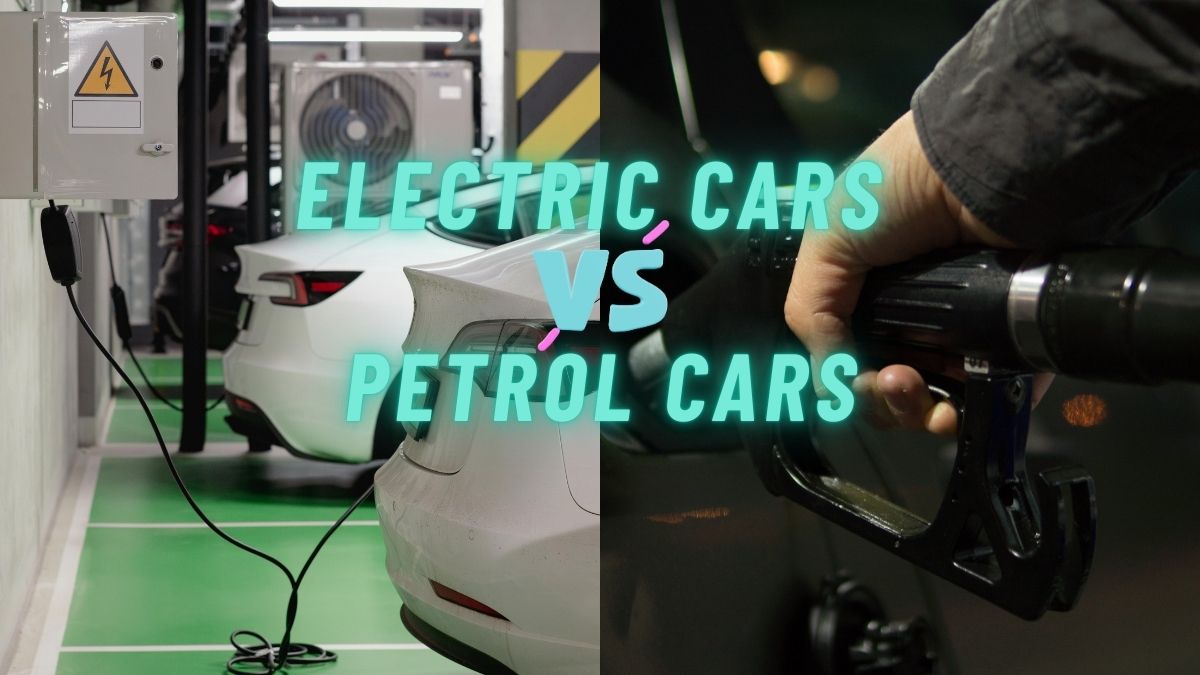
A vehicle with long driving range is still limited if EV charging infrastructure is unreliable or inaccessible. Drivers consistently prioritize predictable charging access over theoretical maximum range, a concern that appears repeatedly in long-term ownership discussions such as electric cars vs petrol cars for ownership practicality, where refueling convenience remains a deciding factor despite improvements in battery technology.
1. Uneven Charging Availability
One of the most visible weaknesses in EV charging infrastructure is uneven geographic distribution. Urban areas typically have dense charger networks, while highways, suburban regions, and rural locations often remain underdeveloped.
This imbalance increases travel uncertainty and slows electric vehicle adoption outside major cities.
2. Charging Speed Limitations
Charging speed varies widely depending on charger type and power delivery.
AC chargers are suitable for overnight charging but impractical for long-distance travel. DC fast chargers reduce charging time but place significant demand on local electrical grids.
Inconsistent charging speeds continue to influence trust in EV charging infrastructure, especially for drivers without access to private charging.
3. Grid Capacity and Power Demand
Modern EV charging infrastructure places heavy loads on electrical grids, particularly when multiple fast chargers operate simultaneously. Many power grids were not designed to support high-power vehicle charging, requiring upgrades such as transformers, substations, and intelligent load-balancing systems—an issue closely connected with broader electric vehicle performance factors, where energy delivery reliability becomes as critical as vehicle efficiency.
4. Reliability and Maintenance Issues
A charger that exists but does not function reliably undermines confidence in EV charging infrastructure.
Common problems include broken connectors, outdated software, slow authentication systems, and payment failures. Even limited downtime significantly reduces effective charger availability.
Regular maintenance and system monitoring are essential for building driver trust.
5. Charging Costs and Pricing Transparency
Charging costs vary depending on location, provider, charging speed, and time of use.
Inconsistent pricing structures make it difficult for drivers to predict operating costs, reducing confidence compared to conventional fuel pricing. Transparent and standardized pricing improves adoption.
6. Standardization and Compatibility Challenges
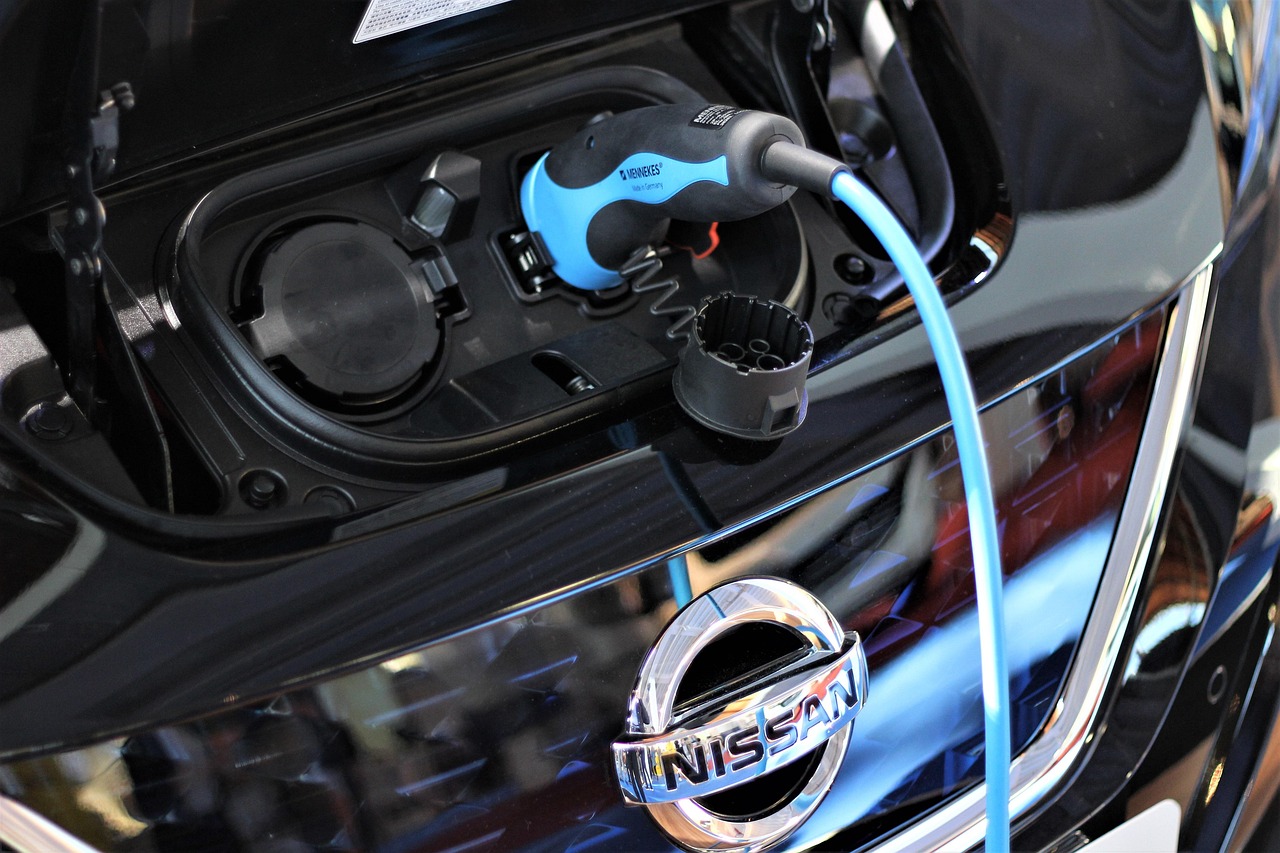
Despite progress, EV charging infrastructure still faces compatibility issues involving connectors, charging protocols, and access platforms.
Drivers may encounter stations incompatible with their vehicles or restricted by specific apps. Unified standards reduce friction and simplify charging across regions. According to the International Energy Agency, coordinated planning and harmonized charging standards are essential for scaling electric vehicle infrastructure globally:
https://www.iea.org/reports/global-ev-outlook-2024
7. Urban Planning and Space Constraints
Expanding EV charging infrastructure in dense urban environments introduces unique challenges.
Limited parking availability, zoning restrictions, and property ownership complexities slow charger deployment. Apartment residents are particularly affected due to limited access to private charging.
Urban planning must evolve alongside increasing EV adoption.
Long-Term Outlook for EV Charging Infrastructure
Despite present challenges, EV charging infrastructure continues to expand rapidly. Governments, utilities, and private companies are investing in fast-charging corridors, grid modernization, and renewable-powered charging networks.
As these systems mature, charging reliability and accessibility are expected to approach the convenience of traditional refueling.
Key Takeaways:
- Availability matters more than charger count
- Reliability defines real-world usability
- Grid readiness limits expansion speed
- Standardization reduces user friction
- Infrastructure growth must match EV adoption
EV charging infrastructure is a system-level challenge that requires coordinated technical and policy solutions.