7 Factors That Define Electric Vehicle Performance in Real Life
Electric vehicles (EVs) are often judged solely by headline numbers such as battery size, range, or acceleration figures. While these numbers provide an initial benchmark, they rarely reflect how an EV performs in day-to-day driving. Real-world performance depends on multiple systems interacting together under varying conditions such as traffic, terrain, and climate.
Understanding EV performance is essential for drivers who want a vehicle that is reliable, efficient, and enjoyable to drive beyond marketing brochures. The following seven factors provide a comprehensive, real-life view of what truly defines electric vehicle performance.
1. Battery Efficiency: Beyond Capacity

Battery capacity is important, but efficiency is what determines how far you can actually drive. Two vehicles with the same battery may have drastically different range and consistency.
Real-life considerations:
- Energy lost in acceleration and regenerative braking
- Efficiency drops in extreme temperatures
- How battery management systems optimize energy for daily commuting
Example: An EV with 60 kWh may only achieve 280 km in city traffic, while another efficiently managed 60 kWh battery reaches 320 km under the same conditions. For more on energy efficiency, see electric car battery benchmarks.
2. Electric Motor Behavior Shapes Driving Experience
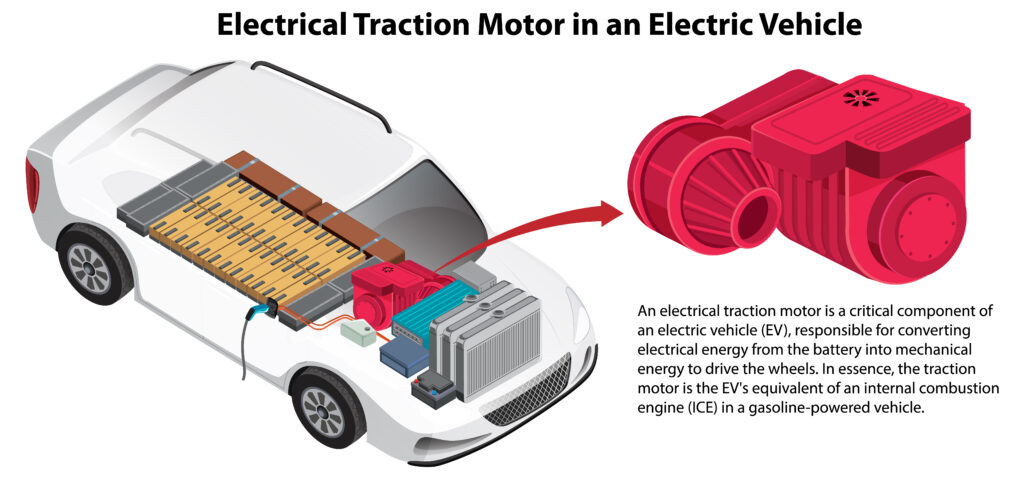
Unlike combustion engines, electric motors deliver torque instantly. However, not all motors behave the same way in daily use.
Key performance elements:
- Torque response at low speeds for city driving
- Power consistency on highways for overtaking
- Heat tolerance during long trips or repeated acceleration
Real-life scenario: Two EVs may have the same motor size, but the one with better motor management delivers smoother starts at traffic lights and more stable acceleration on inclines.
Internal link suggestion: For insights on EV battery efficiency affecting motor output, see our post on Laptop & Mobile hardware efficiency
3. Vehicle Weight and Structural Balance
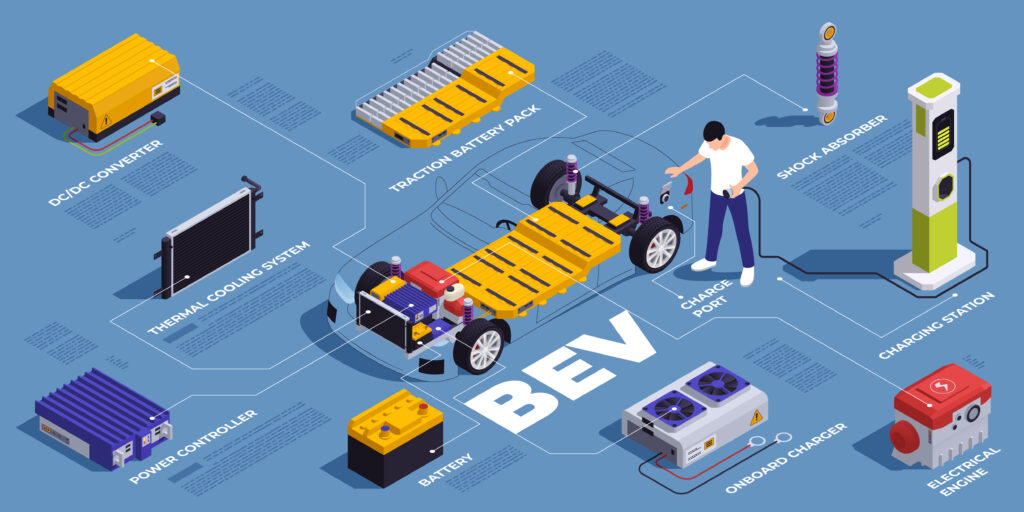
EVs are heavier due to batteries, but weight distribution and chassis design matter more than total weight. Proper balance affects both efficiency and control.
Effects in everyday driving:
- Heavier vehicles may consume more energy in stop-and-go traffic
- Poor weight distribution can reduce stability during cornering
- Optimized chassis improves ride comfort over bumps
Observation: Lightweight materials like aluminum or reinforced composites can maintain safety while reducing energy consumption, giving better real-world EV performance. Related reading: Smart tools & AI-driven automotive design.
4. Aerodynamics and Rolling Resistance
At city speeds, weight dominates efficiency. At highway speeds, aerodynamics become critical. Poor aerodynamics can reduce range by 10–15% on long drives.
Real-life examples:
- Streamlined EVs maintain consistent highway speed with less energy
- Vehicles with flat underbodies and low drag coefficients have quieter cabins and less wind resistance
- Low rolling-resistance tires further improve efficiency without compromising handling
Tip: Choosing an EV with aerodynamically optimized design can enhance range by up to 20% in long trips. For a comparison, check EV aerodynamic performance ratings.
5. Thermal Management Protects Performance Consistency
Temperature management is a crucial, often overlooked factor. EV components perform best within specific temperature ranges.
Practical impact:
- Batteries overheat during fast charging or prolonged high-speed driving
- Cold climates reduce battery efficiency if heating systems are inadequate
- Motors need cooling for sustained acceleration
Observation: EVs with advanced liquid-cooled batteries or active thermal systems maintain range, responsiveness, and battery longevity, even in extreme weather conditions.
6. Software Optimization and Adaptive Driving Modes

Software defines how an EV responds to driving conditions. Well-tuned software maximizes efficiency without compromising performance.
Key elements:
- Adaptive regenerative braking for energy recovery
- Driving modes to balance comfort, efficiency, and sportiness
- Predictive energy management based on navigation and traffic
Case study: Two EVs with identical motors and batteries can feel completely different; one may conserve energy better on hilly roads, while the other consumes more unnecessarily due to static software settings. For related tech insights, see our AI & smart tools in automotive systems.
7. Real-World Driving Conditions and Usage Patterns

EV performance is not static; it depends heavily on real-world usage. Traffic patterns, road conditions, and climate all influence efficiency and reliability.
Practical considerations:
- Frequent stop-start traffic reduces efficiency
- Driving on steep inclines increases energy consumption
- Cold or hot climates affect battery output and motor efficiency
Example: Adaptive systems that adjust torque distribution, regenerative braking, and climate control help maintain consistent EV performance across varying conditions, ensuring a predictable and smooth driving experience.
Related post: Mobile & gadgets battery efficiency tips.
Conclusion
True EV performance is a combination of battery efficiency, motor design, aerodynamics, software intelligence, thermal management, and real-world adaptability. Buyers who focus solely on advertised range or acceleration numbers often miss the bigger picture.
Understanding these seven factors allows drivers to choose an EV that is efficient, reliable, and enjoyable in everyday life, not just in ideal testing conditions. Vehicles that balance hardware, software, and adaptability deliver the most consistent and satisfying driving experience.
For further detailed benchmarks, see EV performance guides.