Ultimate Guide to How Electric Vehicle Batteries Work: Charging, Degradation, and Lifespan Explained
“Electric vehicle batteries are the foundation of every electric car on the road today. From driving range and charging speed to long-term ownership cost, everything about an EV depends on how its battery is designed, managed, and maintained”.
Unlike petrol engines—which rely on combustion—electric vehicle batteries store and release energy electrochemically, making EVs fundamentally different machines. This article explains the real science, real limitations, and real expectations of EV batteries, without hype, brand bias, or technical overload.
What Are Electric Vehicle Batteries and How Are They Built
Electric vehicle batteries are large-scale lithium-ion energy storage systems, engineered for durability, efficiency, and safety over many years of use.
A typical EV battery pack consists of:
- Lithium-ion cells (the smallest energy units)
- Battery modules (groups of cells)
- Battery Management System (BMS) controlling voltage, temperature, and safety
- Thermal management system for cooling and heating
Unlike consumer electronics, electric vehicle batteries are modular and redundant, meaning a single cell failure does not compromise the entire system.
How Electric Vehicle Batteries Store and Release Energy
Electric vehicle batteries operate using controlled ion movement between two electrodes.
Energy Flow Explained Simply
- During driving, lithium ions move from anode to cathode
- This movement generates electrical current for the motor
- During charging, the process reverses
This system allows EVs to deliver instant torque, smooth acceleration, and high energy efficiency, which is why battery performance is directly linked to real-world driving behavior, as explained in 7 Factors That Define Electric Vehicle Performance in Real Life.
How Charging Works in Electric Vehicle Batteries
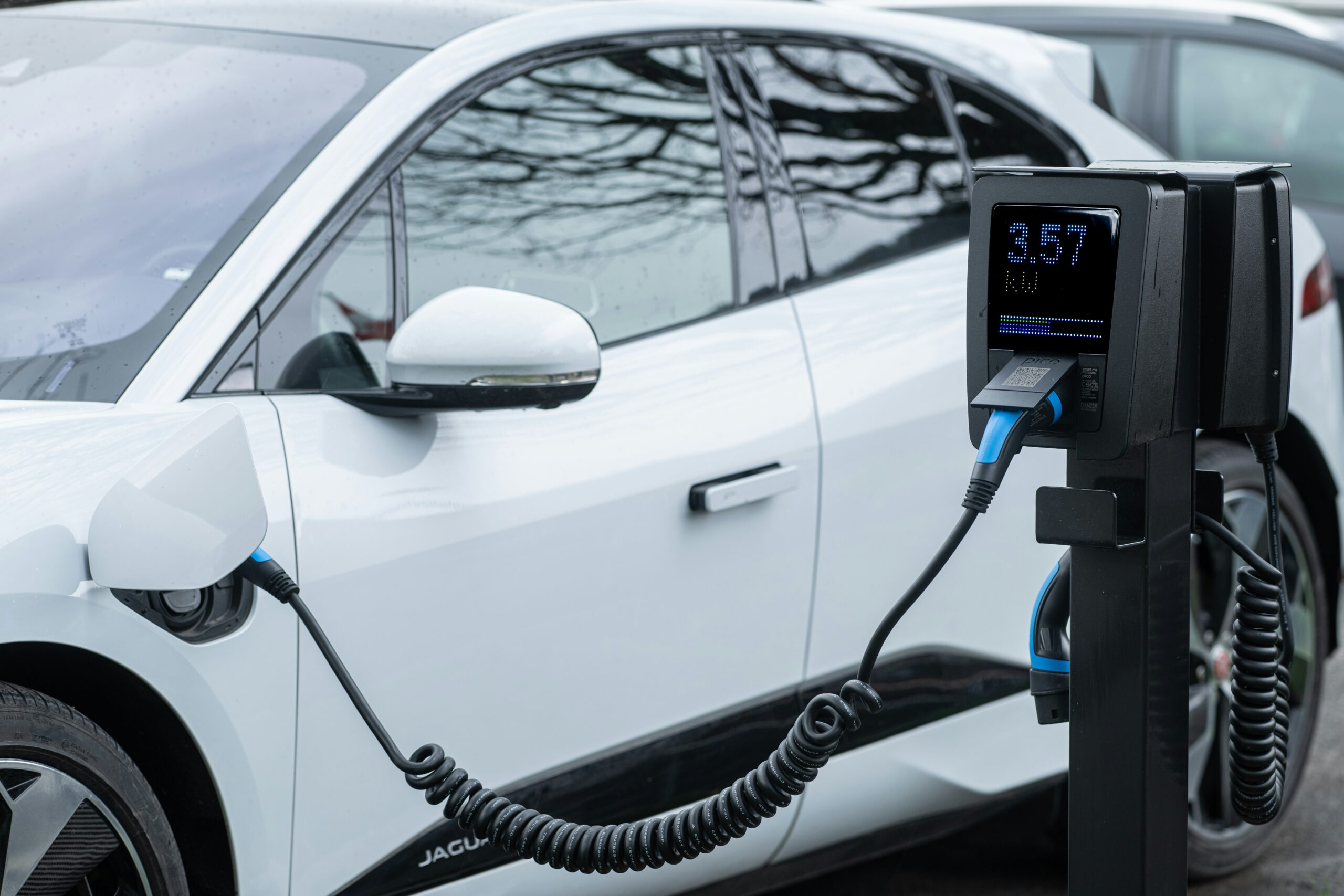
Charging an EV is not just power input—it is precise energy regulation.
AC Charging (Home and Workplace)
- Slower but gentler on batteries
- Uses the vehicle’s onboard charger
- Ideal for daily charging routines
- Helps preserve battery health long-term
DC Fast Charging
- Direct high-voltage DC power
- Enables rapid charging on highways
- Generates more heat inside the battery
- Frequent use increases chemical stress
Key reality:
Occasional fast charging is safe, but relying on it daily accelerates battery wear.
Battery Degradation: Why Capacity Reduces Over Time
Battery degradation is normal chemical aging, not a defect.
Main Causes of Degradation
- Charge–discharge cycles
- High operating temperatures
- Prolonged 100% or 0% charge states
- Repeated high-speed DC charging
What Owners Experience
- Gradual range reduction
- No sudden battery failure
- Stable power output even with capacity loss
Most modern electric vehicle batteries lose only 8–12% capacity after 8 years, making degradation far less dramatic than public perception suggests.
Battery Lifespan: How Long Do Electric Vehicle Batteries Last
Electric vehicle batteries are designed to last longer than most owners keep their cars.
Realistic Lifespan Metrics
- 8–10 year manufacturer warranty
- 300,000–500,000 km potential lifespan
- 1,500–2,500 full charge cycles
In many cases, EV batteries outlast petrol engines in urban driving, a key reason discussed in Electric Cars vs Petrol Cars: Which Is Better for Long-Term Ownership in 2026?
Thermal Management: The Silent Protector of EV Batteries
Temperature control is one of the most important—and least discussed—factors.
Why It Matters
- Prevents overheating during fast charging
- Maintains performance in extreme climates
- Slows long-term chemical degradation
Modern EVs use liquid-cooled battery systems, which dramatically improve lifespan compared to older air-cooled designs.
Are Electric Vehicle Batteries Safe?
Yes. Modern EV batteries are engineered with multiple safety layers.
Built-In Safety Systems
- Battery Management System (BMS)
- Cell-level isolation
- Automatic shutdown during collisions
- Reinforced fire-resistant casings
According to long-term safety and performance data published by the International Energy Agency, modern electric vehicle battery systems show lower fire incident rates than conventional petrol vehicles when measured per vehicle sold. https://www.iea.org/reports/global-ev-outlook-2024
Key Takeaways:

- Electric vehicle batteries are engineered for long-term use, not short-term performance.
- Degradation is gradual, predictable, and manageable.
- Charging habits influence battery health more than charger speed.
- Most EV owners will never need a battery replacement.
- Modern EV batteries are safer and longer-lasting than common myths suggest.