How Modern Car Engines Work: 7 Key Mechanisms Explained Here
Modern car engines explained for real-world driving
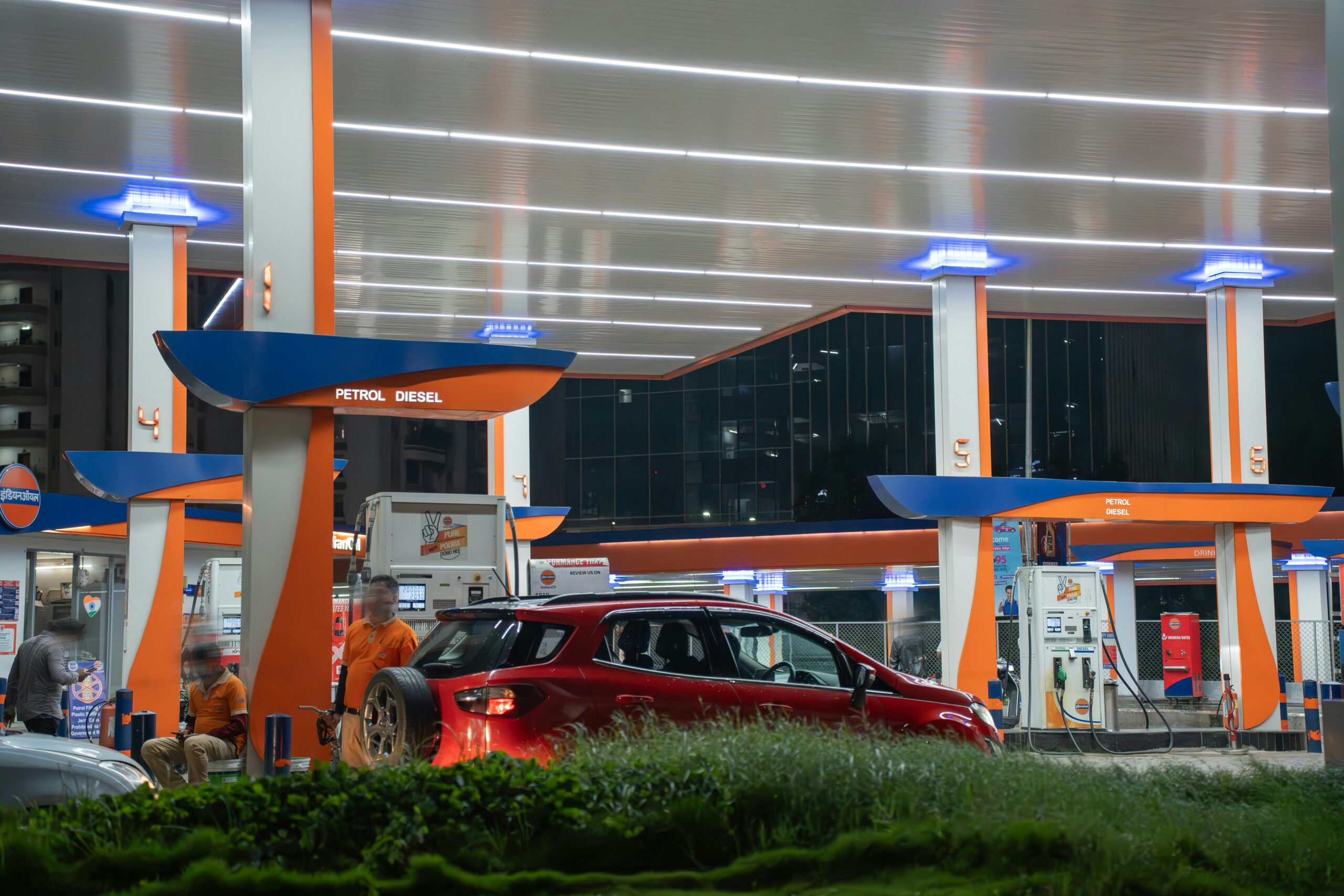
Modern car engines are still the primary source of mobility for millions of drivers worldwide. Even as electric vehicles gain popularity, petrol-powered cars continue to dominate highways, cities, and long-distance travel. Understanding how these engines work is essential for better maintenance decisions, fuel efficiency awareness, and long-term ownership planning.
Unlike older mechanical engines, modern designs rely on precise electronic control, advanced materials, and intelligent emission systems. This article explains how modern car engines work in seven critical mechanisms, using real-life driving context rather than textbook theory.
1. Combustion System: Turning Fuel Into Motion
The combustion system is the foundation of all modern car engines. It converts fuel energy into mechanical motion through controlled ignition inside engine cylinders.
Air enters the cylinder through intake valves and mixes with fuel delivered in precise quantities. A spark plug ignites this mixture, causing a controlled explosion that pushes the piston downward. This motion turns the crankshaft, ultimately driving the wheels.
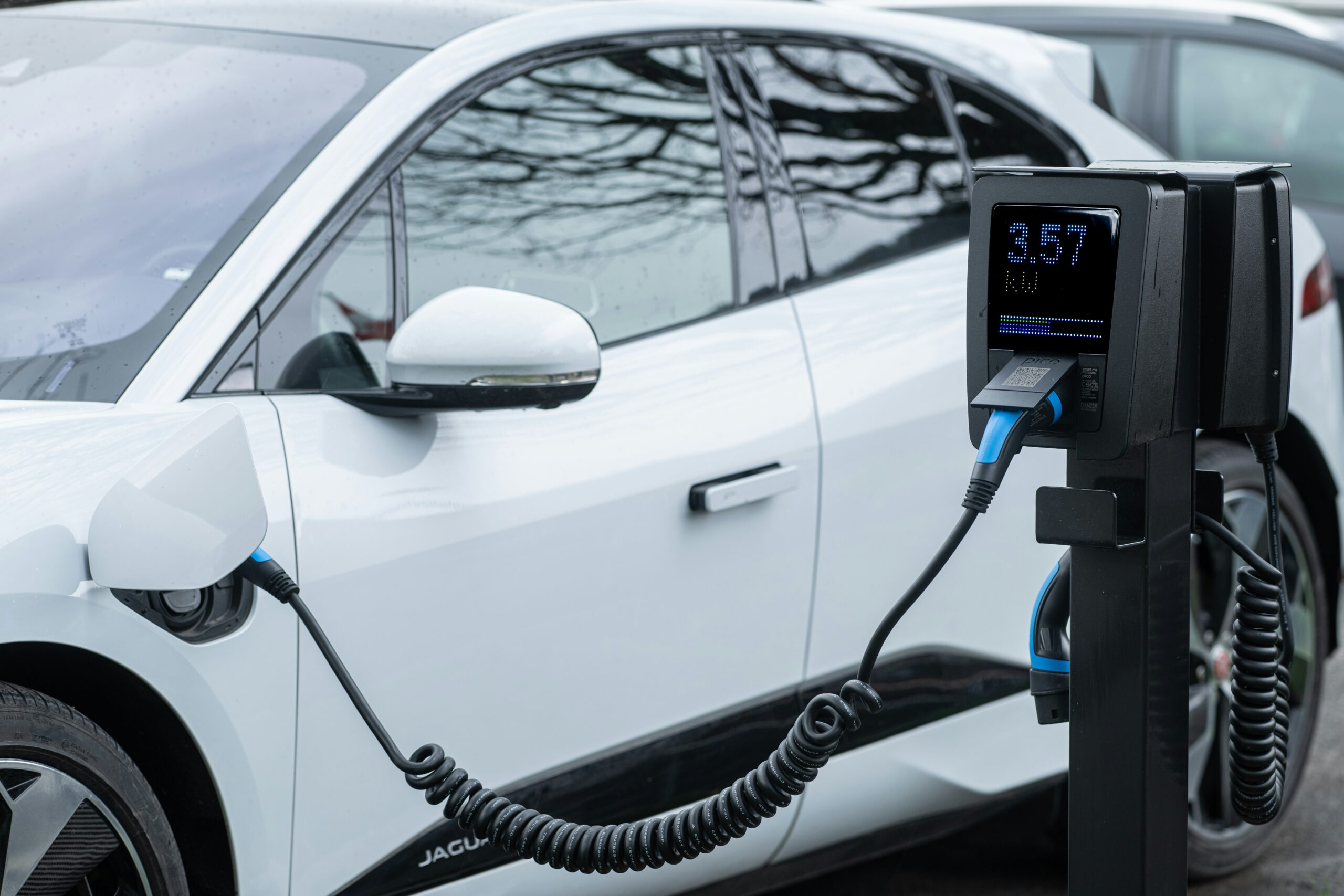
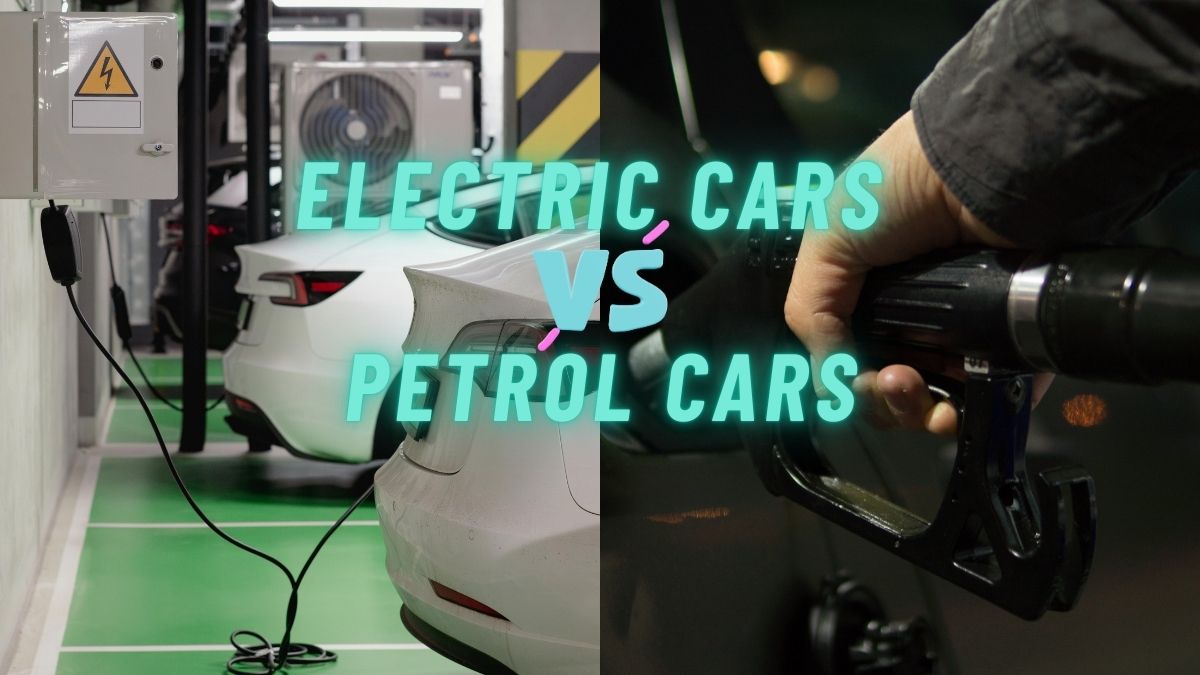
Modern combustion systems are far more efficient than older designs because ignition timing, fuel quantity, and airflow are constantly adjusted by onboard computers. This efficiency advantage plays a major role when comparing petrol vehicles with electric alternatives in long-term ownership scenarios, as discussed in Electric Cars vs Petrol Cars: Which Is Better for Long-Term Ownership in 2026?
2. Fuel Injection Technology
Carburetors have been completely replaced by electronic fuel injection systems in modern vehicles. These systems allow modern car engines to deliver fuel with millisecond-level accuracy.
Fuel injection systems rely on sensors that monitor throttle position, air pressure, engine temperature, and oxygen levels. The engine control unit processes this data and injects exactly the amount of fuel required for optimal combustion.
This precision improves fuel efficiency, reduces emissions, enhances cold starts, and ensures consistent performance across different driving conditions—from traffic congestion to highway cruising.
3. Turbocharging and Air Management
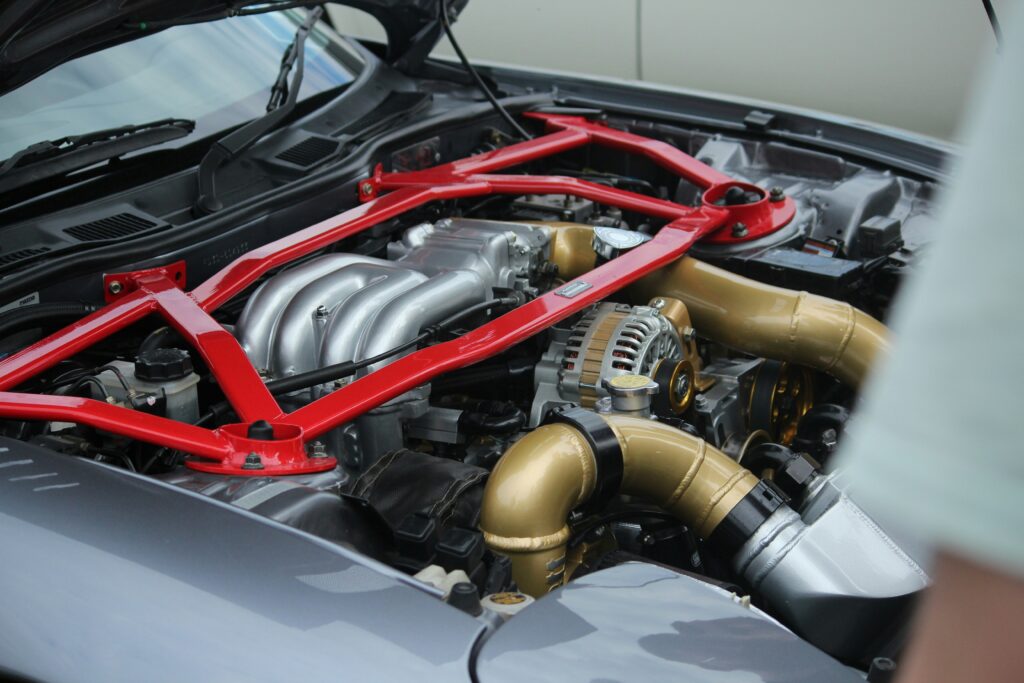
Turbocharging is one of the most important efficiency technologies in modern car engines. Instead of increasing engine size, manufacturers use turbochargers to force more air into the combustion chamber.
By compressing incoming air, turbochargers allow smaller engines to generate more power while consuming less fuel. This approach improves efficiency without sacrificing performance.
The same optimization philosophy is applied in electric vehicles, where energy delivery is optimized rather than simply increasing battery size, a concept explained in How Electric Vehicle Batteries Work: Charging, Degradation, and Lifespan.
4. Cooling Systems: Controlling Engine Temperature
Modern car engines operate at high temperatures to achieve maximum efficiency. Without proper cooling, engines would overheat quickly and suffer permanent damage.
Cooling systems circulate coolant through engine passages to absorb heat and transfer it to the radiator, where it is released into the air. Components such as water pumps, thermostats, and cooling fans ensure the engine remains within an optimal temperature range.
Effective cooling improves fuel efficiency, protects engine components, and significantly extends engine lifespan.
5. Lubrication System: Reducing Friction and Wear
Inside modern car engines, hundreds of metal components move at extremely high speeds. The lubrication system minimizes friction and prevents metal-to-metal contact.
Engine oil coats moving parts, reduces heat buildup, removes contaminants, and prevents corrosion. Modern engines rely heavily on synthetic oils designed to perform under extreme temperatures and extended service intervals.
Neglecting lubrication remains one of the fastest ways to shorten engine life, even in advanced modern vehicles.
6. Exhaust and Emission Control Systems
Emission control is a defining characteristic of modern car engines. Strict environmental regulations have driven the development of advanced exhaust treatment systems.
Catalytic converters, oxygen sensors, and exhaust gas recirculation systems work together to reduce harmful emissions such as carbon monoxide, nitrogen oxides, and unburnt hydrocarbons.
According to data published by the International Energy Agency, modern combustion engines equipped with advanced catalytic converters and exhaust treatment systems produce significantly lower pollutants than older internal combustion vehicles, helping reduce environmental impact during the transition to electric mobility (https://www.iea.org/reports/global-ev-outlook-2024).
7. Engine Control Unit (ECU): The Brain of Modern Car Engines
The ECU is the central intelligence behind modern car engines. It continuously analyzes data from dozens of sensors and adjusts engine operation in real time.
The ECU controls fuel injection timing, ignition timing, air-fuel ratios, and emission system behavior. Without this digital control, modern engines would not achieve today’s levels of efficiency, reliability, or regulatory compliance.
This software-driven optimization is one of the biggest reasons modern engines outperform older mechanical designs.
Why Modern Car Engines Still Matter in 2026
Despite the rapid growth of EVs, modern car engines remain relevant due to global fuel infrastructure, lower upfront costs, and ease of maintenance in many regions.
For long-distance travel, rural areas, and cost-sensitive markets, internal combustion engines continue to provide practical mobility solutions. Understanding how these engines work remains valuable for millions of drivers worldwide.
Key Takeaways:
- Modern car engines combine mechanical engineering with digital intelligence
- Combustion efficiency is controlled electronically, not mechanically
- Fuel injection and turbocharging maximize power with minimal fuel
- Cooling and lubrication protect long-term reliability
- Emission systems allow compliance with strict environmental standards
- Engine control software defines modern performance