Smart Home Technology Powered by AI: Practical Systems That Truly Matter
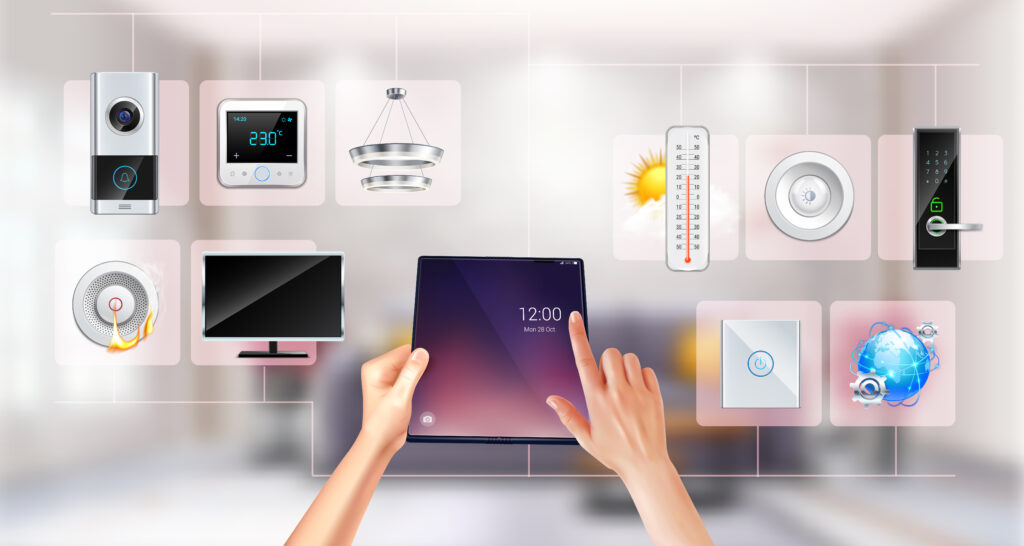
Smart home technology has existed for years, yet only recently has it begun to feel genuinely intelligent rather than merely programmable. The difference is artificial intelligence. When AI is integrated correctly, a smart home does more than respond to commands—it understands patterns, adapts to behavior, and improves decisions over time.
This article explains what AI-powered smart home technology actually does, which systems deliver meaningful value today, and where the line exists between true intelligence and simple automation.
AI vs Automation in Smart Homes: The Critical Difference
Many products marketed as “AI smart home devices” rely on rule-based automation, not intelligence. Automation follows predefined instructions. AI, by contrast, learns from data and adjusts behavior without being manually reprogrammed.
For example:
- A motion sensor that turns on lights is automation
- A lighting system that learns your daily routines, ambient preferences, and seasonal behavior is AI-driven intelligence
This distinction mirrors the broader difference explained in AI vs Smart Automation, where intelligence refers to decision-making under uncertainty, not just execution of commands.
Where AI Truly Adds Value in Smart Home Technology
Not every household system benefits equally from AI. The most impactful applications share one characteristic: continuous data feedback.
1. Intelligent Climate Control
AI-powered thermostats analyze:
- Occupancy patterns
- Weather forecasts
- Thermal efficiency of rooms
Instead of following static schedules, the system predicts comfort needs and balances energy consumption automatically. Over time, it refines decisions, reducing waste while maintaining comfort.
The intelligence lies not in temperature control itself, but in learning how your home behaves.
2. AI-Enhanced Home Security
Modern AI home security systems go beyond motion alerts. They use:
- Computer vision to distinguish people, animals, and objects
- Behavioral analysis to detect unusual activity
- Context awareness to reduce false alarms
Unlike basic sensors, AI-driven systems evaluate intent and anomalies, improving reliability and trust.
This aligns with internationally recognized definitions of AI systems as technologies that infer outcomes from input data to influence real environments, as outlined by the OECD’s AI framework. (https://oecd.ai/principles/)
3. Smart Energy Management
AI-powered smart homes analyze:
- Appliance usage cycles
- Peak energy pricing
- Solar generation and battery storage
Rather than simply turning devices on or off, AI systems optimize energy flow, shifting usage automatically to reduce cost and environmental impact.
This is where smart homes transition from convenience tools into intelligent infrastructure.
AI in Everyday Smart Devices: Invisible but Essential
AI in smart homes often works silently, embedded deep within systems users rarely think about.
Voice assistants, for example, no longer rely solely on wake-word detection. They now apply:
- Natural language understanding
- Context retention
- User preference modeling
These same AI foundations are already familiar to users through AI inside smartphones, where intelligence enhances cameras, battery life, and security without constant user involvement.
The key takeaway is simple: effective AI feels invisible. When users notice it constantly, the system usually isn’t intelligent—it’s intrusive.
What AI Smart Homes Still Cannot Do
Despite rapid advancement, AI-powered smart home technology has clear limits.
- It cannot reason like a human
- It cannot understand emotions or intent perfectly
- It cannot make ethical judgments
AI systems optimize within defined goals. They do not “think.” Understanding these boundaries prevents unrealistic expectations and builds long-term trust in the technology.
Privacy and Data Responsibility in AI Homes
AI-powered smart homes rely on continuous data collection, raising legitimate privacy concerns.
Responsible systems prioritize:
- On-device processing
- Minimal cloud dependency
- Transparent data controls
Homes that offer intelligence without sacrificing control will dominate long-term adoption. Trust is not a feature—it is a prerequisite.
Key Takeaways:
AI-powered smart home technology delivers real value only when intelligence replaces rigid automation. Systems that learn from behavior, adapt to context, and optimize decisions over time create homes that are not just connected, but responsive and efficient. The most successful AI smart homes operate quietly, respect privacy, and focus on meaningful outcomes rather than novelty.