AI Myths vs Reality: 8 Powerful Truths About Smart Technology
AI myths vs reality is one of the most misunderstood topics in modern technology. Artificial intelligence is often described using exaggerated claims, futuristic fears, or unrealistic expectations. As AI becomes more visible in smartphones, smart homes, and digital services, separating…
TechularZtrixEDITORIAL DESK · UPDATED
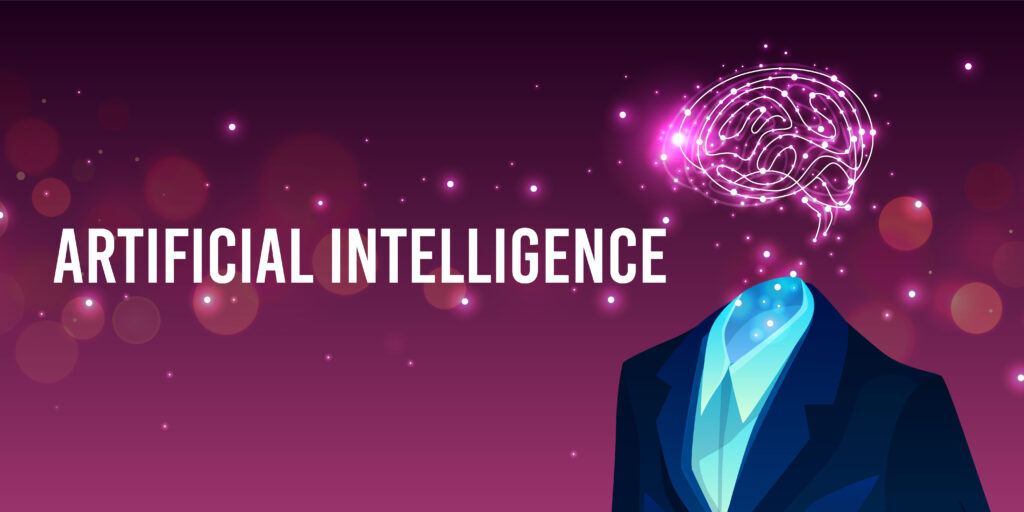
Artificial intelligence vector illustration of human brain in suit and digital mind. Future innovation technology of android robot head and neuron network on ultraviolet background
ON THIS PAGE · 11 SECTIONS
AI myths vs reality is one of the most misunderstood topics in modern technology. Artificial intelligence is often described using exaggerated claims, futuristic fears, or unrealistic expectations. As AI becomes more visible in smartphones, smart homes, and digital services, separating what AI actually does from what people believe it does has become essential.
This article breaks down the most common misconceptions surrounding artificial intelligence and explains the reality behind how smart technology truly operates today.
AI Myths vs Reality in Smart Technology Explained Clearly
Many assumptions about AI come from marketing language or science fiction rather than real-world implementation. Below are eight clearly defined myths, followed by the reality behind each one.
Myth 1: AI Thinks Like a Human
Reality: AI does not think, reason, or understand. In the context of AI myths vs reality, this is the most common misunderstanding. AI systems identify patterns in data and generate outputs based on probability, not awareness or intention.
Even advanced systems rely entirely on mathematical models, not consciousness.
Myth 2: AI in Smart Devices Is Always Listening
Reality: Most smart devices operate using wake-word detection or local triggers. They are not constantly recording conversations. This myth persists because AI-powered assistants feel responsive, but responsiveness does not equal surveillance.
Understanding this distinction is critical when evaluating AI myths vs reality related to privacy.
Myth 3: AI and Automation Are the Same Thing
Reality: Automation follows fixed rules, while AI adapts based on data. In discussions about AI myths vs reality, these two concepts are often incorrectly merged.
AI systems adjust behavior when conditions change, whereas automation simply executes instructions.
Myth 4: AI Systems Store Personal Information
Reality: Most AI systems learn from aggregated usage patterns, not individual identities. Data is typically anonymized and processed at scale to improve performance rather than track people.
This reality is often overlooked when people discuss AI myths vs reality in consumer technology.
Myth 5: AI Is Completely Objective
Reality: AI reflects the data it is trained on. If training data contains gaps or bias, the output may reflect those limitations. This is not intent—it is a technical constraint.
Responsible AI design focuses on improving data quality and transparency.
Myth 6: AI Understands Language and Meaning
Reality: AI processes language statistically. It predicts word sequences based on learned relationships rather than understanding meaning or context the way humans do.
This explains why AI-generated content can sound fluent but still make factual or logical errors.
Myth 7: Smarter AI Requires More Data Collection
Reality: Effective AI does not require excessive data collection. Many modern systems rely on on-device processing, reducing privacy risks while maintaining functionality.
International guidelines such as the OECD AI Principles emphasize transparency and responsible data use in AI systems. reference link:https://oecd.ai/principles/
Myth 8: AI Will Replace Human Decisions Entirely
Reality: AI excels at pattern recognition and optimization, not judgment or ethics. In the long term, AI is designed to support human decision-making, not replace it.
This final point is essential when evaluating AI myths vs reality in business, healthcare, and everyday technology.
Why Understanding AI Myths vs Reality Matters
Misunderstanding AI leads to unrealistic expectations, unnecessary fear, or misplaced trust. When users understand AI myths vs reality, they are better equipped to evaluate smart technology responsibly and make informed choices.
AI myths vs reality highlights the gap between perception and actual implementation. AI does not think, listen constantly, or replace humans. It learns from data, operates within limits, and performs best when designed transparently and responsibly. Understanding these realities allows users to benefit from AI without misunderstanding its role.