Smartphones Replacing Laptops? The Performance and Productivity Reality

The debate around smartphones replacing laptops has intensified across tech communities as mobile hardware, operating systems, and cloud ecosystems continue to mature. With flagship smartphones now rivaling entry-level laptops in raw performance, many users question whether laptops are still necessary for productivity, gaming, and creative work in 2026.
This article examines the real-world performance, limitations, and productivity implications of smartphones replacing laptops, cutting through marketing hype to present a practical, experience-driven reality.
Why Smartphones Are Replacing Laptops for Everyday Tasks
Modern smartphones are no longer limited to communication and entertainment. Several technological shifts have enabled smartphones to handle workloads that once required a laptop.
Hardware Advancements
Flagship smartphones now feature multi-core processors built on advanced fabrication nodes, delivering excellent performance efficiency. While these chips prioritize battery life, they handle multitasking, AI processing, and graphics-intensive apps with ease.
High-resolution OLED and AMOLED displays provide sharp visuals and accurate color reproduction, making smartphones suitable for content consumption and light creative work.
Smarter Software and AI Optimization
AI-assisted performance scheduling, background task control, and predictive app loading allow smartphones to feel consistently responsive. These optimizations play a critical role in making smartphones practical productivity devices.
Always-Connected Workflows
With widespread 5G and Wi-Fi 6/6E availability, smartphones remain constantly connected. This connectivity enables cloud-based document editing, real-time collaboration, and remote access to computing resources—key factors driving the idea of smartphones replacing laptops for casual users.
Despite these improvements, hardware capability alone does not guarantee full laptop replacement.
Performance Reality: Are Smartphones Replacing Laptops in Real Use?
While smartphones excel at everyday tasks, performance limitations become apparent under sustained or complex workloads.
Processing Power Limitations
Even the most powerful smartphones struggle with prolonged high-performance tasks due to thermal constraints. Unlike laptops, smartphones lack large cooling systems, which limits sustained performance during:
- Video rendering
- Software compilation
- Data-intensive workloads
- Long gaming sessions
Laptops remain superior for workloads requiring continuous processing power.
Storage and File Management Constraints
Smartphones typically rely on limited internal storage combined with cloud services. While convenient, this setup introduces challenges for users handling large files or working offline.
For a deeper understanding of storage trade-offs, cloud storage limitations are explored in 9 Critical Differences Between Cloud Storage vs Local Storage You Must Know.
Multitasking Efficiency
Even with split-screen modes and desktop-style interfaces, smartphones cannot match laptops in:
- Window management
- External display handling
- Keyboard and cursor precision
- Memory allocation under load
Foldable devices and docking solutions narrow the gap, but true multitasking efficiency still favors laptops.
Productivity Impact of Smartphones Replacing Laptops
Switching to a smartphone-first workflow significantly changes how work is performed.
Input and Ergonomics
Typing long documents, coding, or editing spreadsheets on a smartphone is slower and less ergonomic, even when paired with external keyboards. Extended smartphone use can also increase eye strain and reduce comfort compared to laptop setups.
Software Ecosystem Limitations
Many professional applications offer reduced mobile versions or lack full feature parity. Fields such as:
- Engineering and CAD
- Advanced video production
- Software development
- Scientific analysis
continue to rely on laptops for accuracy and efficiency.
Despite mobile optimization, many professional applications still lack full feature parity on smartphones, a limitation acknowledged in platform documentation published by Microsoft for mobile productivity tools.
Workflow Continuity
Cloud-based tools improve cross-device access, but switching between smartphone and desktop environments can disrupt workflows. This reality mirrors the broader device efficiency discussion in Best Laptop vs Desktop in 2026: Smart Performance for Real Users.
Creative and Professional Scenarios Where Smartphones Compete
Smartphones are increasingly viable for specific creative workflows, especially those optimized for mobile platforms.
Where Smartphones Perform Well
- Social media content creation
- Photo editing with AI-powered tools
- Short-form video production
- Research, reading, and note-taking
For creators focused on speed, mobility, and publishing efficiency, smartphones replacing laptops is already a practical reality.
Where Laptops Remain Essential
High-end professional tasks still require laptops due to:
- Superior processing headroom
- Precision input devices
- Expandable storage
- Compatibility with professional peripherals
For developers, engineers, and advanced creators, laptops remain irreplaceable productivity tools.
Cloud Computing and AI: Accelerating the Shift
Cloud computing and AI-enhanced applications are reshaping how workloads are distributed across devices.
Smartphones increasingly function as access points rather than standalone machines, offloading demanding tasks to cloud servers. AI tools further enhance productivity by automating routine actions such as transcription, summarization, and image enhancement.
This shift strengthens the argument for smartphones replacing laptops in lightweight workflows, but offline productivity and sustained performance still favor laptops.
Conclusion: Are Smartphones Really Replacing Laptops in 2026?
Short answer: Not completely.
- For casual users, smartphones handle communication, media consumption, and light productivity effectively.
- For professionals and creators, laptops remain essential for sustained performance and complex workflows.
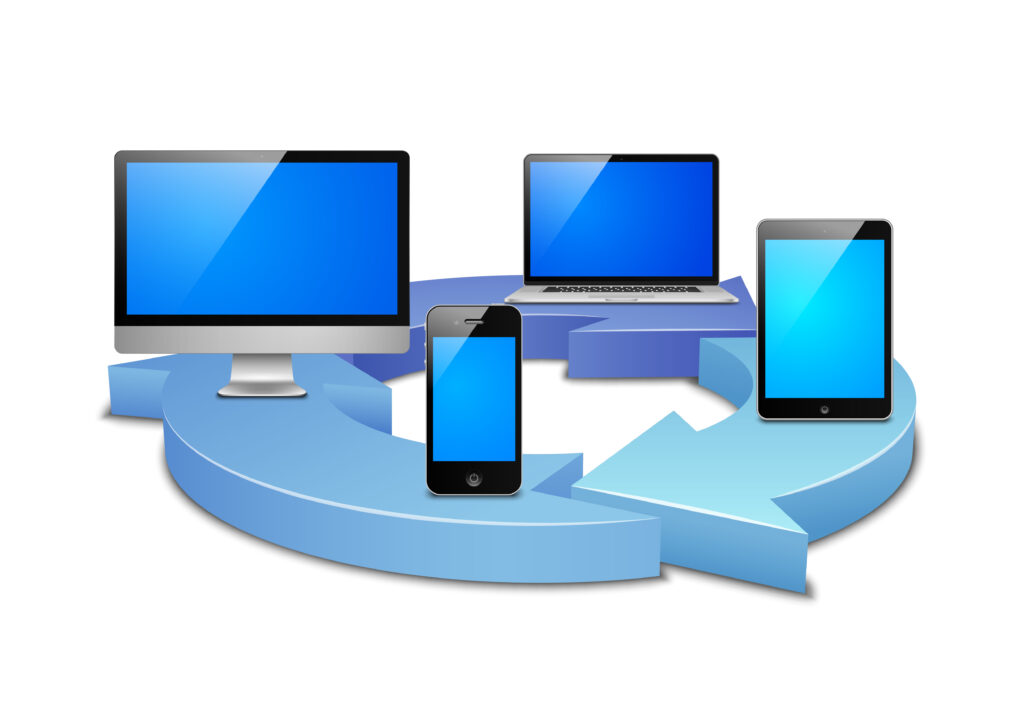
- For most users, the future lies in hybrid usage—combining the mobility of smartphones with the power of laptops.
In practical terms, smartphones replacing laptops is a selective reality rather than a universal shift. Smartphones increasingly complement laptops, but they have not fully replaced them in serious productivity environments.