ARM vs x86 Processors Explained: Why Chip Architecture Is a Big Tech News Story
ARM vs x86 processors have become one of the most important technology_toggle debates shaping modern computing in 2026. This is no longer a background engineering discussion limited to chip designers. It directly affects laptop battery life, desktop performance, software compatibility, cloud infrastructure costs, and even how future operating systems are built.
For decades, x86 processors dominated personal computing almost uncontested. Today, ARM-based chips are not just competing—they are redefining expectations. Understanding why this architectural shift matters requires examining how these processors work, where they differ fundamentally, and why the tech industry is paying close attention.
What Processor Architecture Actually Means
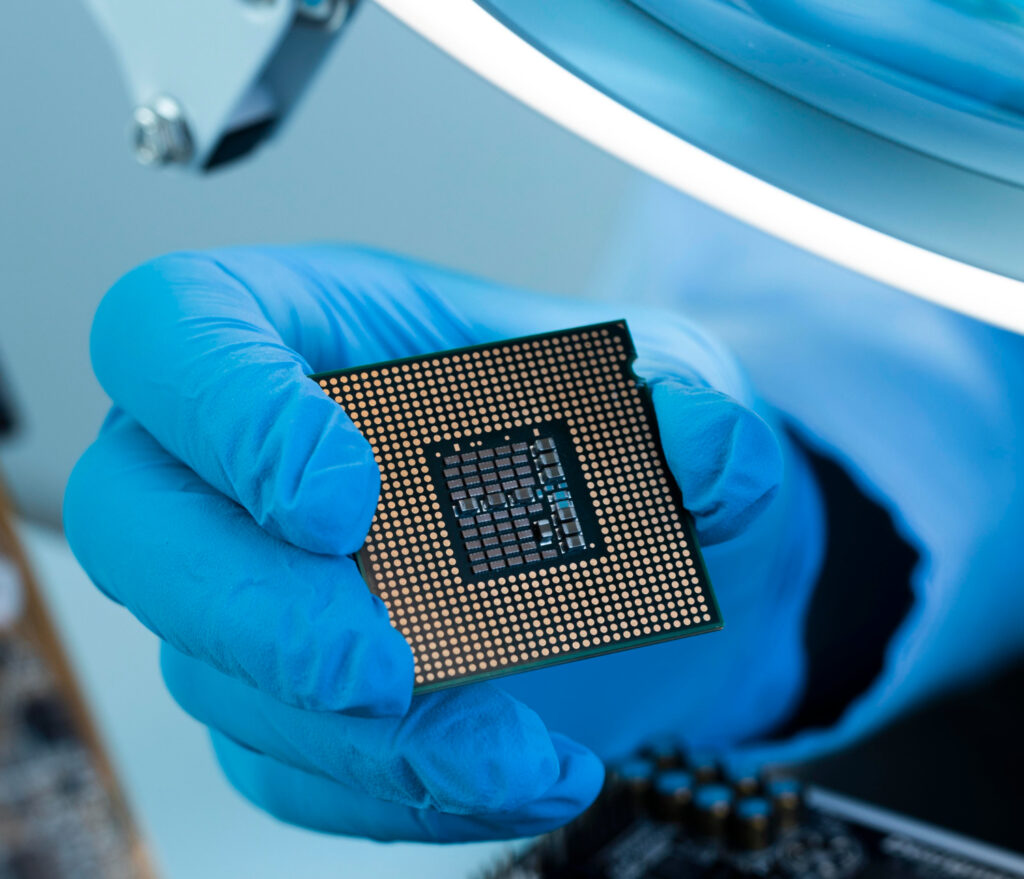
Processor architecture defines how a CPU executes instructions, manages memory, and balances performance with efficiency. ARM and x86 are not brands; they are instruction set architectures (ISAs) that determine how software communicates with hardware.
x86 follows a Complex Instruction Set Computing (CISC) approach, while ARM is built on Reduced Instruction Set Computing (RISC) principles. This foundational difference explains much of their behavior in real-world devices.
1. Performance vs Efficiency: The Core Trade-Off
The most visible distinction in the ARM vs x86 processors debate is how each balances raw performance against power efficiency.
x86 chips, traditionally produced by Intel and AMD, excel at high sustained performance. They handle complex workloads such as large software builds, professional video editing, and advanced gaming extremely well. This is why x86 still dominates desktop PCs and high-performance laptops.
ARM processors, by contrast, prioritize efficiency. They execute simpler instructions faster and consume significantly less power per task. This approach allows ARM-based devices to deliver strong everyday performance while dramatically improving battery life, a factor that has reshaped expectations for modern laptops and tablets. This shift aligns closely with how modern mobile-centric computing evolved, as explained in our in-depth breakdown of smartphones replacing laptops for daily productivity tasks.
2. Battery Life Is Now a Competitive Weapon
Battery endurance has become one of the most disruptive advantages for ARM-based systems. ARM laptops frequently deliver all-day usage without compromising responsiveness, something that traditional x86 systems struggled to achieve until recently.
This efficiency advantage is not theoretical. It directly impacts real-world usage patterns such as remote work, travel, and hybrid workflows. Manufacturers now treat battery life as a primary selling point rather than a secondary specification.
3. Software Compatibility and the Emulation Gap
One of the longest-standing criticisms of ARM computing has been software compatibility. Most legacy desktop applications were written for x86 environments.
In 2026, this gap has narrowed but not vanished. ARM systems increasingly rely on translation layers and native recompilation to run x86 software. While many mainstream applications now offer native ARM versions, specialized enterprise and legacy software still favors x86 platforms.
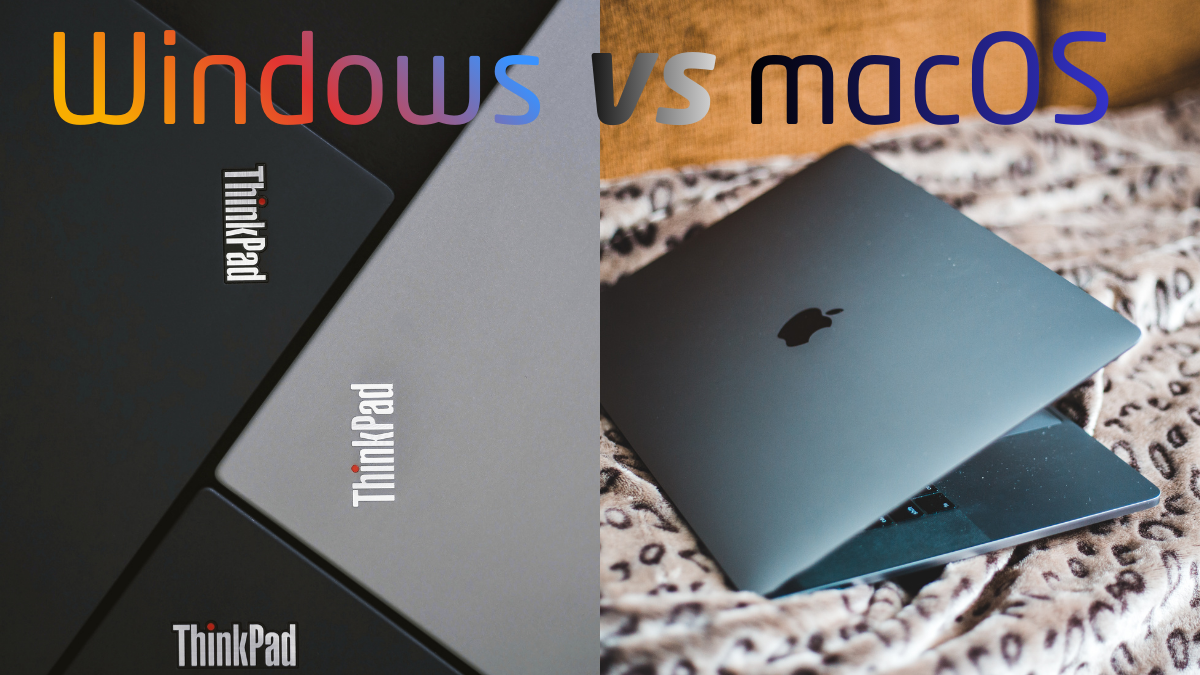
This compatibility challenge mirrors broader platform transitions in technology history and ties into ongoing debates about Windows vs macOS performance and ecosystem design choices, where architecture decisions influence long-term software support strategies.
4. Manufacturing Flexibility and Industry Control
Another reason ARM vs x86 processors dominate tech news is business strategy. ARM licenses its architecture to multiple manufacturers, allowing companies to design custom chips optimized for specific use cases.
This flexibility enables tight integration between hardware and software, leading to efficiency gains and differentiated performance profiles. x86, by contrast, remains concentrated among fewer vendors, which limits customization options but ensures consistent compatibility across systems.
This shift in control has strategic implications for device makers, cloud providers, and even national technology policies.
5. Cloud Computing and Data Center Economics
ARM’s impact extends beyond consumer devices. Cloud providers are increasingly deploying ARM-based servers to reduce energy consumption and operating costs.
Lower power usage translates directly into reduced cooling requirements and long-term cost savings at scale. This architectural change influences how cloud services are priced and optimized, reinforcing why ARM vs x86 processors are no longer just a consumer concern but an infrastructure-level issue.
6. Security Design Differences
Security architecture plays a growing role in processor selection. ARM designs often integrate security features directly into the architecture, including isolated execution environments and hardware-level encryption support.
x86 processors also implement advanced security mechanisms, but their legacy complexity can increase attack surfaces. As cybersecurity threats evolve, architectural simplicity becomes an advantage rather than a limitation.
7. Why This Architecture Shift Is a Major Tech News Story
The ARM vs x86 processors debate represents more than performance benchmarks—it reflects a transformation in how computing platforms are built and optimized.
Technology cycles rarely replace dominant architectures overnight. Instead, they shift gradually as new priorities—energy efficiency, mobility, and integration—outweigh legacy advantages. ARM’s rise mirrors this pattern, while x86 continues to adapt through hybrid designs and efficiency-focused innovations.
According to technical analysis published by ARM Holdings, modern ARM architectures are specifically designed to scale from mobile devices to servers while maintaining efficiency advantages across workloads (https://www.arm.com/architecture).
Practical Takeaway for Users in 2026
Choosing between ARM and x86 is no longer about which is “better” in absolute terms. It depends on how you use your device:
- If you prioritize battery life, silent operation, and everyday productivity, ARM-based systems are increasingly compelling.
- If you rely on legacy software, specialized tools, or maximum sustained performance, x86 remains the safer choice.
Understanding this distinction helps buyers make informed decisions rather than relying on outdated assumptions.
Final Verdict: Architecture Matters More Than Ever
ARM vs x86 processors define the direction of modern computing. This architectural competition influences device design, software ecosystems, cloud infrastructure, and long-term innovation strategies.
As hardware efficiency becomes as important as raw speed, the outcome of this rivalry will shape how users experience technology over the next decade—not just what devices they buy, but how those devices fit into daily life.