Ports, Hubs, and Docks: Building a Laptop Setup That Ages Well
Ports, Hubs, and Docks: Building a Laptop Setup That Ages Well
Laptop ports define how adaptable a device remains over time. While processors and displays determine performance and visuals, connectivity determines whether a laptop can integrate with evolving accessories, displays, storage devices, and workflows.
In 2026, laptops are more powerful than ever, but also more dependent on external connectivity. Fewer built-in ports mean users rely heavily on hubs and docks to extend functionality. Understanding how ports, hubs, and docking solutions work together is essential for building a laptop setup that remains useful for years.
Why Laptop Ports Matter More Than Ever?
Modern laptops are designed for portability, often at the cost of built-in connectivity. While this improves mobility, it shifts responsibility to external accessories.
Ports directly affect:
- External display support
- Data transfer speed
- Peripheral compatibility
- Workspace flexibility
A laptop with limited or poorly chosen ports may feel outdated long before its internal hardware becomes obsolete.
Understanding Common Laptop Ports in 2026
Most modern laptops rely on a small set of versatile ports rather than many specialized ones.
Common ports include:
- USB-C (data, power, display)
- Thunderbolt (high-speed data and multiple displays)
- HDMI (direct display output)
- Audio combo jack
Legacy ports like USB-A and Ethernet are becoming less common, increasing reliance on external expansion solutions.
USB-C: The Foundation of Modern Connectivity
USB-C is not just a connector; it is a transport system capable of handling power delivery, data transfer, and video output.
However, not all USB-C ports offer the same capabilities. Performance depends on:
- Supported data speed
- Display output standards
- Power delivery limits
This variability is a major source of confusion. Users often assume all USB-C ports are equal, which leads to compatibility issues with displays and accessories.
Thunderbolt: When You Need Maximum Flexibility
Thunderbolt builds on USB-C by adding significantly higher bandwidth and expanded device support. It enables:
- Multiple high-resolution external displays
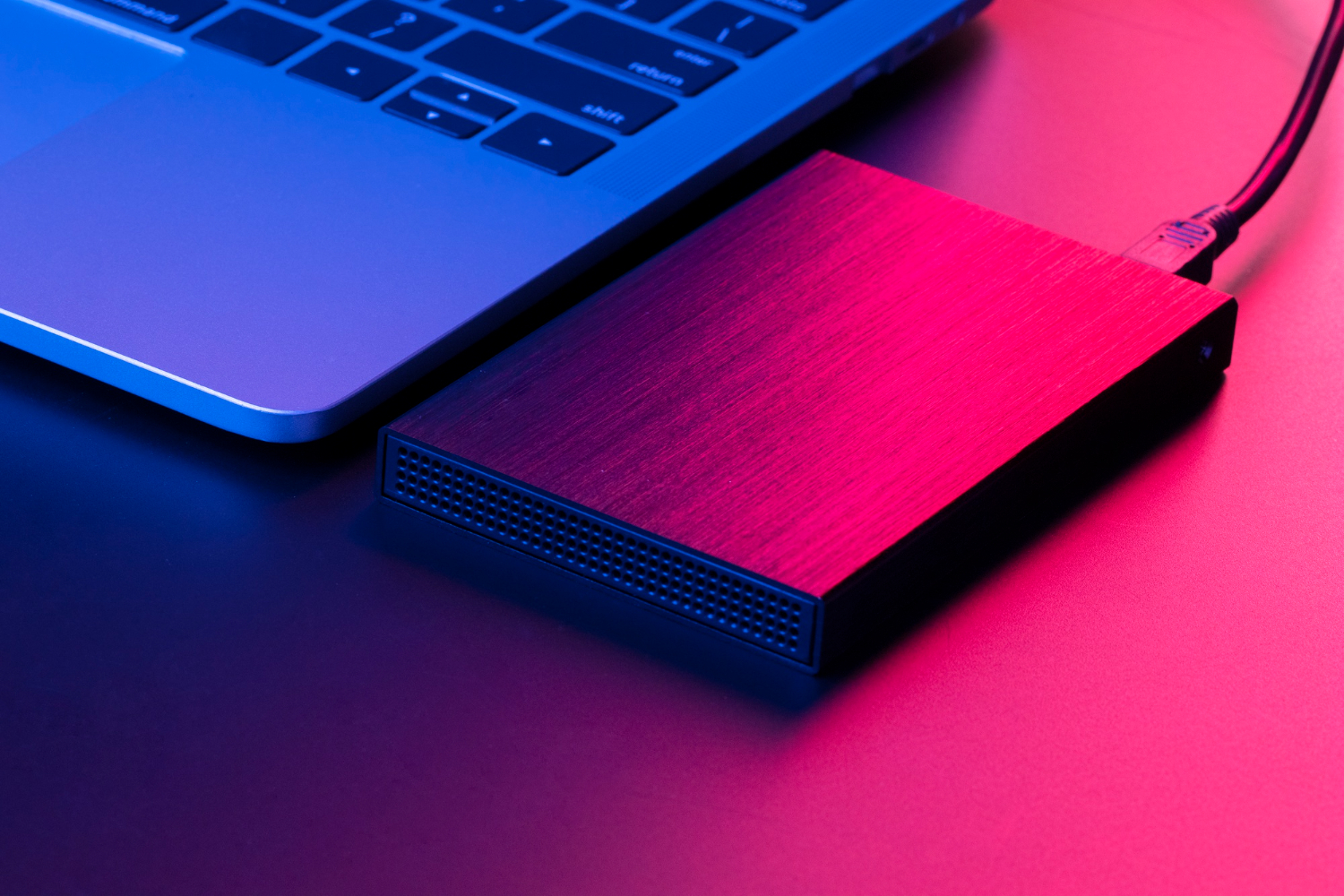
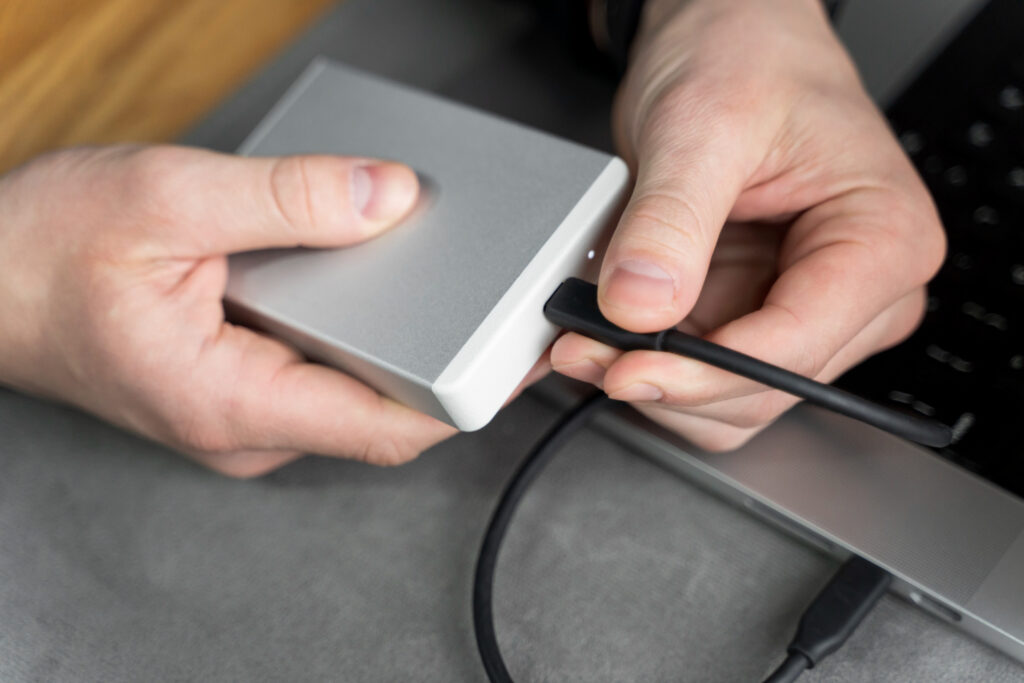
- High-speed external storage
- Docking stations with full desktop replacement capability
Thunderbolt docks are ideal for users who want a single-cable workstation setup.
USB-C Hubs vs Full Docking Stations
USB-C hubs and docking stations serve different purposes, despite appearing similar.
USB-C hubs are best for:
- Lightweight expansion
- Travel and temporary setups
- Basic peripherals and single displays
Docking stations are designed for:
- Permanent desk setups
- Multiple monitors
- Stable power delivery
- Ethernet and high-speed peripherals
Choosing between them depends on how stationary your workflow is.
Display Support and External Monitors
External display support is one of the most common reasons users invest in hubs or docks. Display capability depends on both the laptop’s port and the hub’s chipset.
Factors that matter include:
- Supported resolution and refresh rate
- Number of simultaneous displays
- Operating system limitations
Building a display setup without understanding these constraints often leads to frustration.
Ports and Long-Term Laptop Value
A laptop’s ability to adapt to new accessories directly impacts its usable lifespan. Devices with flexible port support remain relevant even as standards evolve.
Future-proof setups prioritize:
- Standardized connectors
- High-bandwidth ports
- Modular expansion
This approach reduces the need for premature upgrades and supports sustainable device usage.
Common Mistakes When Choosing Hubs and Docks
Users often focus on port quantity rather than capability. This leads to issues such as:
- Insufficient power delivery
- Display limitations
- Inconsistent peripheral behavior
Quality hubs and docks prioritize power management, chipset reliability, and standards compliance over port count.
Cable Quality Matters More Than Most Users Expect
Cables are an overlooked but critical component of laptop connectivity. Poor-quality cables can limit data speed, disrupt charging, or prevent displays from working correctly.
Always use cables rated for:
- Required wattage
- Data transfer speed
- Display output
Reliable cables ensure the entire connectivity chain performs as expected.
Building a Laptop Setup That Ages Well
A future-proof laptop setup is not about buying the most expensive dock. It is about understanding your workflow and choosing adaptable components.
A well-designed setup includes:
- A laptop with high-bandwidth ports
- A reliable hub or dock matched to usage
- Quality cables and peripherals
This combination allows laptops to scale with changing needs rather than become obsolete.
Key Takeaways:
Laptop ports determine how well a device integrates into modern and future workflows. USB-C and Thunderbolt offer powerful flexibility, but only when their capabilities are properly understood.
Hubs and docks extend laptop functionality, but choosing the right solution depends on workload, display needs, and power requirements. A thoughtful connectivity strategy ensures long-term usability, reduces frustration, and maximizes the value of a laptop investment.