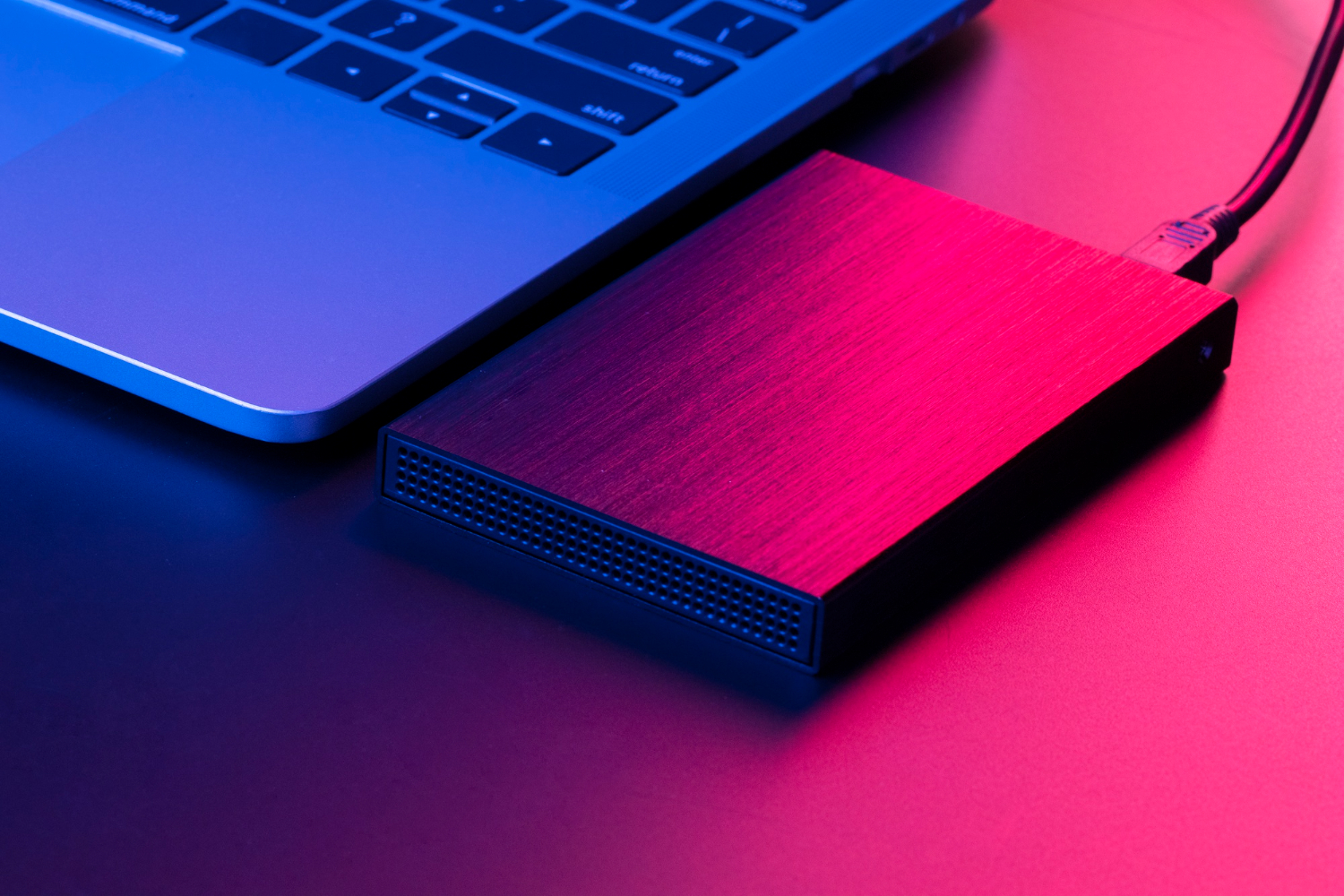
When to Upgrade, Accessorize, or Replace Your Laptop: A Practical Decision Guide

Laptop Upgrade Decisions in 2026: Why Most Users Still Get Them Wrong
Laptop upgrade decisions in 2026 are no longer about chasing newer models or reacting to slowdowns blindly. Modern laptops are built with far more capable processors, faster storage, and longer software support cycles than in the past. Yet users still replace devices prematurely—or worse, keep underperforming systems far too long.
The problem is not lack of options. It is misunderstanding where performance limitations actually come from and how upgrades, accessories, or replacement affect real-world productivity.
Rule 1: Stop Using Laptop Age as the Primary Upgrade Signal
One of the most persistent myths influencing laptop upgrade decisions is that a laptop becomes obsolete after a fixed number of years. This assumption no longer holds true.
A laptop’s real viability depends on:
- CPU architecture relevance
- Available RAM for modern multitasking
- Storage speed and free capacity
- Thermal efficiency under sustained load
Many laptops released several years ago still handle office work, development, and content creation efficiently when these factors are balanced.
Modern processor lifecycle and efficiency improvements are documented by Intel’s public architecture roadmap:
Rule 2: Identify Performance Bottlenecks Before Replacing Anything
Poor performance is often misdiagnosed. In many cases, the laptop itself is not the limiting factor.
Common bottlenecks include:
- Insufficient system memory, causing excessive swapping
- Nearly full SSDs, reducing read/write efficiency
- Background software load, not hardware weakness
These issues directly impact perceived speed but do not justify replacement.
Rule 3: Accessorizing Is Often the Smartest Upgrade Decision
One of the most overlooked aspects of laptop upgrade decisions is the impact of external accessories. Accessories frequently deliver greater productivity improvements than internal upgrades.
Effective accessories include:
- External keyboards and mice for accuracy and ergonomics
- Laptop stands to improve posture and airflow
- External monitors for multitasking and visual clarity
These upgrades directly affect comfort, efficiency, and long-term health, even when the laptop’s internal hardware remains unchanged..
Rule 4: Know When Internal Upgrades Are Still Worthwhile
Internal upgrades still matter—but only under specific conditions. Many modern laptops restrict memory and storage upgrades due to soldered designs.
Internal upgrades make sense when:
- RAM is user-replaceable
- Storage uses standard M.2 or SATA formats
- Thermal design can support higher workloads
If these conditions are not met, forcing internal upgrades often leads to poor cost efficiency.
Rule 5: Repairability Should Influence Every Laptop Upgrade Decision
Repairability directly affects how long a laptop can remain useful. Devices with poor repair access or proprietary parts depreciate faster.
Low repairability leads to:
- High battery replacement costs
- Limited third-party servicing
- Shorter functional lifespan
When Replacement Becomes the Correct Choice
Replacement is justified when limitations are structural, not incremental.
Replacement indicators include:
- Sustained thermal throttling
- Operating system compatibility limits
- Battery degradation affecting mobility
- Repair costs exceeding practical value
At this stage, accessories and minor upgrades no longer deliver meaningful gains.
Workflow Changes That Force Smarter Decisions
Laptop upgrade decisions must evolve alongside user workflows. A device that once worked perfectly may no longer meet new demands.
Common triggers:
- Transition into video editing or 3D workloads
- Professional software requiring newer instruction sets
- Multi-display setups exceeding GPU capability
In these cases, replacement is not optional—it is operationally necessary.
Cost Efficiency and Long-Term Ownership Strategy
Smart laptop upgrade decisions consider total cost of ownership, not short-term savings.
Questions to ask:
- Will accessories extend usability for years?
- Does replacement meaningfully increase productivity?
- Can existing gear carry forward to the next laptop?
Often, a hybrid approach—accessories now, replacement later—delivers the best outcome.
Sustainability Is No Longer Optional
Extending laptop lifespan reduces electronic waste and lowers environmental impact.
Sustainable decisions include:
- Repairing instead of replacing
- Reusing accessories across devices
- Avoiding unnecessary hardware churn
These practices align with both financial and environmental responsibility.

Key Takeaways:
Laptop upgrade decisions in 2026 require a structured approach, not assumptions based on age or marketing. Performance bottlenecks, repairability, workflow demands, and accessory potential must all be evaluated before replacing a device.
In many cases, targeted upgrades and external gear deliver greater value than immediate replacement. Replacement becomes the correct decision only when limitations are fundamental and unavoidable.