Passkeys Replacing Passwords: Are Passwords Finally Becoming Obsolete?

Passkeys Replacing Passwords Is Redefining Digital Security
Passkeys replacing passwords is no longer a future prediction—it is an active transformation happening across operating systems, browsers, smartphones, and major online platforms in 2026. From device logins to financial apps, traditional passwords are being quietly phased out in favor of cryptographic authentication methods that promise stronger security and better usability.
This shift represents one of the most important changes in consumer cybersecurity since two-factor authentication became mainstream. To understand why this matters, we need to examine what passkeys are, why passwords have failed, and how this transition impacts real users.
Why Passwords Are Fundamentally Broken
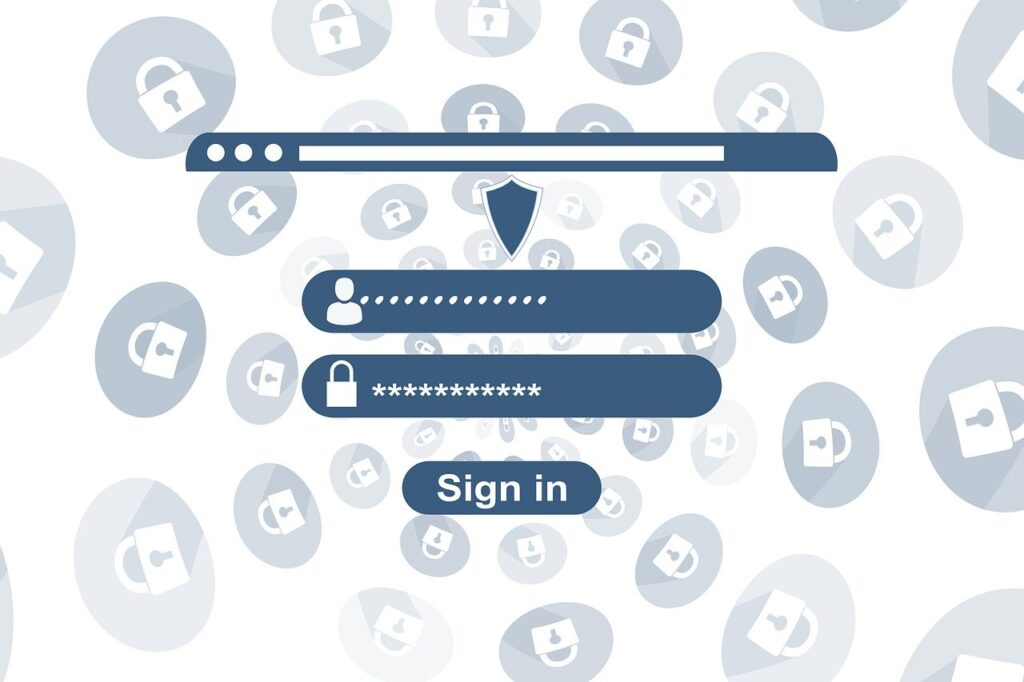
Passwords were never designed for today’s internet. They rely on human memory, reuse, and predictable behavior—three factors attackers exploit with ease.
Data breaches, phishing attacks, and credential stuffing have become routine because passwords are static secrets. Once compromised, they can be reused across multiple services. Even strong passwords offer limited protection when users are tricked into revealing them.
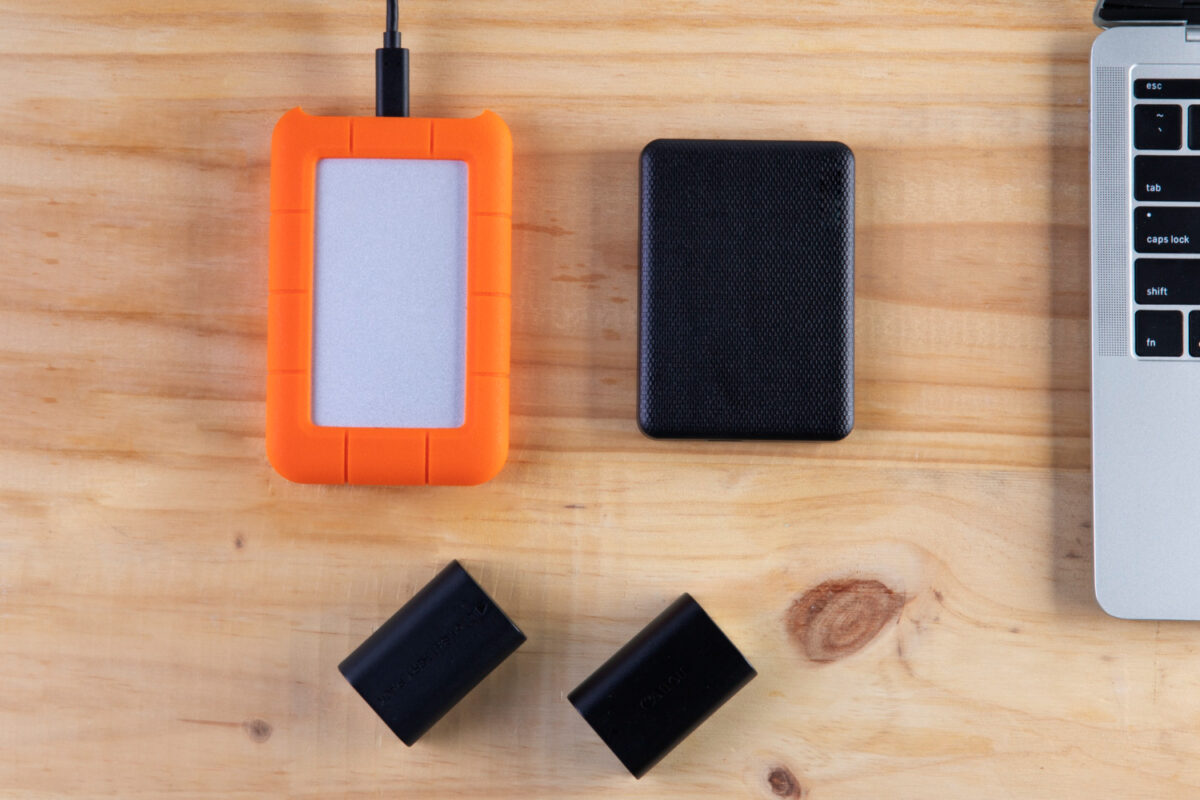
This systemic weakness mirrors other legacy technology limitations, similar to how traditional storage models struggle with modern data demands as discussed in cloud storage vs local storage cost and privacy tradeoffs.
What Are Passkeys and How Do They Work?
Passkeys replace passwords with public-key cryptography tied directly to a user’s device. Instead of storing a shared secret on a server, passkeys generate a cryptographic key pair:
- A private key stored securely on the user’s device
- A public key stored on the service’s server
Authentication occurs when the device proves possession of the private key using biometric verification or a device PIN—without transmitting sensitive credentials.
This model eliminates phishing risk entirely because there is no password to steal.
1. Phishing Resistance by Design
The most powerful advantage of passkeys replacing passwords is built-in phishing protection. Passkeys are domain-specific, meaning they only work on the legitimate website or app that created them.
Even if a user is tricked into visiting a fake site, authentication simply fails. This security property alone addresses one of the internet’s most persistent attack vectors.
2. Biometric Convenience Without Biometric Risk
Passkeys often use fingerprints or facial recognition, but biometric data never leaves the device. The biometric scan only unlocks the private key locally.
This distinction is critical and frequently misunderstood. Unlike centralized biometric databases, passkeys do not expose biometric data to service providers—an approach aligned with modern privacy-by-design principles increasingly adopted across platforms.
3. Platform-Wide Adoption Is Accelerating
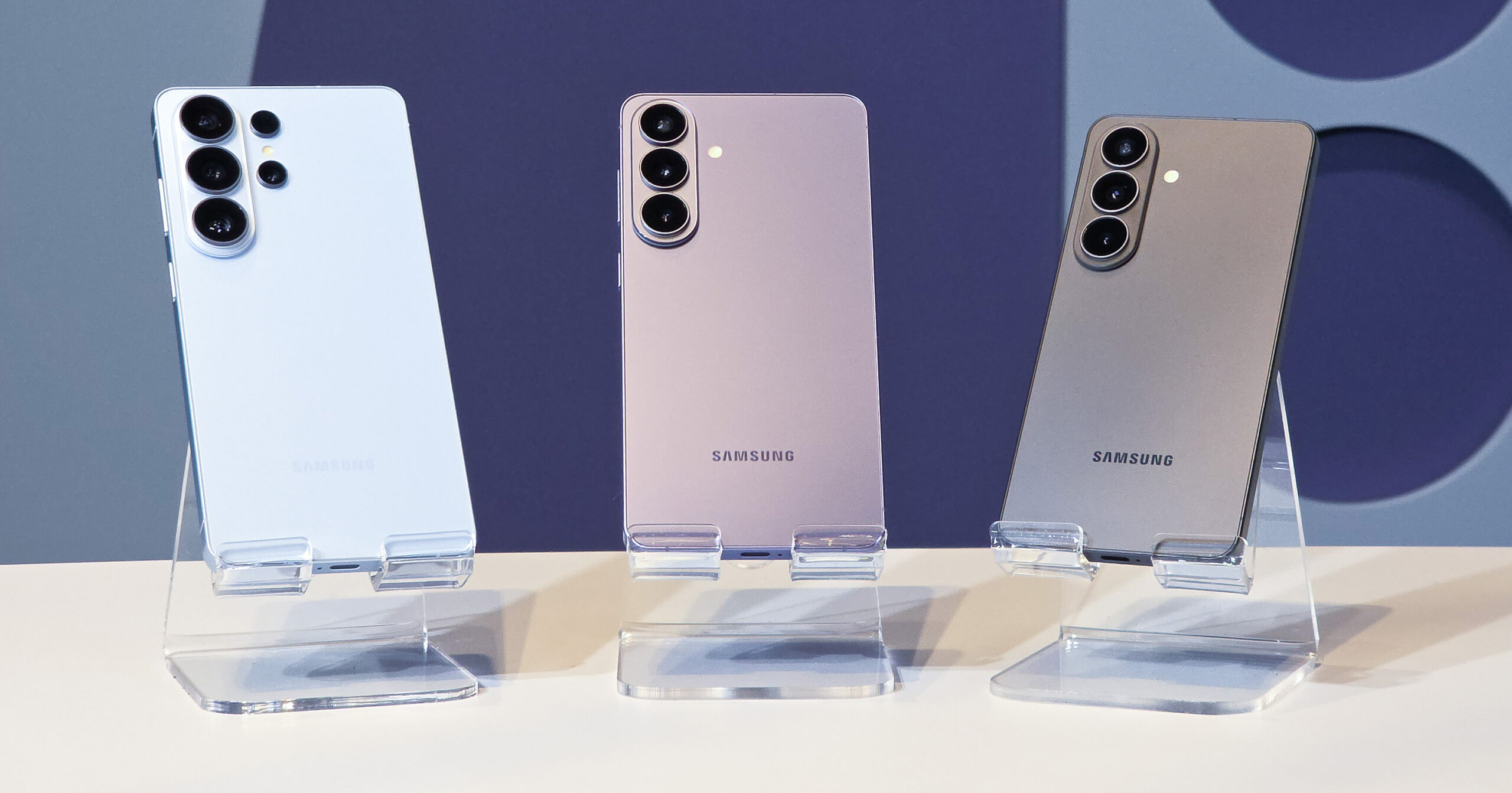
Major operating systems and browsers now support passkeys natively. Smartphones play a central role in this transition, reinforcing how mobile platforms increasingly define authentication standards, similar to how AI inside smartphones enables smart security and personalization features.
As passkey support becomes default rather than optional, user adoption accelerates without requiring technical expertise.
4. Cross-Device Sync Solves the Early Adoption Problem
Early criticism of passkeys focused on device lock-in. In 2026, this concern is largely resolved through secure cloud-based synchronization tied to user accounts.
Users can authenticate across laptops, tablets, and phones while maintaining cryptographic security. This evolution closely parallels broader ecosystem integration trends already seen in Windows vs macOS performance and ecosystem design comparisons.
5. Reduced Breach Impact for Companies
When passwords are breached, companies face massive liability, regulatory scrutiny, and reputational damage. Passkeys dramatically reduce this risk because servers no longer store reusable credentials.
Even if a database is compromised, attackers gain nothing usable. This security improvement is a major reason enterprises are actively promoting passwordless authentication rather than waiting for user demand.
6. Are Passwords Completely Going Away?
Despite rapid adoption, passwords will not disappear overnight. Legacy systems, older hardware, and certain enterprise workflows still depend on them.
However, passwords are increasingly treated as a fallback rather than a primary authentication method. Over time, their role will diminish much like physical keys gave way to smart access systems.
This gradual transition mirrors other technology shifts where old and new systems coexist temporarily before full replacement.
7. The Real-World Impact for Everyday Users
For users, passkeys replacing passwords means:
- Fewer login failures
- No password resets
- Stronger protection without added complexity
This usability improvement addresses long-standing security fatigue, where users sacrifice safety for convenience. Passkeys finally align both.
According to security guidance published by the FIDO Alliance, passkeys significantly reduce account takeover attacks while improving user experience through passwordless authentication standards (https://fidoalliance.org/passkeys/).
Key Takeaway: This Shift Is Permanent
Passkeys are not a trend—they are a structural upgrade to how identity works online. Passwords persist today because of inertia, not because they are effective.
As platforms standardize passkey support and users experience the convenience firsthand, password-based logins will increasingly feel outdated, insecure, and unnecessary.