AI vs Smart Automation: How Intelligent Systems Actually Work

Why AI and Smart Automation Are Constantly Confused?
AI vs Smart Automation: The terms artificial intelligence and smart automation are often used interchangeably, yet they describe fundamentally different technologies. This confusion is not accidental. As AI becomes a powerful marketing term, many automated systems are rebranded as “AI-powered,” even when no real intelligence is involved.
As explained in our detailed breakdown of how AI is used in daily life, most systems people interact with every day rely on a combination of automation and limited AI decision-making, not fully autonomous intelligence.
Understanding the difference between AI vs smart automation is essential in 2026, when these technologies influence productivity, privacy, security, and decision-making across smartphones, smart homes, vehicles, and workplaces.
What Smart Automation Really Is:
Smart automation refers to systems designed to perform actions automatically based on predefined rules, triggers, or workflows. These systems do not learn independently, interpret context, or improve over time unless manually updated.
Key characteristics of smart automation include:
- Rule-based logic
- Predictable outcomes
- High reliability
- Zero independent learning
Automation is optimized for execution, not understanding.
Common examples include automated workflows, scheduled smart home routines, manufacturing processes, and rule-based software actions. These systems appear intelligent because they respond quickly, but every outcome is predetermined.
From a technical perspective, automation belongs to deterministic system design, a concept widely used in software engineering and control systems, where identical inputs always produce identical outputs, as outlined in foundational computing principles documented by institutions such as MIT and IEEE and summarized in public references like
https://en.wikipedia.org/wiki/Deterministic_system
What Makes Artificial Intelligence Different:
Artificial intelligence introduces the ability for systems to learn from data, recognize patterns, and make probabilistic decisions. Instead of relying solely on predefined rules, AI systems evaluate inputs dynamically and adapt their behavior over time.
Core characteristics of AI decision-making systems include:
- Data-driven learning
- Pattern recognition
- Context awareness
- Adaptive behavior
- Continuous improvement
AI excels in environments where inputs are complex, uncertain, or constantly changing. Unlike automation, AI systems do not require every possible outcome to be defined in advance.
Everyday examples include voice assistants interpreting natural language, smartphone cameras enhancing images automatically, recommendation engines personalizing content, and navigation systems adapting to traffic conditions.
These capabilities are rooted in machine learning models, a subset of AI formally defined and studied by academic and research institutions worldwide, including explanations provided by organizations such as the OECD:
https://www.oecd.org/artificial-intelligence/what-is-ai/
AI does not simply execute instructions—it evaluates situations.
AI vs Smart Automation: The Core Structural Difference
The most important difference between AI vs smart automation lies in how decisions are produced.
Smart automation follows explicit logic. Every possible outcome must be anticipated in advance. Artificial intelligence relies on inference, using statistical models to determine the most likely or optimal action.
This distinction is often described through intelligent system architecture, where:
- Automation handles execution
- AI handles decision selection
Automation answers how to act.
AI answers what action makes sense.
Why Most “AI Systems” Are Actually Hybrid
In real-world applications, very few systems are purely AI-driven. Most modern platforms use hybrid intelligent systems, combining automation for reliability and AI for adaptability.
For example:
- Smart homes automate device control but use AI to learn usage patterns
- Smartphones automate system tasks while AI optimizes performance and battery life
- Customer service platforms automate workflows while AI interprets user intent
This hybrid model allows systems to scale efficiently while still appearing intelligent.
This is especially evident in mobile devices, where AI features operate alongside automation to improve daily usability—an approach explored further in AI inside smartphones smart features.
Where Smart Automation Is Still the Better Choice
Despite rapid AI advancement, smart automation remains superior in many scenarios.
Automation is preferable when:
- Compliance requires deterministic behavior
- Safety-critical systems must remain predictable
- Costs must be tightly controlled
- Tasks are repetitive and structured
- Auditability is mandatory
Examples include financial systems, industrial controls, medical devices, and infrastructure management.
In these environments, AI’s adaptability can introduce unacceptable uncertainty. Automation minimizes risk.
Common Myths Around AI and Automation
One of the most persistent misconceptions is that automation equals AI. In reality, most automated systems contain no intelligence at all.
Another common myth is that AI replaces automation. In practice, AI depends on automation to execute actions in the real world.
Finally, many smart devices are assumed to be highly intelligent when they primarily rely on smart automation workflows with limited AI components.
Correcting these misconceptions is critical for responsible adoption and realistic expectations.
Why This Distinction Matters in 2026
As AI becomes more deeply integrated into everyday technology, misunderstanding its role creates real consequences.
Users may overtrust systems that lack reasoning, misunderstand how data is collected, or pay premiums for “AI features” that are simply automated rules. Policymakers and businesses may also misjudge risk, capability, and accountability.
Understanding AI vs automation differences empowers users to evaluate technology claims critically and make informed decisions about trust, privacy, and control.
Key Takeaways:
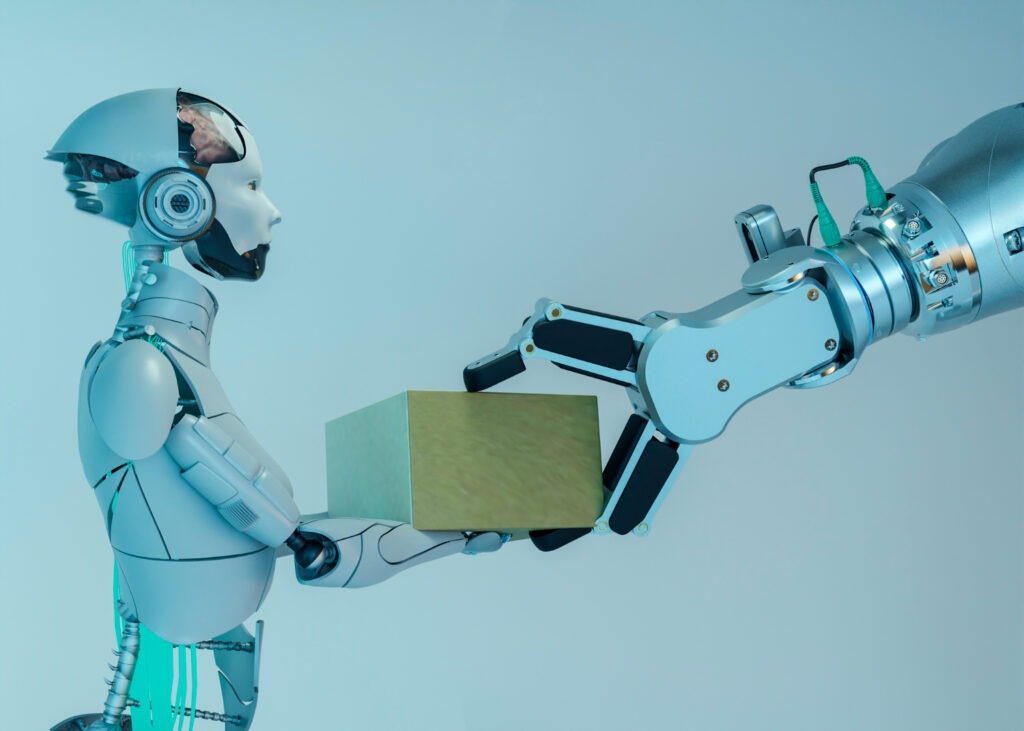
Artificial intelligence and smart automation are not competing technologies—they are complementary. Automation delivers efficiency through predefined logic, while AI adds adaptability through data-driven decision-making.
In 2026, the most effective intelligent systems are built where automation executes reliably and AI guides decisions intelligently. Knowing where intelligence truly exists—and where it does not—is essential for using modern technology responsibly, efficiently, and with clear expectations.