AI Inside Smartphones: Smart Features That Improve Daily Use

Why Smartphones Depend on AI More Than Ever?
Modern smartphones are no longer simple communication devices. They are intelligent computing systems designed to adapt continuously to user behavior, environment, and usage patterns. At the core of this transformation is artificial intelligence.
From photography enhancement and battery optimization to security protection and voice interaction, AI inside smartphones operates silently in the background. These systems do more than automate tasks—they analyze data, predict intent, and optimize performance dynamically.
As explained in our deep-dive on AI vs smart automation, true intelligence begins where rule-based automation ends. Smartphones represent one of the most practical real-world implementations of this principle.
How AI Is Embedded Inside Smartphones
AI in smartphones is not a standalone feature. It is integrated across hardware, operating systems, and software layers, forming a distributed intelligent architecture.
Key components include:
- On-device AI processors
- Machine learning models embedded in the OS
- Sensor data interpretation
- Context-aware system management
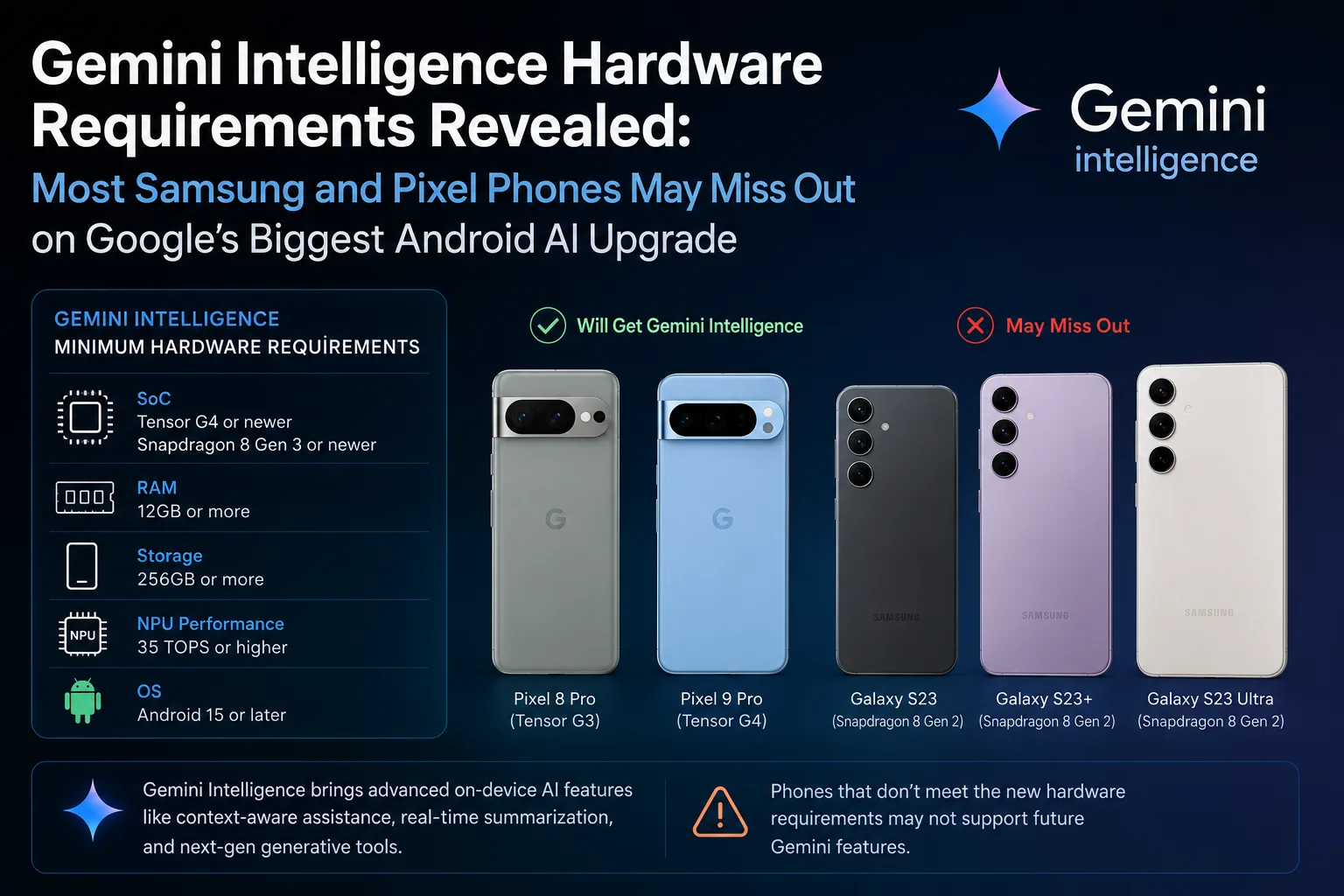
This structure enables real-time AI decision-making without constant reliance on cloud servers, improving speed, privacy, and reliability.
AI-Powered Camera Systems: Beyond Hardware Limits
One of the most visible examples of smartphone AI features is photography. Modern mobile cameras rely heavily on computational photography, where AI processes images instantly after capture.
AI enables:
- Scene recognition
- Automatic exposure and color correction
- Portrait depth mapping
- Low-light image enhancement
- Video stabilization and object tracking
Instead of simply recording light, AI interprets visual data and reconstructs images based on learned patterns. This is why modern smartphones outperform traditional cameras in many everyday conditions despite smaller sensors.
Battery Optimization Through AI Decision-Making
Battery efficiency is one of the most critical areas where AI inside smartphones delivers real daily value.
AI-driven battery optimization works by:
- Learning app usage behavior
- Predicting daily activity cycles
- Restricting unnecessary background processes
- Balancing performance vs power consumption
Unlike static power-saving modes, AI systems adapt continuously. They apply probabilistic decision-making, not fixed rules, to extend battery life without sacrificing usability.
This is a direct application of AI decision-making systems improving user experience invisibly.
Smarter Performance and Resource Management
Smartphones must balance speed, thermal limits, and energy efficiency. AI enables dynamic performance management at the system level.
AI contributes to:
- Intelligent CPU and GPU scheduling
- Thermal regulation
- Predictive app loading
- Memory optimization
Instead of allocating resources equally, AI prioritizes tasks based on context, urgency, and user behavior, ensuring smoother multitasking and faster response times.
Voice Assistants and Natural Language Understanding
Voice interaction is one of the most direct ways users experience artificial intelligence in mobile phones.
AI allows smartphones to:
- Understand natural language, not just commands
- Detect intent and context
- Handle follow-up queries
- Improve accuracy through learning
These capabilities are powered by natural language processing (NLP) models, which analyze speech patterns and semantics rather than keywords.
Here, automation executes actions, while AI interprets meaning.
AI-Based Security and Privacy Protection
Security is a critical area where AI-powered smartphones outperform traditional systems.
AI is used for:
- Biometric authentication (face and fingerprint recognition)
- Behavioral anomaly detection
- On-device threat identification
- Adaptive privacy protection
Unlike static security rules, AI adapts to individual user behavior, making attacks harder to predict and exploit.
These approaches align with internationally recognized principles of trustworthy AI, including robustness, safety, and accountability, as outlined by the OECD AI Principles:
https://oecd.ai/principles/
Everyday AI Features Users Often Overlook
Some of the most impactful smart mobile technology features operate quietly in the background.
Examples include:
- Predictive text and typing correction
- Smart notification prioritization
- Adaptive brightness and display tuning
- Location-based suggestions
- Spam call and message filtering
These features highlight how AI inside smartphones improves daily use through continuous micro-optimizations, not dramatic interactions.
As shown in how AI is used in daily life, the most effective AI systems are often the least visible.
Limitations of Smartphone AI
Despite its capabilities, smartphone AI is not human intelligence.
Key limitations include:
- Dependence on historical training data
- Difficulty handling entirely new scenarios
- Potential bias in datasets
- Lack of true reasoning or understanding
Recognizing these limits helps users maintain realistic expectations and use AI-powered devices responsibly.
Why AI Inside Smartphones Matters in 2026
Smartphones are the most widely used computing devices globally. As AI becomes more deeply embedded, these devices increasingly shape communication, productivity, security, and decision-making.
Understanding AI inside smartphones enables users to:
- Identify real intelligence vs marketing claims
- Make informed purchase decisions
- Manage privacy and permissions effectively
- Use smart features more strategically
Key Takeaways:
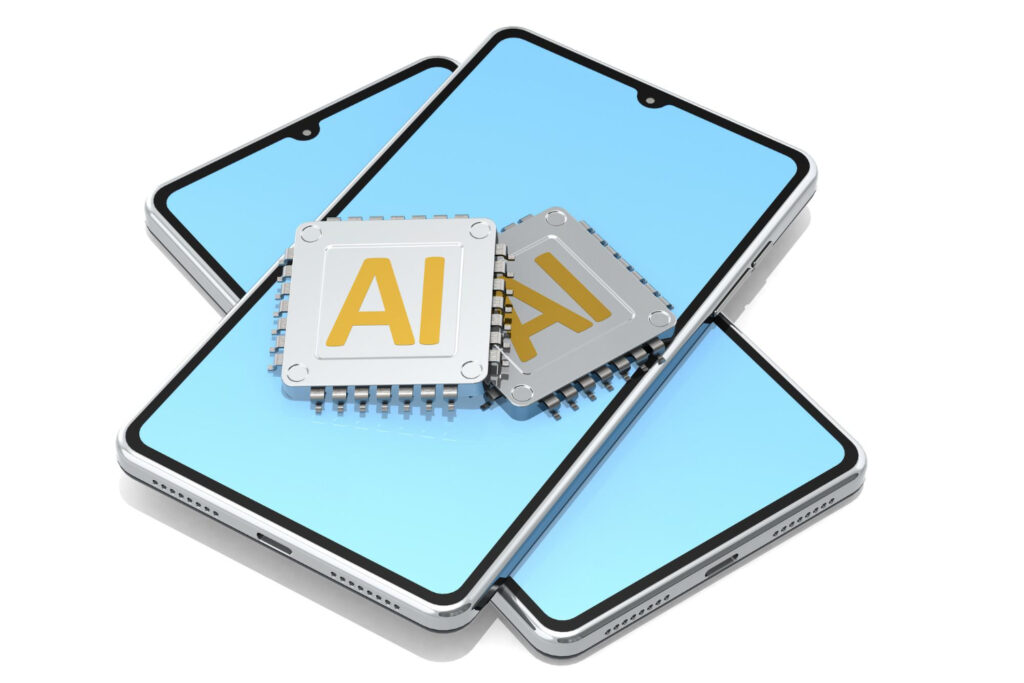
AI inside smartphones is not a single feature but a system-wide intelligence layer that enhances photography, battery life, performance, security, and daily usability. Unlike basic automation, smartphone AI learns from behavior, adapts to context, and optimizes continuously.
In 2026, the most valuable mobile experiences are powered by invisible, on-device AI, working quietly to make smartphones faster, safer, and more intuitive. Understanding how these systems function allows users to trust them appropriately and use them more effectively.