UW’s Tiny Camera Earbuds Are a Clever AI Upgrade — But They Raise Serious Privacy Questions
Quick Highlights
Forget smart glasses for a moment. Researchers at the University of Washington are working on something that could be even more disruptive: wireless earbuds with built-in cameras.
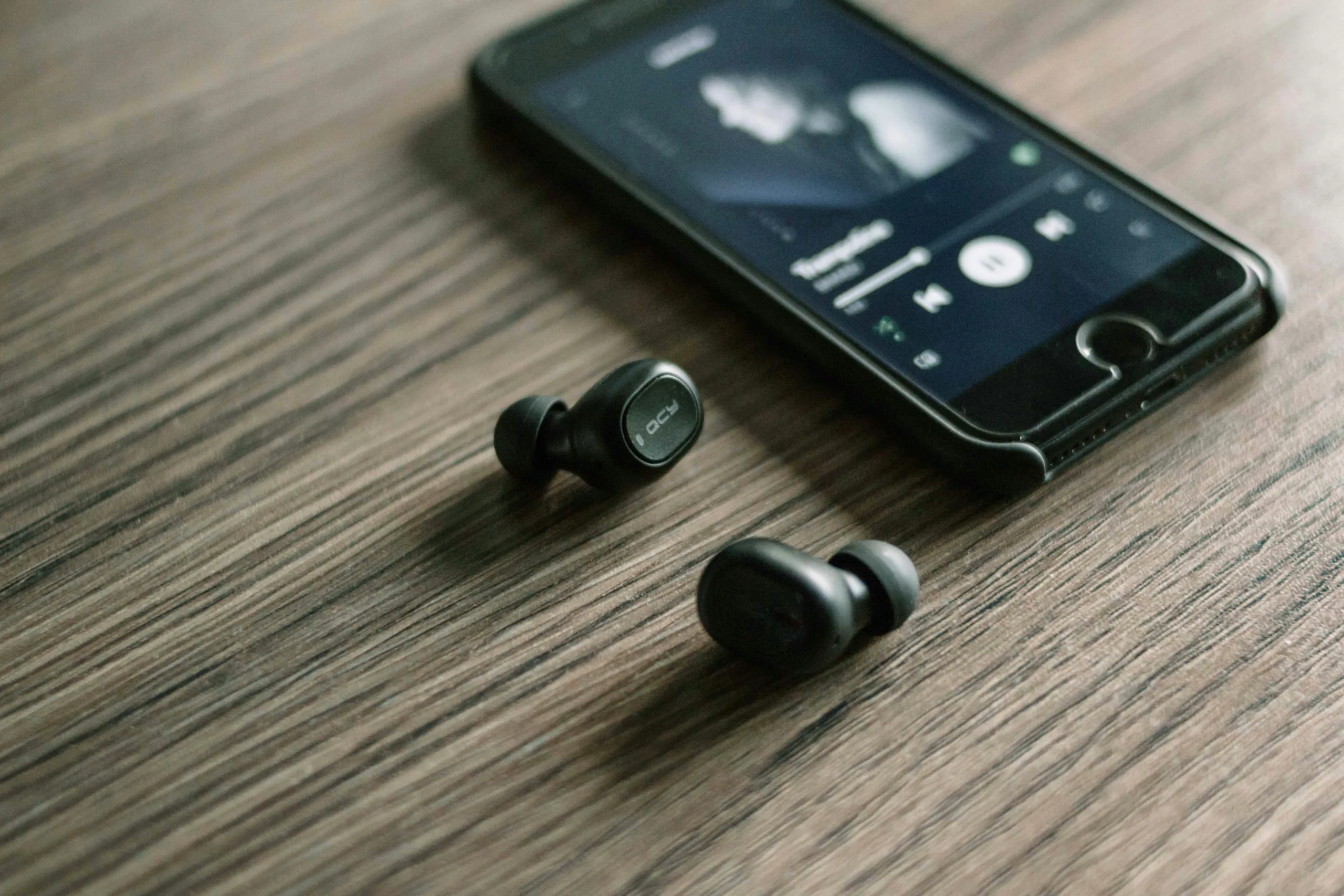
The prototype, called VueBuds, places a rice-grain-sized camera inside each earbud, turning a normal-looking pair of earbuds into a hands-free visual AI assistant. The idea is simple but powerful — instead of pulling out a phone or wearing camera glasses, users can just look at an object and ask an AI assistant what they’re seeing.
It’s a futuristic concept hiding in plain sight, and it could be one of the most interesting wearable AI experiments we’ve seen in years.
VueBuds: AI Cameras Hidden Inside Wireless Earbuds
Wireless earbuds have become one of the most socially accepted pieces of consumer tech in the world. Unlike smart glasses, which still carry the “people are watching you” stigma, earbuds blend in.
That’s exactly why the University of Washington team chose this form factor.
VueBuds are built using a modified pair of Sony wireless earbuds, with tiny outward-facing cameras embedded inside each earbud. These cameras are angled slightly outward, capturing a wide view of what the user is facing.
The goal is to make AI assistance feel natural, hands-free, and always available — without needing a screen.
And in terms of usability, it’s a smart idea. People already wear earbuds daily. Adding AI vision to them feels like a logical next step.
How VueBuds Works: Slow Frames, Fast Answers
The biggest challenge with cameras in earbuds is power. Cameras consume far more energy than microphones, which is why this concept hasn’t been common in mainstream consumer products.
To solve that, researchers used a low-power camera sensor that captures about one black-and-white frame per second. That might sound extremely limited compared to modern smartphone cameras, but it’s enough for the type of AI interaction VueBuds is designed for.
This isn’t meant for video recording. It’s meant for quick AI queries like:
What is this object?
What does this label say?
How many calories are in this food?
Translate this text.
The system stitches images from both earbuds into a single combined frame, then processes them quickly. Researchers claim responses can arrive in about a second.
The Biggest Selling Point: No Cloud, No Storage
VueBuds isn’t built around sending images to the cloud or saving visual history. Instead, the system is designed to process images locally and discard them immediately.
According to the research team, images are not stored, and the device doesn’t keep a memory log of what you looked at.
That privacy-first approach is intentional, because the moment cameras are added to everyday wearables, trust becomes the most important factor.
This matters even more in a world where AI assistants are becoming deeply embedded into daily life, whether it’s through phones, apps, or connected ecosystems.
Why Earbuds Could Beat Smart Glasses
The researchers also make a strong argument: smart glasses may never fully become socially normal.
Smart glasses still carry the legacy of Google Glass, along with the discomfort of people wondering if they’re being recorded. Even Meta’s camera glasses have faced criticism because they make recording feel invisible and difficult to detect.
Earbuds, however, already exist everywhere. They don’t signal “surveillance tech.” They signal “music and calls.”
That makes them a more socially acceptable platform for AI.
And it’s not hard to imagine big brands exploring this if consumer AI wearables continue to grow. Apple is already moving in that direction with its own AI strategy, as seen in Apple Intelligence Could Soon Let Users Choose ChatGPT, Gemini, or Claude — and It May Redefine the iPhone AI Era.
The Privacy Problem: People Won’t Know You’re Wearing Cameras
Even though VueBuds is designed to discard images, the biggest issue is obvious: bystanders may not know the cameras exist.
A pair of camera earbuds looks like normal earbuds. That makes the technology feel invisible — and invisible cameras have historically been the fastest way to trigger backlash.
The researchers acknowledge that this remains an open challenge. There is currently no clear outward signal to show when the camera is active.
That could become the main reason this idea struggles to reach mass-market adoption unless companies add visible indicators, strong policies, or hardware-based transparency features.
The Real-World Use Cases Are Surprisingly Practical
Where VueBuds becomes genuinely exciting is in its real-world applications.
The prototype can reportedly read text on packaging, identify objects, and even translate Korean text. But its most meaningful impact could be for people who benefit from hands-free assistance.
Researchers reportedly received messages from people with visual impairments describing how they could use camera earbuds for tasks like:
Understanding facial expressions
Reading books
Watching television
Recognizing objects around them
This is an area where wearable AI could deliver real value beyond novelty.
A Potential Game-Changer for Blue-Collar Work
The researchers also highlight a major gap in AI adoption: hands-on work environments.
Electricians, plumbers, technicians, and industrial workers often can’t stop what they’re doing to pull out a phone, open an app, and take a photo. Many tasks require both hands, and interruptions can be unsafe.
A voice-driven visual assistant could allow workers to get AI help instantly without stopping the job.
That kind of productivity use case is becoming increasingly important as AI moves beyond office work and into physical industries.
It’s similar to how automotive technology is becoming smarter through accessories and upgrades, like JioCarSync Launched in India With Wireless Android Auto, Apple CarPlay Support; Price, Features Revealed.
Could Camera Earbuds Actually Reach Consumers Soon?
VueBuds is still an experimental prototype and not available commercially. But researchers believe consumer versions could appear within a few years if major tech companies decide to invest in the concept.
Interestingly, the team believes the hardware cost could be low at scale. They estimate the camera sensor could cost under a dollar at the component level, which means large manufacturers could integrate the feature without a massive price increase.
That said, mass-market adoption will likely depend on one thing: whether consumers and regulators accept cameras inside everyday wearables.
Final Verdict
VueBuds is one of the most compelling wearable AI concepts we’ve seen recently, mainly because it doesn’t feel like a gimmick. It solves a real problem: bringing visual AI into daily life without forcing users to hold a phone or wear camera glasses.
But the same feature that makes it powerful — invisible cameras — is also what makes it controversial.
If companies can solve transparency and privacy trust, camera earbuds could become the next major wearable platform for AI. If they can’t, VueBuds may remain a brilliant prototype that never escapes the lab.
Either way, this is a clear sign that the future of AI wearables may not be on your face — it might be in your ears.
For more details on University of Washington’s research programs and announcements, you can visit the University of Washington official website.