Meta Ray-Ban Display Gets a Major Upgrade: Neural Handwriting Rolls Out to All Users, Developers Can Build Apps
Quick Highlights
Meta has announced a fresh software update for its Meta Ray-Ban Display smart glasses, bringing several features that were previously teased during launch. The update expands messaging support, improves accessibility tools, introduces a new recording mode, and significantly upgrades navigation availability. More importantly, Meta is now opening the platform to developers, allowing third-party apps to be built directly for the glasses.
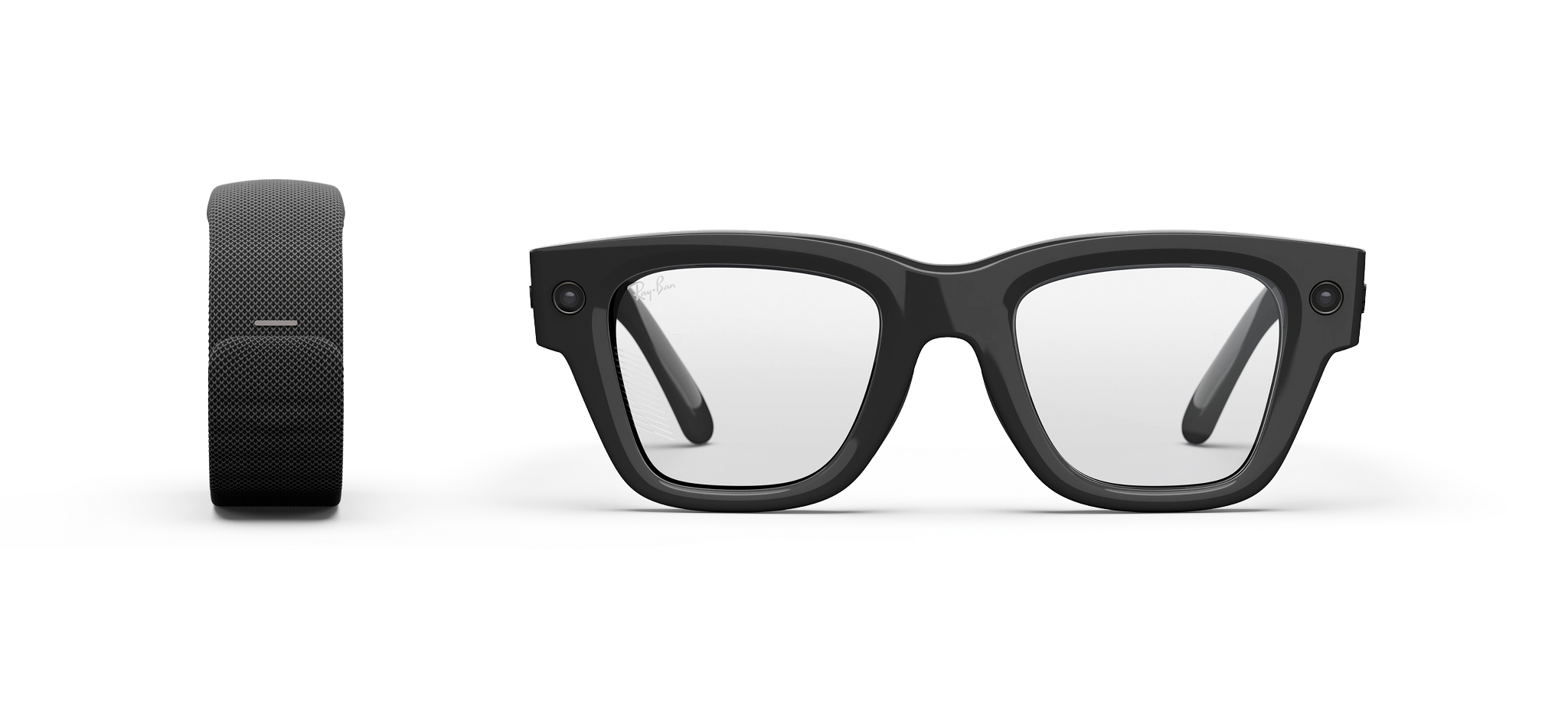
The move signals a clear shift: Meta doesn’t want its Ray-Ban Display glasses to remain a “cool gadget.” It wants them to become a real wearable computing platform.
For the official announcement and future update rollouts, users can track Meta’s updates through the Meta Newsroom.
Neural Handwriting Now Available for Everyone
The biggest update is Meta’s Neural Handwriting feature, which is now rolling out widely to all Meta Ray-Ban Display users. This feature works with Meta’s Neural Band, allowing users to type and compose messages using subtle finger gestures rather than tapping on a phone.
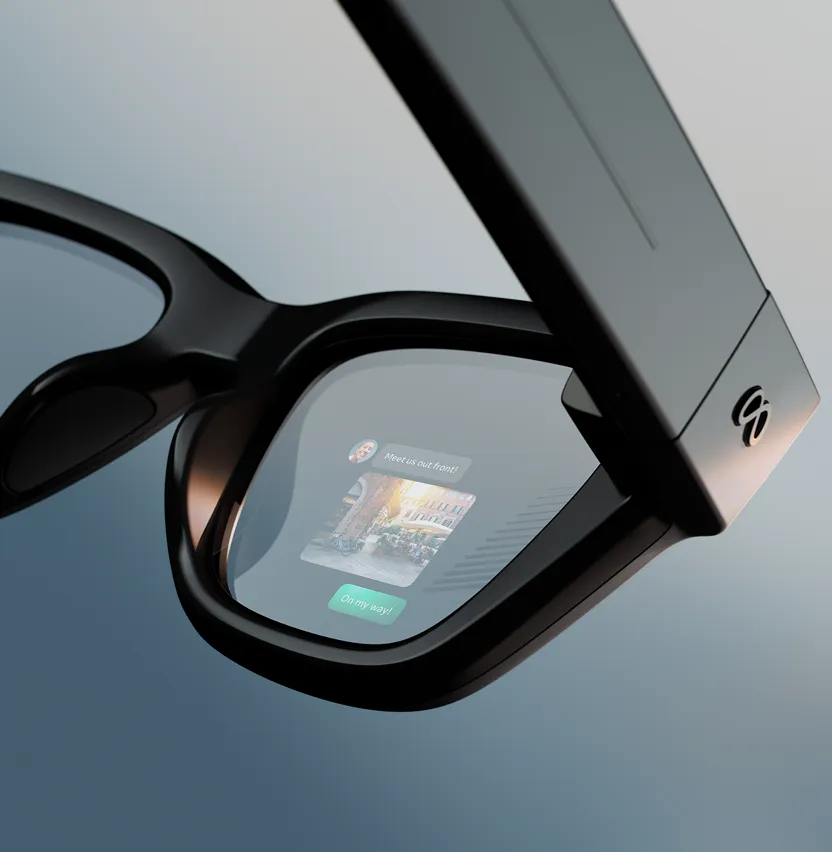
Meta says Neural Handwriting can be used with apps like Instagram, WhatsApp, Messenger, and standard messaging apps on both Android and iOS. That’s a major step forward for wearables, because it reduces the need to constantly pull out a phone for basic replies.
This upgrade fits into the broader trend of wearable devices becoming productivity tools rather than just notification screens, something we’ve also explored in our coverage of Apple’s smart glasses leak.
New Display Recording Mode Adds a “Screen Capture” Experience
Meta has also introduced a display recording feature, and it’s one of the most practical improvements so far.
Instead of only recording what the camera sees, the glasses can now combine:
- the content shown on the display
- the user’s camera feed
- audio input
into a single video file.
This means creators can record what they’re seeing and what they’re interacting with at the same time. It’s a feature that could become extremely popular for quick content creation, travel clips, tutorials, and even work demonstrations.
It also makes Meta’s Ray-Ban Display feel less like “smart glasses” and more like a lightweight wearable camera system.
Navigation Expands Beyond the US With Turn-by-Turn Support
Meta confirmed that turn-by-turn navigation is now available across the US, while also expanding to major international cities including London, Paris, and Rome.
That matters because navigation is one of the few killer-use-cases for wearable displays. Checking a route without unlocking your phone repeatedly is exactly the type of experience smart glasses are meant to deliver.
This upgrade makes the Ray-Ban Display platform far more useful for commuters, travelers, and city-based users.
Live Captions Now Work Inside WhatsApp and Instagram Direct
Another key feature expansion is Live Captions, which Meta is now extending into WhatsApp, Facebook Messenger, and Instagram Direct.
Live Captions can transcribe speech during:
face-to-face conversations
phone calls
voice interactions inside supported apps
This is a major accessibility improvement, but it also has real-world everyday value, especially for noisy environments, travel situations, and meetings.
WhatsApp itself has been actively adding privacy-focused features lately, and this update also connects well with what we covered in WhatsApp Incognito Chat with Meta AI.
Meta Is Quietly Building an Ecosystem, Not Just a Gadget
Meta’s Ray-Ban Display glasses have already received multiple software updates since their launch in September 2025.
Previous updates introduced widgets like reminders, weather, stocks, and calendar tools. Meta also improved music features, enabling faster access to Spotify playlists and expanding support for Instagram Reels.
Together, these updates show Meta’s real strategy: keep adding features until the glasses feel like a natural part of daily routine.
This direction is similar to how smartphone brands build ecosystems around connected devices, like Realme and Samsung are doing with their expanding wearable lineup.
Developer Preview Is the Most Important Announcement Here
While the consumer features are impressive, the biggest long-term shift is Meta opening developer access.
Meta has launched a developer preview program that allows third-party developers to build experiences for the glasses. Developers can create standalone web apps using standard tools like HTML, CSS, and JavaScript and deploy them through a URL.
Using Meta’s Wearables Device Access Toolkit, developers can also extend existing mobile apps to the glasses and add interface elements such as text, buttons, images, lists, and even video playback.
That’s important because smart glasses will never scale based only on Meta’s own ideas. They need third-party apps the same way smartphones did.
This is exactly why Meta’s Ray-Ban Display platform could become a serious competitor in the wearable space.
If you want to see how fast wearable ecosystems are evolving, our coverage of JioCarSync and wireless Android Auto / CarPlay expansion also shows how connected tech is becoming mainstream.
More AI Features Coming Later This Year
Meta also confirmed that its upcoming wearable-focused AI model, Muse Spark, is expected to roll out later this summer. The company describes it as a new AI model designed specifically for wearable devices.
This suggests Meta is building a separate AI stack for smart glasses instead of relying only on existing Meta AI systems.
That’s a major sign of commitment — because dedicated AI models usually indicate long-term platform planning, not short-term experimentation.
TechularZtrix Take: Meta’s Ray-Ban Display Is Becoming a Real Platform
This update makes one thing clear: Meta is accelerating its wearable ambitions aggressively.
Neural Handwriting solves a real usability problem. Recording mode adds creator value. Navigation and captions improve day-to-day practicality. And developer access transforms the Ray-Ban Display into something bigger than just smart eyewear.
If Meta continues shipping updates at this pace, the Ray-Ban Display could become one of the first smart glasses products that feels truly “mainstream-ready” — not because it looks futuristic, but because it quietly becomes useful.
Yes, Meta says Neural Handwriting is rolling out to all users, but availability may vary by region and rollout phase.
Yes, it works with Meta’s Neural Band accessory.
It records a combined video of what the glasses display shows, the camera feed, and audio, all merged into one clip.
Yes, Meta has launched a developer preview program that allows web apps and extensions for mobile apps.
Meta says Muse Spark is expected to roll out later this summer.