Google I/O 2026 Could Be the Turning Point for Android XR Smart Glasses: Here’s What to Expect
Quick Highlights
Google I/O 2026 is expected to be heavily focused on AI, but one of the most interesting storylines emerging ahead of the event is the future of Android XR smart glasses. With competition heating up from Meta and Apple’s ecosystem expansion, Google appears ready to push its software-first XR strategy into the spotlight through partner hardware announcements.
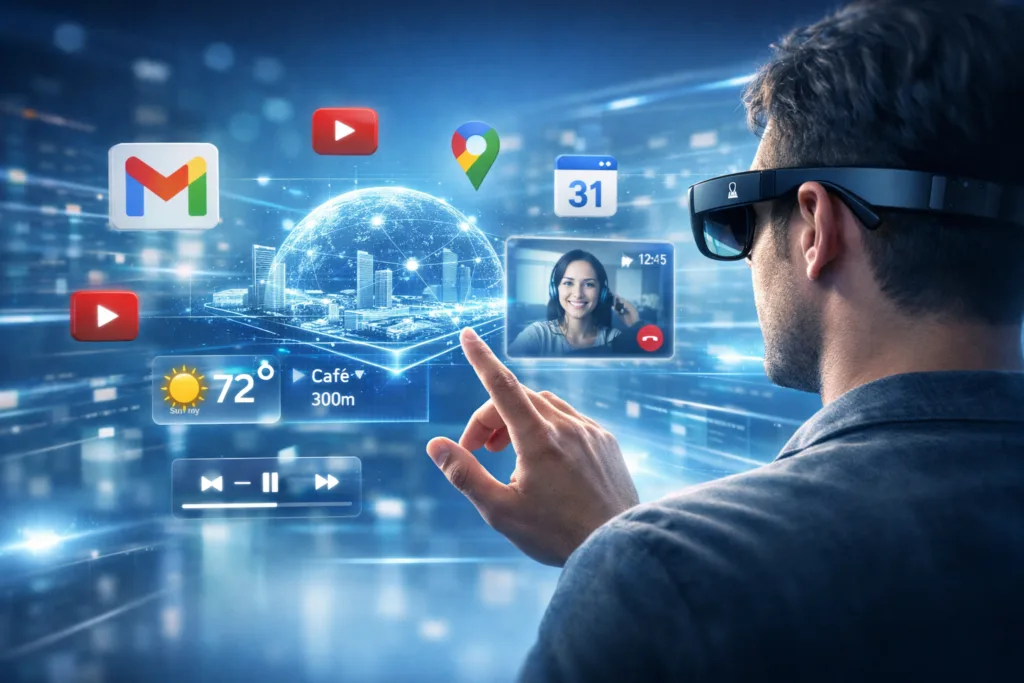
Instead of building a single flagship device like Google Glass, the company is now betting on a broader ecosystem powered by partners such as Xreal, Samsung, and fashion brands.
Android XR Strategy: Software First, Hardware Second
Unlike the original Google Glass era, Google is no longer positioning itself as the primary hardware manufacturer in the smart glasses space. Instead, the company is building Android XR as a platform layer, allowing multiple manufacturers to develop devices on top of it.
This approach is designed to scale faster and avoid the limitations that led to the decline of early standalone smart glasses products.
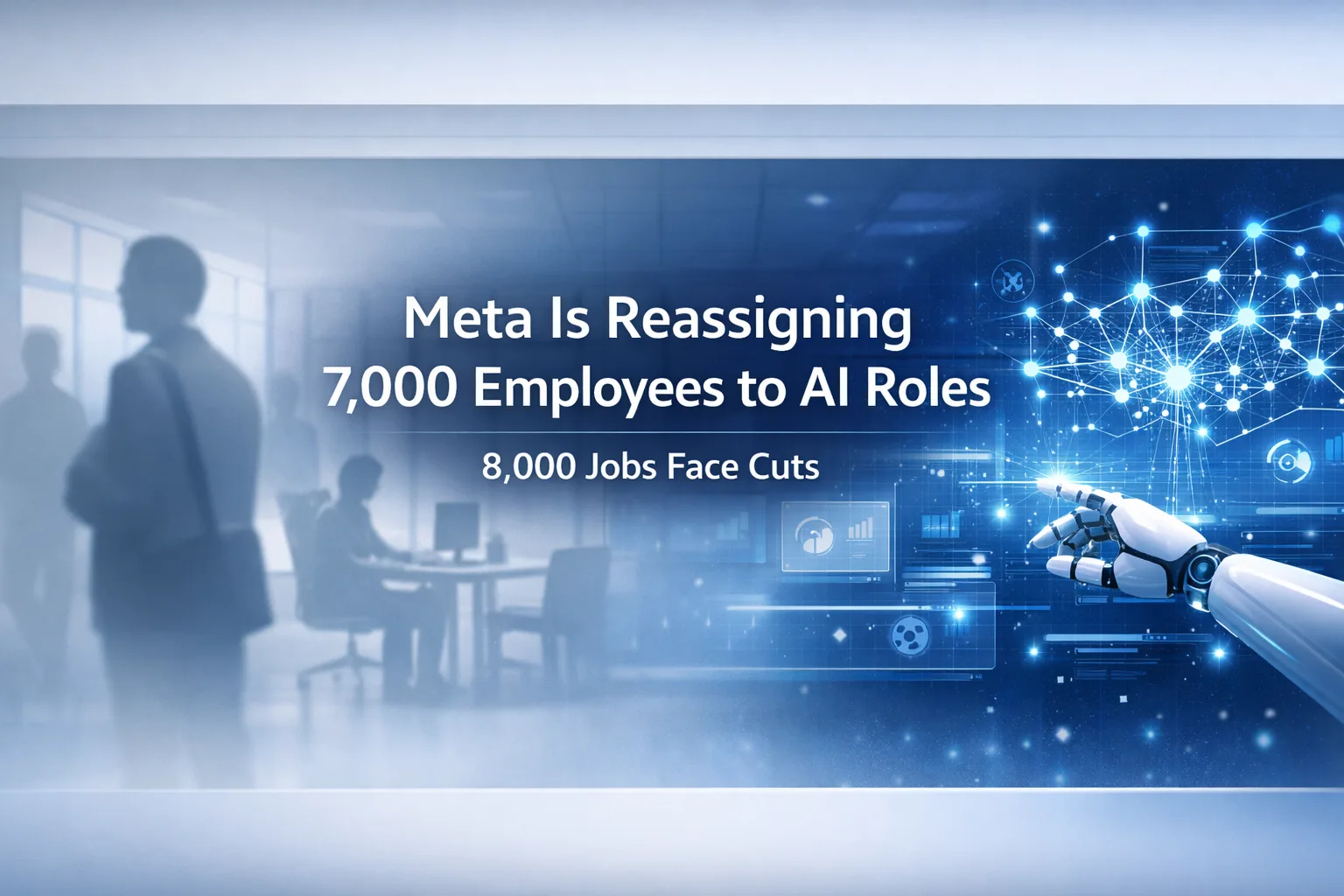
The strategy also aligns with broader ecosystem trends seen across the industry, where AI platforms are becoming more integrated across devices and services, similar to shifts discussed in Meta AI Layoffs: 7,000 Employees Reassigned as 8,000 Jobs Face Massive Cuts in Restructuring Shift, where companies are reorganizing around AI-first infrastructure models.
Xreal Project Aura: The Most Likely Reveal
One of the strongest candidates for an Android XR showcase is Xreal’s Project Aura smart glasses. Unlike fully standalone AR glasses, Aura is expected to rely on a connected compute puck that handles processing and power delivery.
This design allows the glasses themselves to remain lightweight while offloading heavy computation externally.
Key expected features include:
- Wired XR display output for stable performance
- External compute puck acting as controller and battery
- Large virtual display projection for productivity and media
- Camera-based tracking for interaction improvements
While less mobile than wearable AI glasses from competitors, this setup prioritizes performance and visual clarity, making it more suitable for workstation-style XR use cases.
Samsung’s Possible Android XR Entry
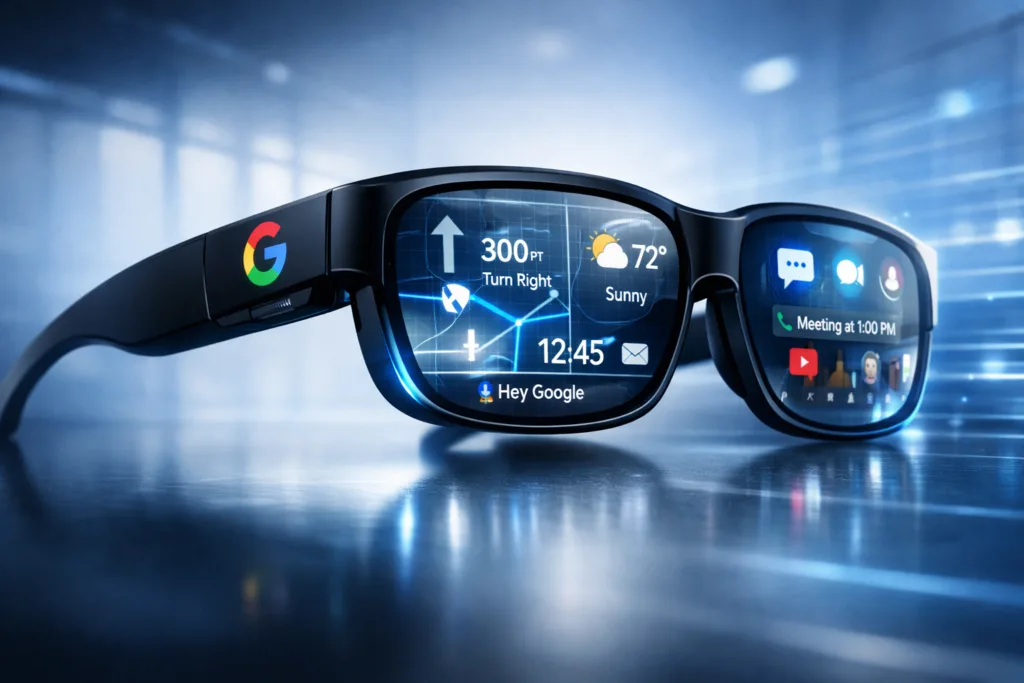
Samsung is also expected to play a role in the Android XR ecosystem, potentially revealing AI-powered smart glasses prototypes during or around Google I/O 2026.
Two categories are being discussed:
- A lightweight AI glasses model with camera and audio input but no display
- A more advanced version with integrated display capabilities (expected later)
The AI-focused version is likely to integrate deeply with Gemini, enabling contextual responses based on user activity, schedule, and environment.
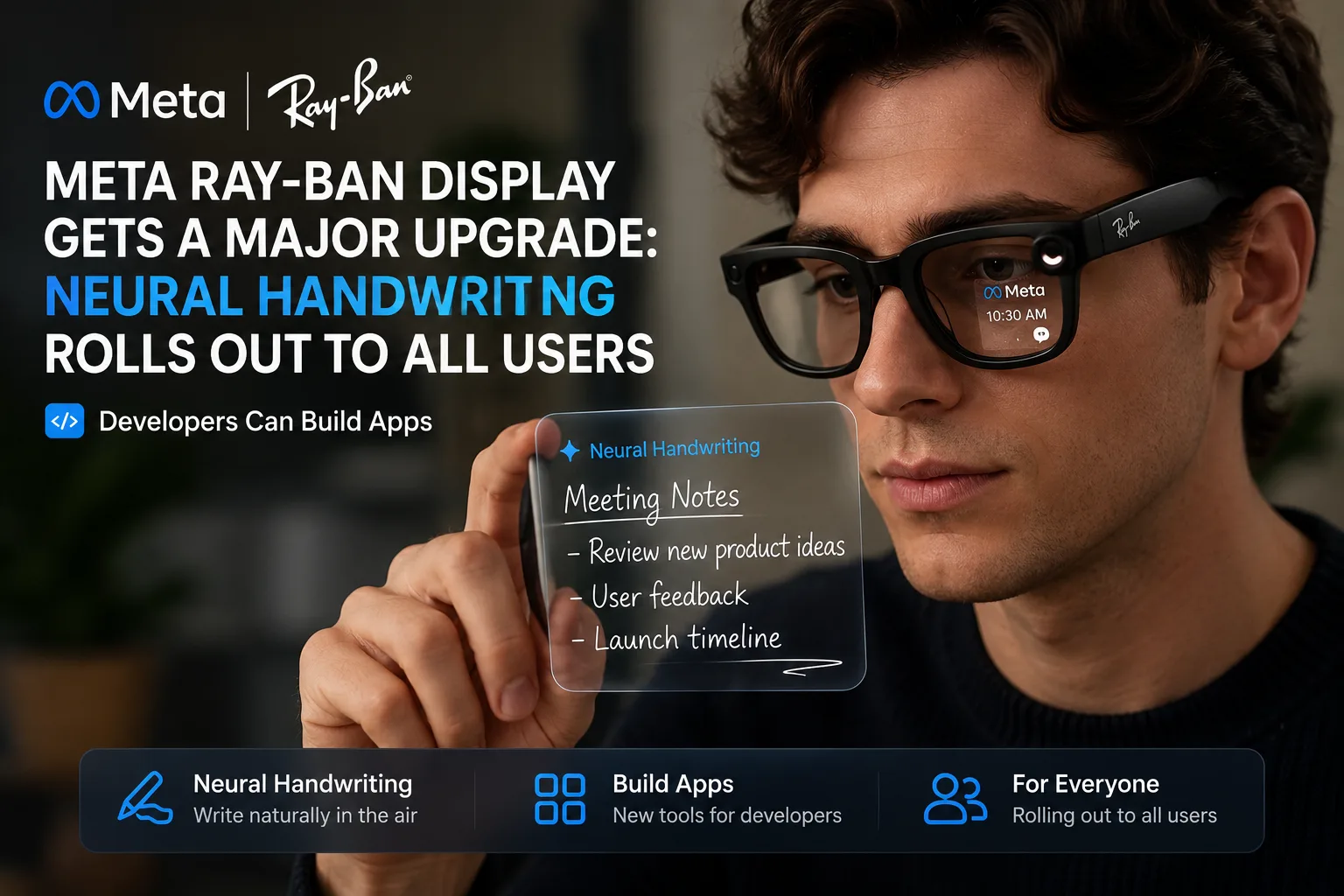
If priced competitively, Samsung’s entry could bring Android XR closer to mainstream adoption, competing directly with Meta’s Ray-Ban-style smart glasses segment.
This expansion into wearable AI devices reflects a broader trend where AI is moving beyond software into everyday hardware experiences, similar to innovations like YouTube Likeness Detection Tool Rolls Out to All Adult Creators: Deepfake Tracking Gets Serious, which shows how AI is increasingly embedded into user-facing platforms.
Fashion Brands Could Shape XR Adoption
Another major direction expected from Android XR is fashion integration. Instead of positioning smart glasses as purely tech devices, Google’s partners may collaborate with brands such as Gucci, Gentle Monster, and others to create lifestyle-oriented designs.
This mirrors strategies already seen in the wearable tech market, where design diversity plays a key role in user adoption. The goal is to move smart glasses beyond early adopters and into everyday fashion usage.
If executed properly, this could help Android XR avoid the “tech gadget” stigma that limited earlier smart glasses generations.
Why Google I/O 2026 Matters for XR
Google I/O is increasingly becoming an AI and platform-first event, but Android XR represents a critical long-term opportunity for the company.
Instead of competing directly with hardware-heavy ecosystems, Google is building a foundation where multiple manufacturers can innovate while staying connected through a unified Android XR layer.
This ecosystem-first approach could determine whether smart glasses become mainstream computing devices or remain niche accessories.
TechularZtrix Take
Android XR is shaping up to be Google’s most pragmatic attempt at entering the wearable computing space. Instead of repeating the Google Glass mistake of over-centralized hardware control, the company is building a distributed ecosystem strategy.
If Xreal and Samsung deliver strong implementations, Google could quietly become the backbone of the next major computing shift — not through hardware dominance, but through platform control.
For reference on Google’s Android XR ecosystem and partner strategy, see Google Android XR