Battery Life Explained: Myths vs Reality in Smartphones (2026)
Battery life is one of the most influential factors in how people judge a smartphone. Regardless of how powerful or expensive a device is, poor battery performance can quickly ruin the user experience. Even in 2026, when smartphone hardware has become more efficient, battery-related confusion continues to shape buying decisions and daily usage habits.
Many users still rely on outdated advice, misleading marketing claims, or oversimplified assumptions. This article explains the real science and practical reality behind smartphone battery life, separates myths from facts, and helps users understand what truly affects battery performance over long-term use. This article breaks down smartphone battery life myths that still mislead users in 2026.
Why Battery Life Still Determines Daily Smartphone Experience
A smartphone’s battery is not just a power source; it defines how dependable the device feels throughout the day. Battery anxiety affects productivity, communication, travel, and even safety. Users who constantly monitor battery percentage or carry chargers everywhere experience unnecessary friction in daily life.
Battery performance also directly influences upgrade cycles. Many users replace phones not because the device is slow or outdated, but because battery life has degraded to an inconvenient level. This makes battery efficiency a critical factor in any smartphone buying guide focused on long-term value rather than short-term appeal.
Understanding battery behavior helps users choose better devices and maintain them properly, reducing frustration and unnecessary spending.
Myth 1: Myth 1: Bigger Batteries and Smartphone Battery Life Myths
One of the most persistent myths is that a higher battery capacity, measured in milliampere-hours (mAh), guarantees longer battery life. While capacity does matter, it is only one part of a complex system.
Battery life is equally influenced by how efficiently the phone uses energy. A large battery paired with a power-hungry processor, inefficient software, or an unoptimized display can still drain quickly. Conversely, a smaller battery combined with efficient hardware and intelligent software management can deliver excellent endurance.
This is why real-world battery tests often show unexpected results, where phones with modest battery sizes outperform devices with much larger batteries. Battery capacity should always be evaluated alongside efficiency, not in isolation.
Reality: Software Optimization Is the Foundation of Battery Efficiency
In modern smartphones, software plays a decisive role in how battery power is consumed. Operating systems in 2026 actively manage background processes, limit unnecessary app activity, and optimize power usage based on user behavior.
Well-optimized software can:
- Reduce idle power drain
- Prevent apps from consuming power in the background
- Manage CPU performance dynamically
- Control thermal output during heavy tasks
This is also why some phones improve battery life after software updates rather than worsen it. When updates are designed properly, they refine power management instead of increasing load. Battery efficiency is no longer just a hardware issue—it is a software responsibility as well.
Myth 2: Fast Charging Always Damages the Battery
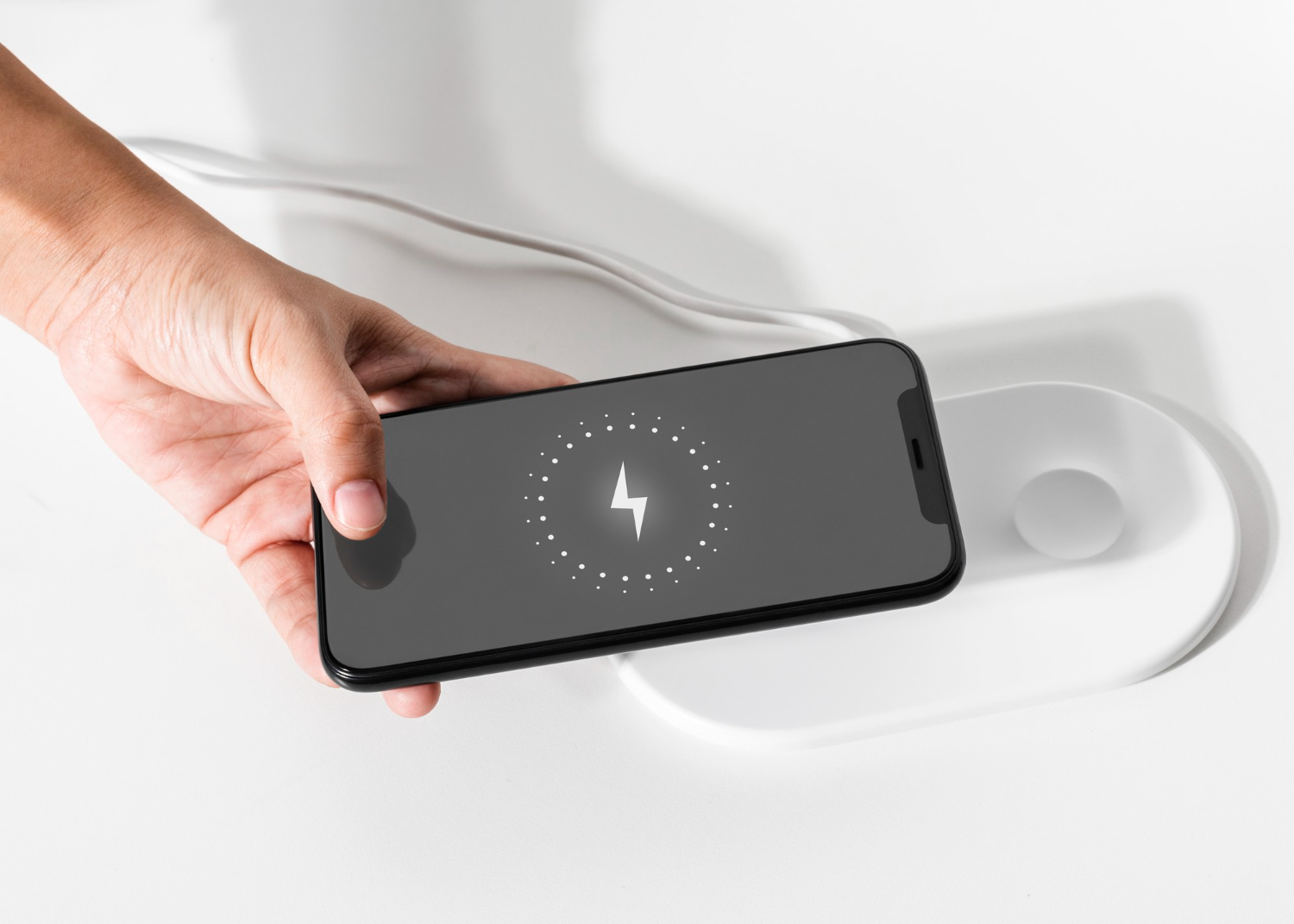
Fast charging has long been viewed as harmful, but this belief is largely outdated. Modern smartphones use sophisticated charging systems that carefully regulate voltage, current, and temperature throughout the charging process.
Fast charging works by delivering higher power only during the early stages of charging, when the battery can safely accept it. As the battery level rises, charging speed automatically slows down to protect battery health. This controlled process prevents excessive stress on the battery cells.
Fast charging itself is not dangerous. The real risk comes from poor thermal management, cheap chargers, or prolonged exposure to high temperatures during charging.
Reality: Heat Is the Primary Cause of Battery Degradation
Heat is the single most damaging factor for lithium-ion batteries. High temperatures accelerate chemical aging inside the battery, permanently reducing its ability to hold charge.
Heat buildup commonly occurs when:
- Charging while gaming or streaming
- Using uncertified or low-quality chargers
- Charging in direct sunlight or hot environments
- Blocking airflow around the device during charging
This explains why battery degradation over time happens gradually in all smartphones, regardless of brand or price. Managing heat exposure is far more effective than worrying about charging speed alone.
Myth 3: Batteries Must Be Fully Drained Before Recharging
This myth originates from older battery technologies and no longer applies to modern lithium-ion batteries. Fully draining a smartphone battery before charging actually places additional stress on the battery cells.
Modern batteries perform best when they are kept within moderate charge levels. Frequent deep discharges increase wear and accelerate aging. Partial charging, even multiple times a day, is perfectly safe and often healthier for the battery.
Apple explains modern battery behavior and health management clearly in its official documentation, confirming that deep discharge cycles are unnecessary.
Reality: Daily Charging Habits Shape Long-Term Battery Health
Battery lifespan is influenced more by daily habits than by occasional charging decisions. Consistent exposure to heat, prolonged high charge levels, and poor charging accessories gradually reduce battery health.
Healthy long-term charging practices include:
- Avoiding unnecessary overnight charging
- Using certified or original chargers
- Keeping adaptive charging features enabled
- Charging in cool, well-ventilated environments
These habits slow down chemical aging and help maintain usable battery capacity for several years.
Displays Are One of the Biggest Battery Drainers
Smartphone displays consume a significant portion of battery power, especially in modern devices with large screens and high refresh rates. Brightness levels and refresh behavior have a direct impact on battery drain.
High refresh rates increase smoothness but also increase power consumption when used constantly. Adaptive refresh rate technology helps balance performance and efficiency by increasing refresh only when needed.
Similarly, high brightness levels dramatically increase power usage, especially outdoors. Automatic brightness and dark mode on OLED displays can noticeably extend daily battery life without compromising usability.
Background Apps and Invisible Power Drain
Many users experience unexplained battery drain due to background app activity. Some apps continue syncing data, tracking location, or refreshing content even when not actively used.
Modern operating systems attempt to limit this behavior, but poorly optimized apps can still consume excessive power. Reviewing app permissions, disabling unnecessary background activity, and uninstalling unused apps can significantly improve battery performance.
Google explains how background processes affect power usage and how Android manages energy efficiency at the system level.
Myth 4: Battery Health Drops Rapidly After One Year
Battery health does decline over time, but not nearly as fast as many users believe. Most modern smartphone batteries are designed to retain a substantial portion of their capacity after hundreds of charge cycles.
Gradual decline is normal and does not indicate failure. Battery aging depends on usage intensity, heat exposure, and charging habits rather than time alone. A phone with good battery management can remain perfectly usable for several years.
Understanding this prevents unnecessary panic and premature upgrades.
What Battery Life Should Realistically Look Like in 2026
In 2026, a well-designed smartphone should comfortably last a full day under moderate to heavy use. Battery health should remain stable enough to support daily usage for multiple years without major inconvenience.
Modern phones should also provide transparent battery health reporting and intelligent power management features that adapt to user behavior. Battery life should be judged over months of use, not just during the first week.
Final Verdict: Battery Life Is About Efficiency and Habits
Smartphone battery life in 2026 is not defined by battery size alone. It is shaped by efficiency, software optimization, thermal management, and user behavior.
The reality is clear:
- Bigger batteries do not guarantee longer life
- Fast charging is safe when managed correctly
- Heat causes real, long-term damage
- Daily habits matter more than occasional charging choices
Understanding smartphone battery life myths helps users extend battery health and make smarter decisions.