
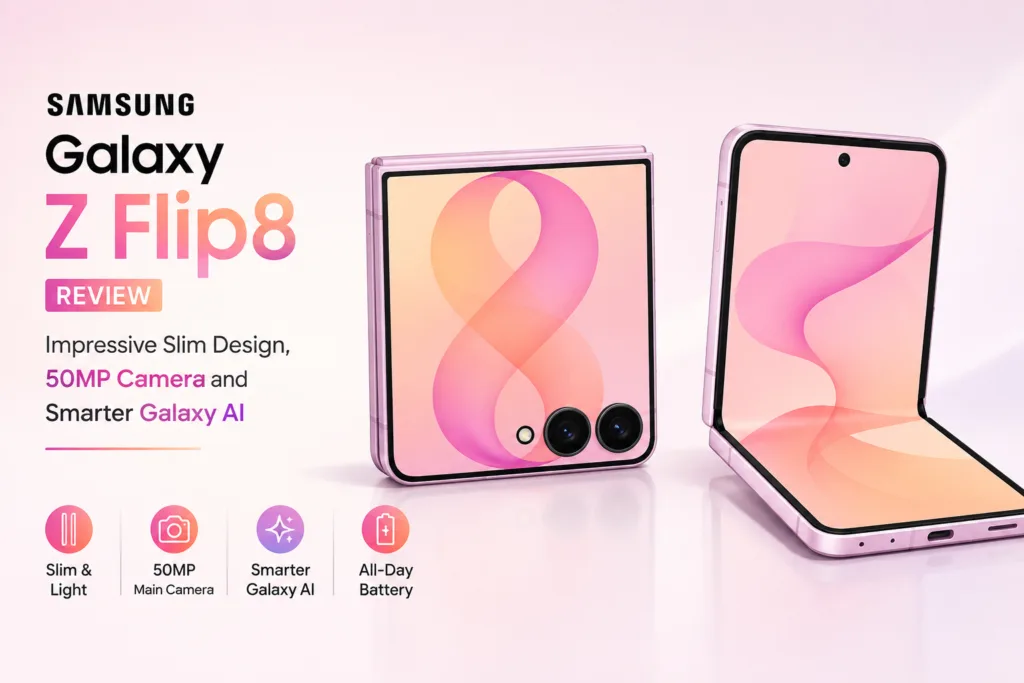
Samsung Galaxy Z Flip8 Review: Impressive Slim Design, 50MP Camera and Smarter Galaxy AI
Samsung’s Galaxy Z Flip series has always taken a different approach to foldables. While the Galaxy Z Fold lineup is designed around…
SMARTPHONE REPORTEXPLORE
 TECHULARZTRIXTMPrecision Technology Editorial
TECHULARZTRIXTM
Buying a smartphone in 2026 is no longer about chasing the most expensive model or the highest specifications. Modern smartphones have reached a level of maturity where long-term usability, software support, and real-world performance matter far more than benchmark scores…
TechularZtrixEDITORIAL DESK · UPDATED 
Buying a smartphone in 2026 is no longer about chasing the most expensive model or the highest specifications. Modern smartphones have reached a level of maturity where long-term usability, software support, and real-world performance matter far more than benchmark scores or marketing numbers.
This smartphone buying guide explains what truly matters in 2026, helping users make informed decisions that deliver reliability, value, and longevity rather than short-term excitement.
Before comparing brands or prices, the most important step is understanding how the smartphone will actually be used. Many users overspend on features they never touch while ignoring aspects that directly affect daily experience.
Typical usage patterns include:
If usage is primarily casual, a well-optimized mid-range phone can often provide a better long-term experience than an expensive flagship. Understanding when you should replace your smartphone also helps buyers avoid unnecessary upgrades and spend wisely.
In 2026, smartphone processors are powerful enough for most real-world tasks. What separates a good experience from a frustrating one is consistency, not peak performance.
Important performance factors include:
Performance issues often appear over time due to poor storage management. Understanding how smartphone storage really affects performance helps buyers avoid slowdowns and lag after prolonged use.
Software support is one of the most critical factors in smartphone longevity. A phone without updates becomes insecure, incompatible with newer apps, and outdated far earlier than its hardware lifespan.
Long-term updates affect:
Apple clearly documents its update and security lifecycle through its official platform security resources, while Google explains Android’s security update system and requirements in detail.
Understanding how smartphone updates affect long-term performance helps users choose devices that remain reliable for years.
Battery life impacts daily usability more than most features. In 2026, many phones can last a full day, but battery degradation over time depends on charging habits, heat control, and software optimization.
Key considerations include:
Aggressive charging speeds may look impressive, but balanced charging preserves long-term battery health. Understanding the truth behind battery claims is covered in battery life myths vs reality.
Smartphone displays have improved significantly, but higher numbers do not always translate into better usability. What matters is how the display performs during extended daily use.
Key display factors:
A comfortable display improves reading, browsing, and content consumption without excessive battery drain.
Camera performance is often misunderstood because marketing focuses on megapixels rather than real-world results. Image quality depends on sensor size, processing algorithms, and stabilization.
Independent testing platforms consistently show that software tuning plays a larger role than raw hardware. DXOMARK evaluates smartphones using standardized real-world scenarios rather than manufacturer claims.
External reference:
Understanding camera features that actually matter helps buyers avoid misleading specifications.
Apps, system updates, and media files grow larger every year. Choosing insufficient storage often leads to slowdowns, frequent cleanups, and forced upgrades.
Smart storage planning includes:
Adequate storage directly impacts long-term performance and usability.
Smartphones are daily-use devices, making durability essential. Design should balance aesthetics with protection.
Important durability factors:
Understanding IP ratings, drop resistance, and materials helps buyers choose phones that survive real-world usage.
Smartphones store sensitive personal and financial data, making security a critical buying factor.
Essential security features:
Both Apple and Google publish detailed documentation on how mobile security frameworks protect users.
External references:
Following smartphone security best practices ensures long-term data protection.
The best smartphone is not always the most expensive one. True value comes from long-term usability, not launch-day prestige.
Smart buying strategies include:
A well-chosen phone can remain reliable for several years without compromise.
In 2026, the best smartphone is one that:
Focusing on these fundamentals leads to better value, longer satisfaction, and fewer unnecessary upgrades.
Samsung’s Galaxy Z Flip series has always taken a different approach to foldables. While the Galaxy Z Fold lineup is designed around…
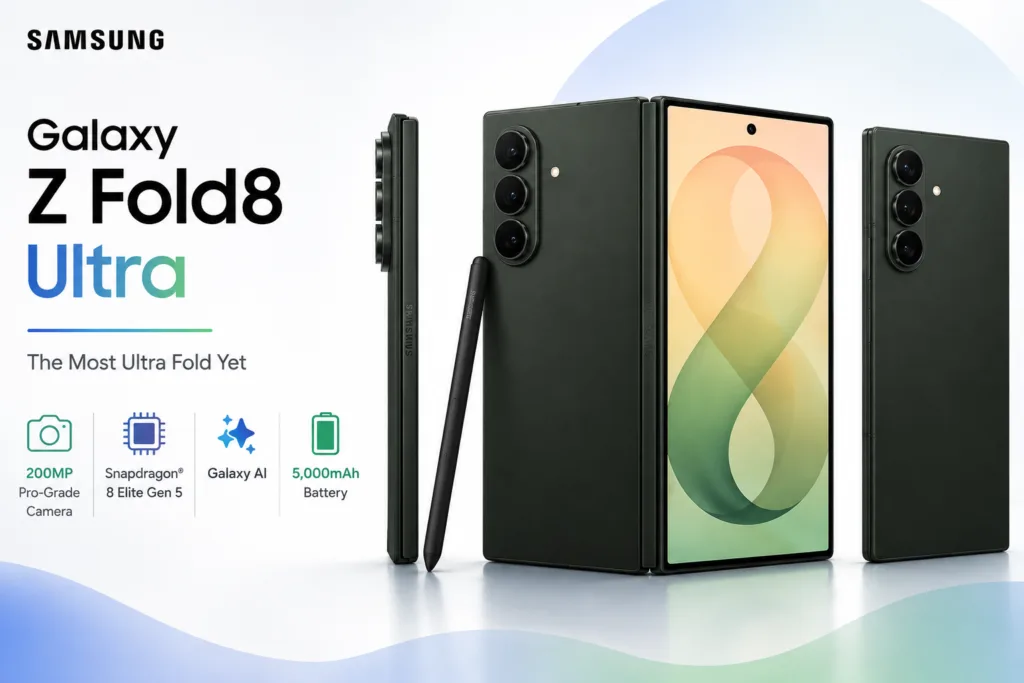
Samsung has officially expanded its foldable lineup with the Galaxy Z Fold8 Ultra, introducing what the company describes as its most capable…

Honor has officially launched the new Honor X70 Pro Max in China, adding another battery-focused smartphone to a market that is rapidly…