When Should You Replace Your Smartphone? Critical Signs You Shouldn’t Ignore in 2026
Replace your smartphone: understanding the right timing in 2026
Replace your smartphone is a decision many users delay longer than they should. Modern smartphones are more powerful and durable than ever, but they are not designed to last indefinitely. Over time, performance declines, security risks increase, and user experience degrades in ways that are not always immediately obvious.
In 2026, replacing a smartphone is less about chasing new features and more about maintaining reliability, security, and long-term usability. Understanding the warning signs helps users avoid frustration, data risks, and unnecessary repair costs.
This article explains when replacement becomes the smarter choice, based on performance, battery health, software support, and real-world usage.
Performance slowdowns that affect daily use
Occasional lag is normal, but persistent slowdowns signal deeper limitations. When apps take longer to open, multitasking becomes unreliable, or system animations stutter regularly, hardware constraints are often the cause.
As operating systems evolve, older processors struggle to handle modern app demands efficiently. Storage wear and memory limitations also contribute to declining responsiveness. If performance issues interfere with basic tasks such as messaging, browsing, or navigation, it may be time to replace your smartphone rather than tolerate degraded usability.
Battery degradation that disrupts reliability
Battery health remains one of the most common reasons users replace their smartphone. Lithium-ion batteries degrade gradually, reducing capacity and peak power delivery.
Signs of battery-related replacement needs include:
- Rapid percentage drops
- Unexpected shutdowns
- Noticeably shorter daily endurance
- Throttled performance under load
Apple explains battery aging and performance behavior clearly in its official battery documentation.
–>> https://support.apple.com/en-us/HT208387
If battery replacement is unavailable, expensive, or fails to restore reliability, replacing the device becomes the more practical option.
Software updates and security support ending
Security is a non-negotiable factor in modern smartphone use. Devices that stop receiving operating system and security updates become increasingly vulnerable over time.
Outdated phones lack protection against newly discovered exploits, phishing techniques, and malicious apps. This risk grows silently, even if the device appears to function normally.
This is why smartphone security considerations play a major role in deciding when to replace your smartphone, especially for users who rely on mobile payments, cloud services, or work-related apps.
Storage limitations affecting performance
As apps grow larger and operating systems require more space, limited storage can severely impact performance. Constant storage warnings, failed updates, and aggressive app management indicate the device has reached its practical limits.
Storage constraints also accelerate wear on internal memory, further reducing long-term reliability. When storage expansion is not possible and optimization no longer helps, replacement becomes the most efficient solution.
Hardware wear and physical reliability
Physical durability declines over time. Worn charging ports, degraded buttons, weakened speakers, and compromised water resistance all affect usability.
While individual repairs may be possible, cumulative hardware issues often signal diminishing returns. Replacing the device can restore reliability and reduce ongoing maintenance costs.
Compatibility with modern networks and accessories
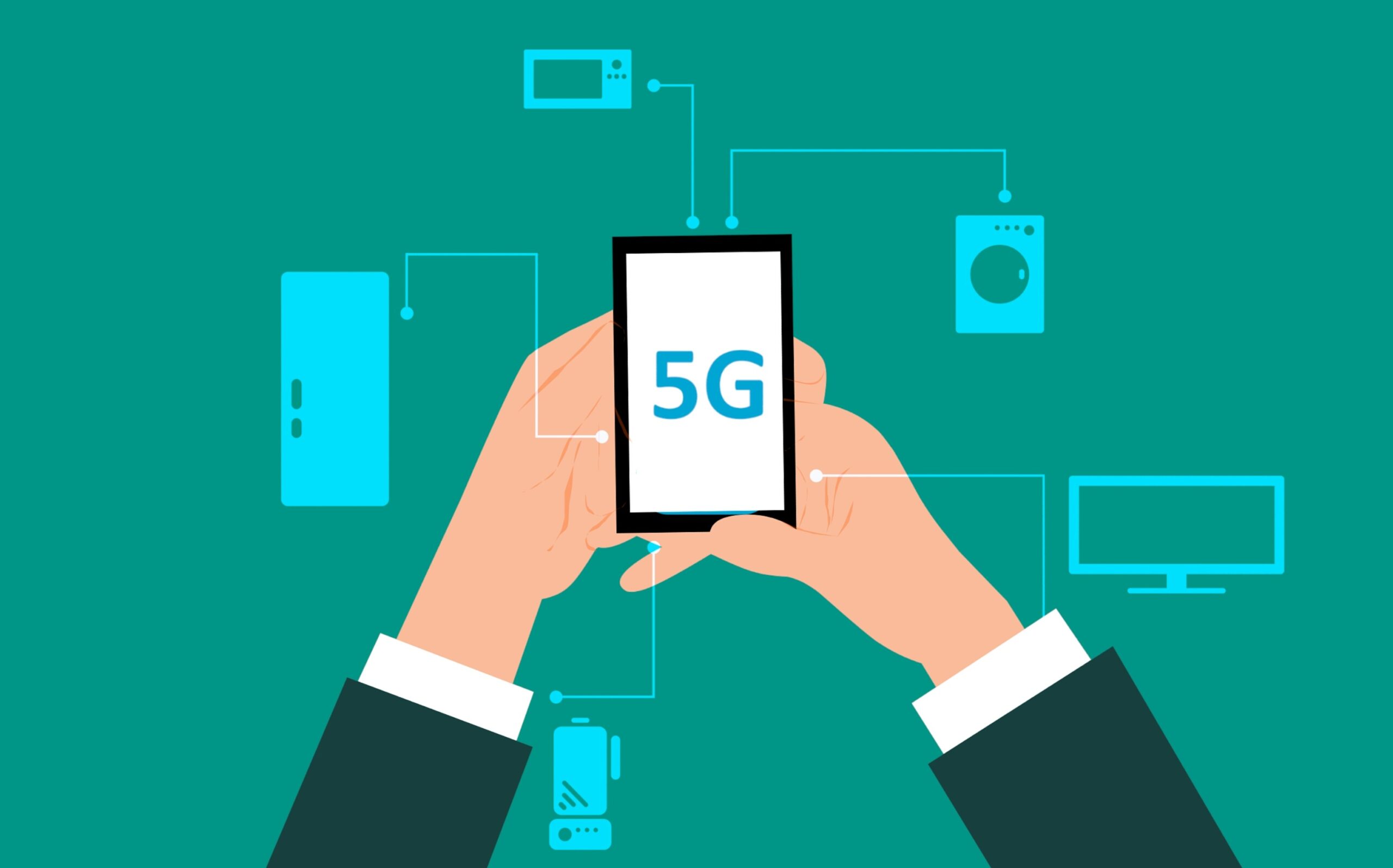
Network technologies, charging standards, and accessories evolve continuously. Older smartphones may lack support for newer connectivity standards, resulting in reduced performance or compatibility issues.
Users planning long-term smartphone use should consider whether their device supports current networks, security protocols, and accessory ecosystems. This principle is explored further in Smartphone Buying Guide: What Matters Most in 2026.
Cost-benefit reality: repair vs replacement
At a certain point, repairs become less economical than replacement. When repair costs approach a significant percentage of a new device’s value, replacement offers better long-term value.
Modern smartphones also deliver efficiency improvements that reduce daily friction, from better battery management to improved security and performance optimization.
Key takeaways:
Knowing when to replace your smartphone is about recognizing diminishing returns. Persistent performance issues, battery degradation, lack of security updates, and hardware wear are clear indicators that replacement is the safer and more cost-effective choice.
In 2026, smartphones function as essential digital tools. Replacing them at the right time protects data, improves daily reliability, and ensures continued compatibility with modern software and services.
For users focused on long-term value, replacement should be driven by usability and security—not marketing pressure.