AI Privacy in Smart Technology: 7 Critical Data Types Devices Collect

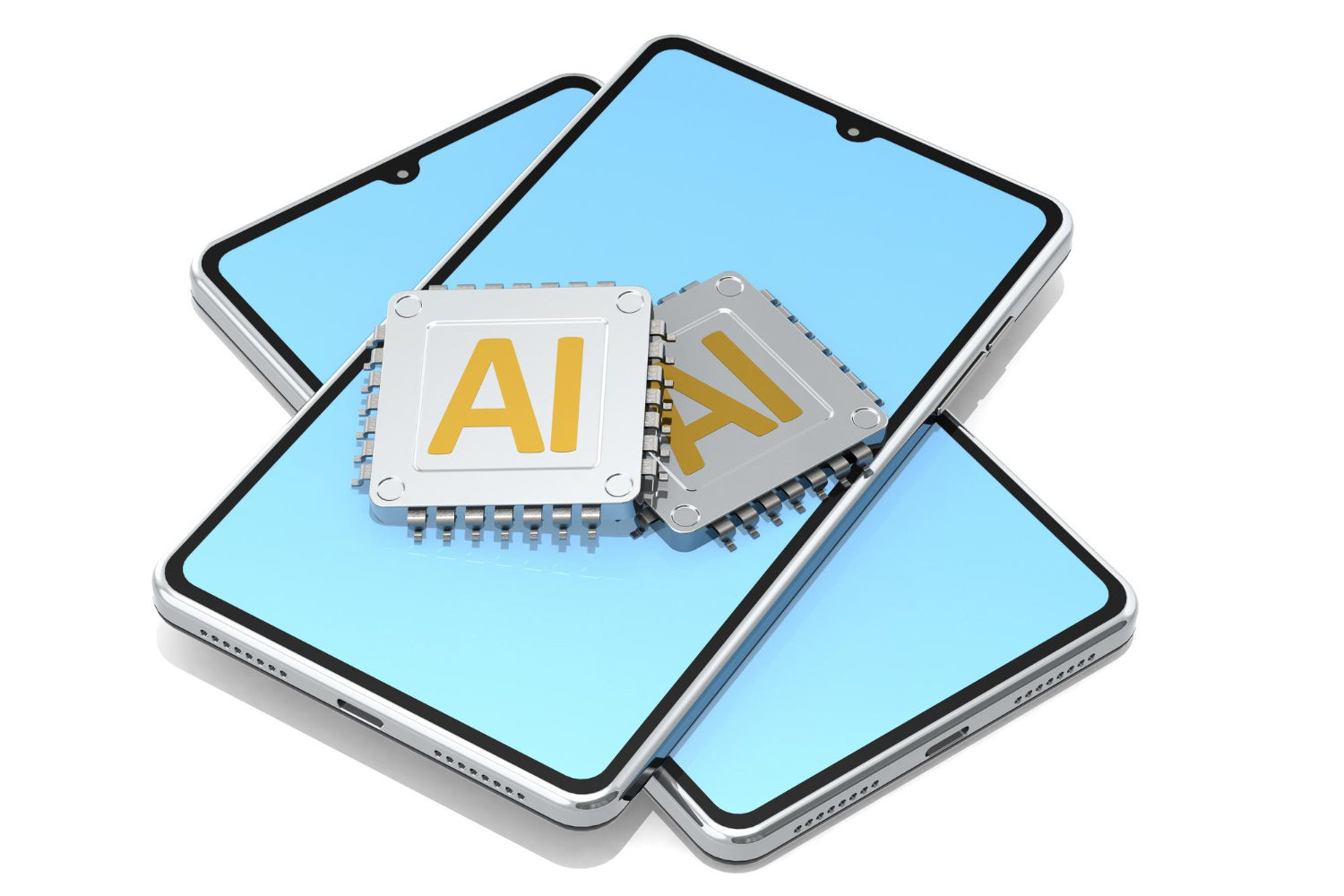
AI privacy in smart technology has become one of the most important concerns as artificial intelligence becomes deeply embedded in everyday devices. Smartphones, smart speakers, wearables, and home automation systems rely on AI to function smoothly, but that intelligence depends on data.
Understanding what data is collected, why it is collected, and how it is used is essential for users who want the benefits of smart technology without unnecessary privacy risks. This article explains the reality behind AI data collection by breaking it down into seven specific data types, avoiding fear-driven assumptions and focusing on practical facts.
Why AI Privacy in Smart Technology Matters
Smart devices no longer operate as isolated tools. They adapt, personalize, and optimize continuously. To do this, AI systems require input signals—usage patterns, environmental context, and behavioral indicators.
Concerns arise when data collection is misunderstood as surveillance. In reality, most modern systems are designed to balance functionality with privacy safeguards, especially in consumer ecosystems similar to those discussed in AI Inside Smartphones, where on-device processing increasingly limits data exposure.
1. AI Privacy in Smart Technology and Usage Behavior Data
One of the most common data types collected is usage behavior. This includes how often an app is opened, which features are used, and interaction timing.
AI uses this data to improve responsiveness and personalize experiences. Importantly, this information is typically aggregated and anonymized rather than tied directly to individual identity.
2. AI Privacy in Smart Technology and Device Performance Data
Smart devices collect performance metrics such as battery usage, temperature, memory load, and crash reports.
This data allows AI systems to optimize efficiency and stability. It helps devices predict failures, manage energy consumption, and maintain consistent performance without exposing personal content.
3. AI Privacy in Smart Technology and Sensor-Based Environmental Data
Sensors provide critical context. Smart thermostats measure temperature and humidity. Wearables track motion and heart rate patterns. Smart lighting systems detect room occupancy.
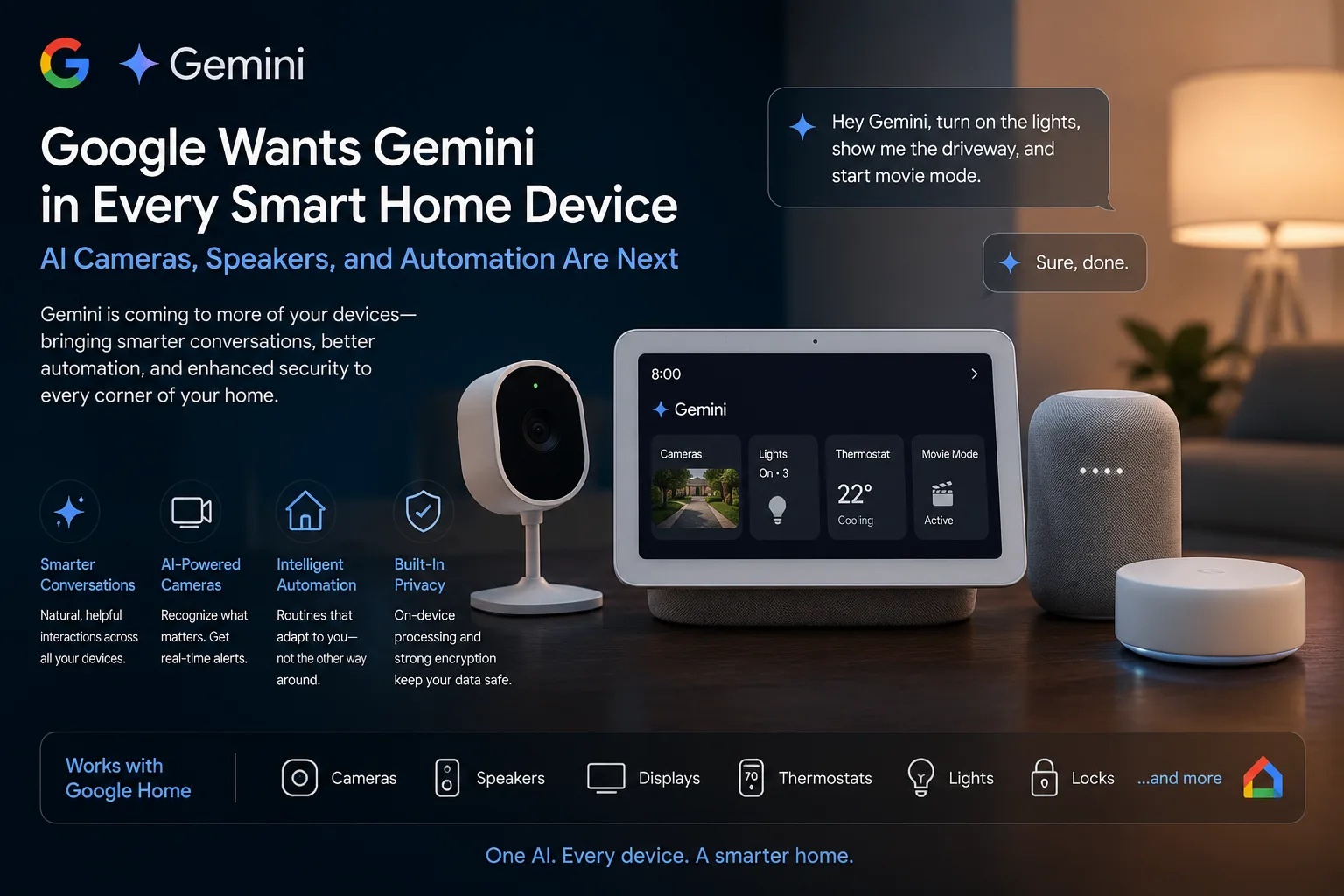
These inputs enable automation and adaptation, particularly in connected environments like those explored in Smart Home Technology Powered by AI, where contextual awareness improves convenience without requiring constant user input.
4. AI Privacy in Smart Technology and Voice Interaction Signals
Voice-enabled devices rely on short audio samples to detect wake words and commands. Contrary to popular belief, most systems do not record continuously.
AI models process brief audio triggers locally or temporarily to respond to requests. Long-term storage, when used, is usually optional and controlled through privacy settings.
5. AI Privacy in Smart Technology and Location Context
Location data enables navigation, weather updates, and location-aware suggestions. AI uses this data to provide relevance, not surveillance.
Modern systems increasingly rely on coarse or approximate location signals rather than precise tracking, minimizing privacy exposure while preserving functionality.
6. AI Privacy in Smart Technology and Preference Learning
AI systems learn preferences over time—language choice, notification habits, accessibility settings, and interaction patterns.
This data helps AI adapt to individual users without requiring repeated manual configuration. In many cases, preference data is stored locally or synced securely across a user’s own devices.
7. AI Privacy in Smart Technology and Security Signals
Security-related data includes biometric patterns, anomaly detection signals, and authentication attempts.
AI uses this data to detect fraud, unauthorized access, or abnormal behavior. These systems are designed to enhance protection rather than expose sensitive information.
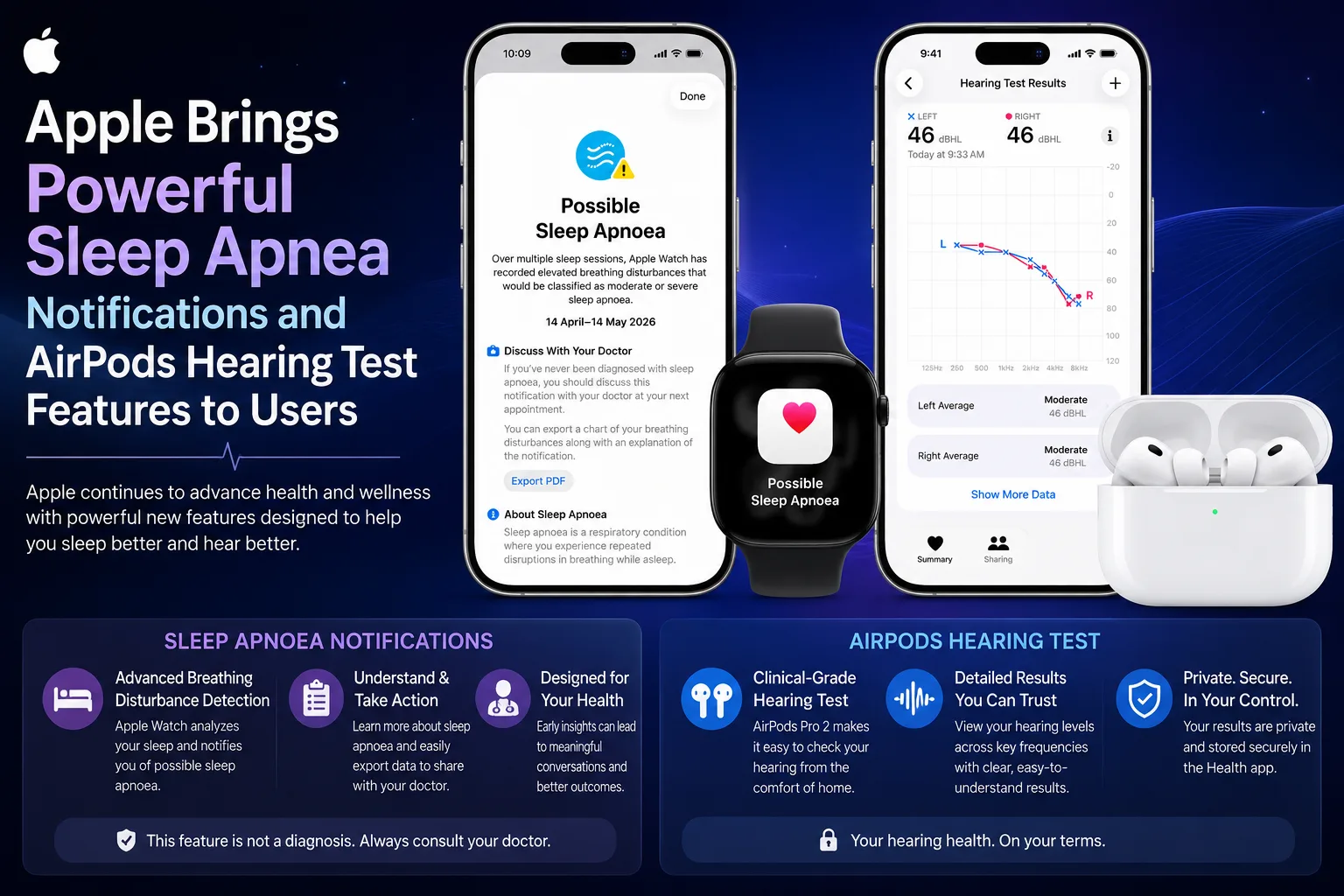
Major technology companies publicly document these safeguards. For example, Apple outlines how AI-driven features prioritize privacy through on-device processing and minimized data collection:
https://www.apple.com/privacy/
What AI Privacy in Smart Technology Does Not Mean
AI privacy does not imply zero data usage. It means responsible, limited, and transparent data handling. AI systems function best when data collection is purposeful and constrained, not excessive.
Understanding this distinction helps users evaluate privacy policies realistically rather than reacting to misinformation.
How Users Can Control AI Privacy in Smart Technology
Most smart platforms provide privacy dashboards, permission controls, and data management tools. Users can:
- Review data access permissions
- Disable unnecessary features
- Manage voice and activity history
- Control cloud synchronization
Informed usage strengthens privacy without sacrificing functionality.
The Future of AI Privacy in Smart Technology
AI privacy design is shifting toward local processing, data minimization, and user transparency. As regulations evolve and consumer awareness grows, smart technology will continue moving toward privacy-preserving intelligence.
This evolution benefits both users and developers by building trust into intelligent systems.
Key Takeaways:

AI privacy in smart technology is about understanding—not fearing—data usage. Smart devices collect specific types of information to function effectively, not to monitor users. When designed responsibly, AI systems balance personalization, security, and privacy. Users who understand these data types can make informed choices and use smart technology with confidence.