Dreamie Alarm Clock Review: The Surprisingly Smart Gadget That Finally Helped Me Quit Bedtime Scrolling
Quick Highlights
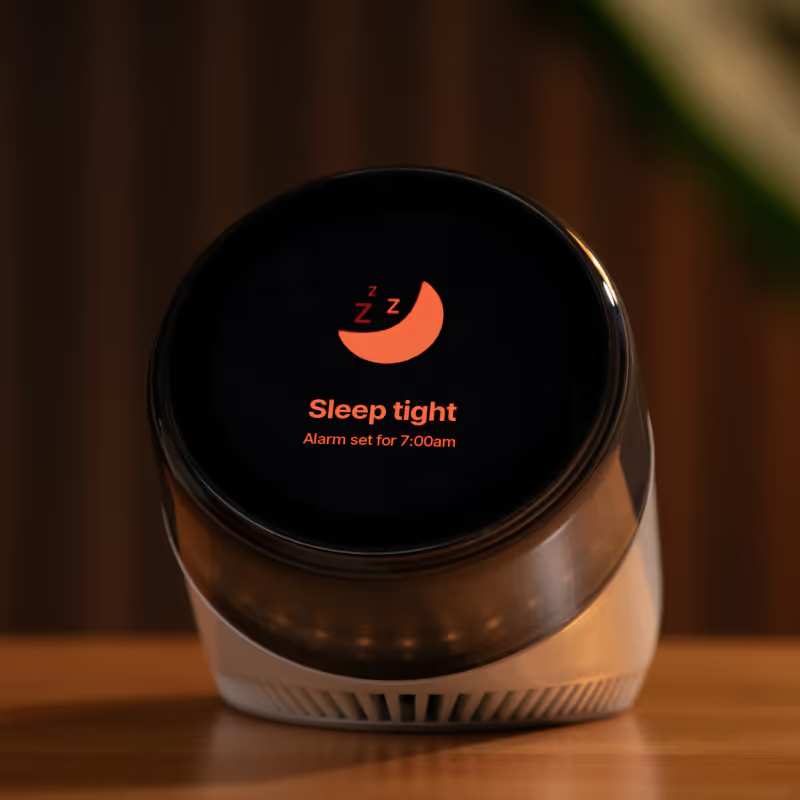
The Dreamie alarm clock might sound like just another overpriced smart gadget at first glance, but it solves a problem millions of people quietly struggle with every night — being unable to stop using their phone in bed.
In a world where smartphones have completely taken over our sleep routines, Dreamie approaches the problem differently. Instead of simply acting as an alarm clock, it tries to replace the reason your phone stays beside your pillow in the first place.
And honestly, that’s what makes it interesting.
Dreamie Isn’t Really About Telling Time
At its core, Dreamie is trying to solve a modern sleep problem: phone dependency.
Most people no longer keep their phone beside the bed just for alarms. Phones have quietly become sleep machines, podcast players, white-noise generators, audiobook devices, and middle-of-the-night distractions all at once.
Dreamie essentially replaces that entire workflow.
The device starts with a “Wind Down” mode that acts as a pre-sleep routine. Users can configure soft ambient sounds, dim lighting effects, and relaxing audio before bedtime. The system then transitions into a continuous “Noise Mask” mode that plays calming background sounds like rainstorms, fireplaces, or white noise throughout the night.
The overall idea feels surprisingly thoughtful instead of gimmicky.
The Podcast Feature Is the Real Star
What genuinely separates Dreamie from regular smart alarm clocks is its built-in podcast support.
Instead of reaching for your phone during a sleepless night, Dreamie lets you instantly play pre-selected podcasts or calming audio directly from the device itself.
That matters more than it sounds.
Most people know the dangerous cycle:
you wake up at 2 AM, grab your phone to play something relaxing, accidentally open notifications, check messages, scroll social media, and suddenly lose two hours of sleep.
Dreamie tries to break that habit completely.
Its “Back to Sleep” mode allows users to instantly resume calming audio without exposing themselves to endless phone distractions. The device can even preload podcast episodes ahead of time, avoiding late-night browsing entirely.
The system relies on RSS podcast feeds, which means it works independently without locking users into a single ecosystem.
That open approach honestly feels refreshing today, especially while platforms continue building increasingly closed ecosystems around audio content.
Dreamie Feels Designed by Someone Who Actually Struggles With Sleep
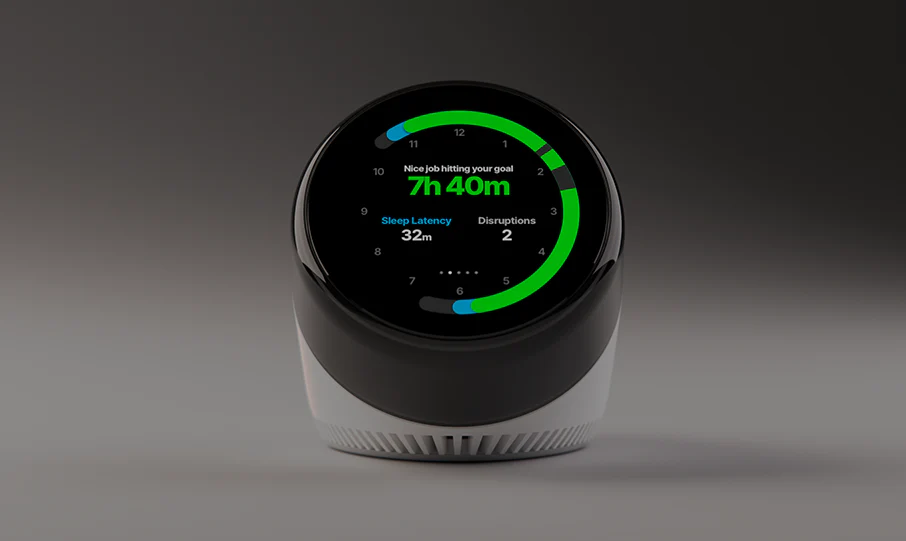
That’s probably the most impressive part of the product.
A lot of sleep gadgets feel engineered by people who have never actually dealt with insomnia, anxiety, overthinking, or late-night doomscrolling.
Dreamie feels different.
The interface reportedly stays simple, the lighting remains subtle instead of aggressive, and the sleep routines appear intentionally designed to reduce stimulation instead of adding more tech overload.
The sunrise alarm feature slowly brightens the room before waking you up naturally, while optional Bluetooth headphone support allows nighttime audio playback without disturbing a partner.
The experience sounds closer to digital sleep therapy than a traditional alarm clock.
The growing focus on healthier tech habits has also become increasingly common lately as companies continue experimenting with smarter AI-driven lifestyle products, especially after Google’s New Gemini Voice Features Could Radically Change How People Think and Communicate explored how modern devices are reshaping everyday human behaviour.
The Biggest Problem Is Still the Price
There’s no avoiding it:
$250 is extremely expensive for an alarm clock.
Even though Dreamie packs significantly more functionality than traditional bedside clocks, the pricing immediately places it into premium niche territory.
That said, there are no subscriptions, companion apps, or hidden feature paywalls involved — which already makes it feel less exploitative than many modern smart gadgets.
For users who genuinely struggle with phone addiction at bedtime, poor sleep quality, or late-night anxiety scrolling, the cost might actually feel justified if it improves sleep consistency long-term.
Sleep quality affects literally everything:
focus, stress, productivity, mood, and physical health.
And unlike most wellness gadgets, Dreamie appears to solve a very real behavioural problem instead of inventing one.
Dreamie Still Has Some Limitations
The biggest missing piece right now is audiobook integration.
The device currently works best with podcasts because of the flexibility of RSS feeds. However, audiobook platforms like Libby, Audible, or Libro.fm are much harder to integrate due to licensing and platform restrictions.
That means some users may still occasionally return to their phones for specific audio content.
The device also assumes users are willing to fully commit to removing their phone from the bedside — something many people still struggle to do consistently.
But even partial success could already improve sleep habits dramatically.
TechularZtrix Take
Dreamie feels like one of those rare gadgets that sounds unnecessary until you actually understand the problem it’s solving.
It’s not really selling an alarm clock.
It’s selling separation from your phone.
And in 2026, that’s becoming surprisingly valuable.
For people who constantly doomscroll before sleeping, wake up repeatedly during the night, or instinctively check notifications at 3 AM, Dreamie might honestly be one of the more practical wellness gadgets released recently.
The price will absolutely scare away casual buyers, but the core idea behind the product makes far more sense than most AI-powered sleep gadgets flooding the market right now.
For more details, visit Dreamie Official Website.