Nothing Phone (3) vs Google Pixel 8a: Which Android Phone Should You Buy in 2026?
Quick Highlights
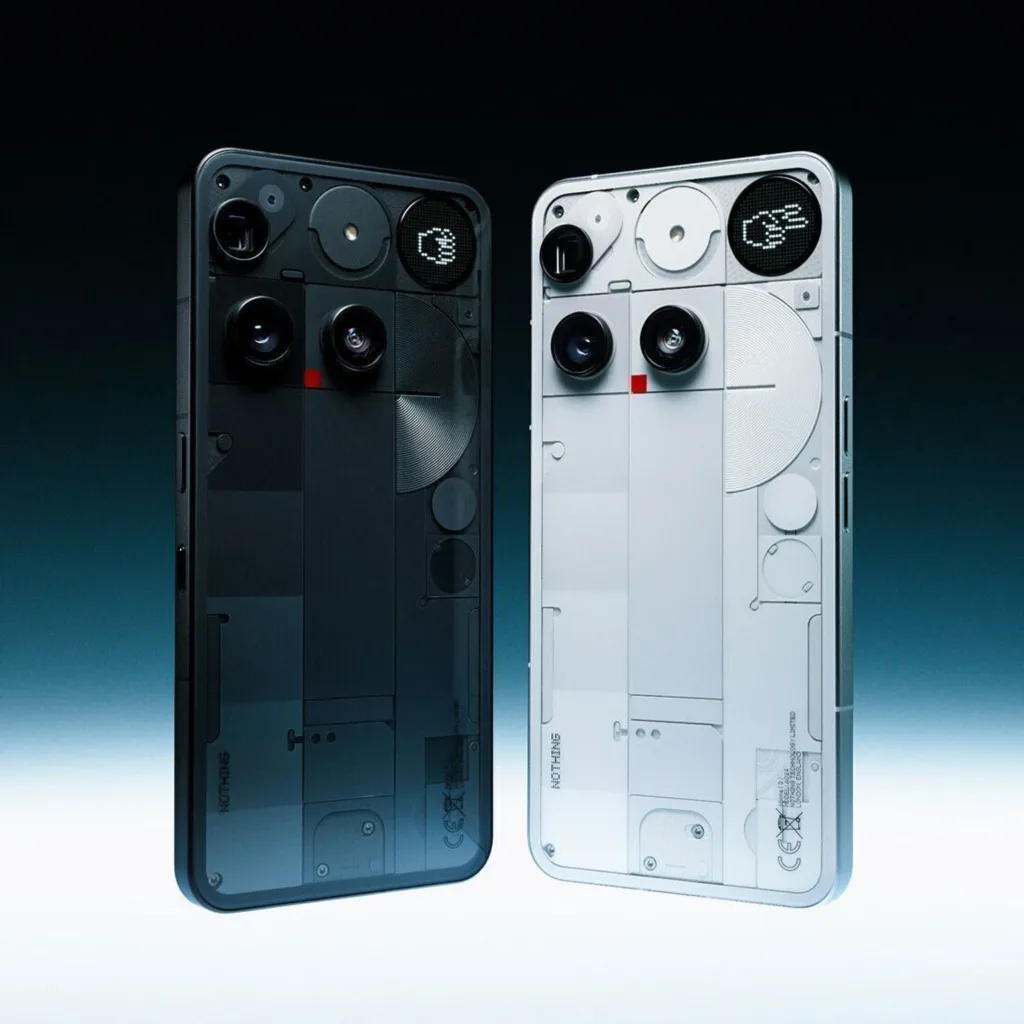
Android buyers have never had more choice in the premium mid-range segment. Two devices that consistently appear on shortlists are the Nothing Phone (3) and the Google Pixel 8a. Although they’re priced to attract similar buyers, their philosophies couldn’t be more different.
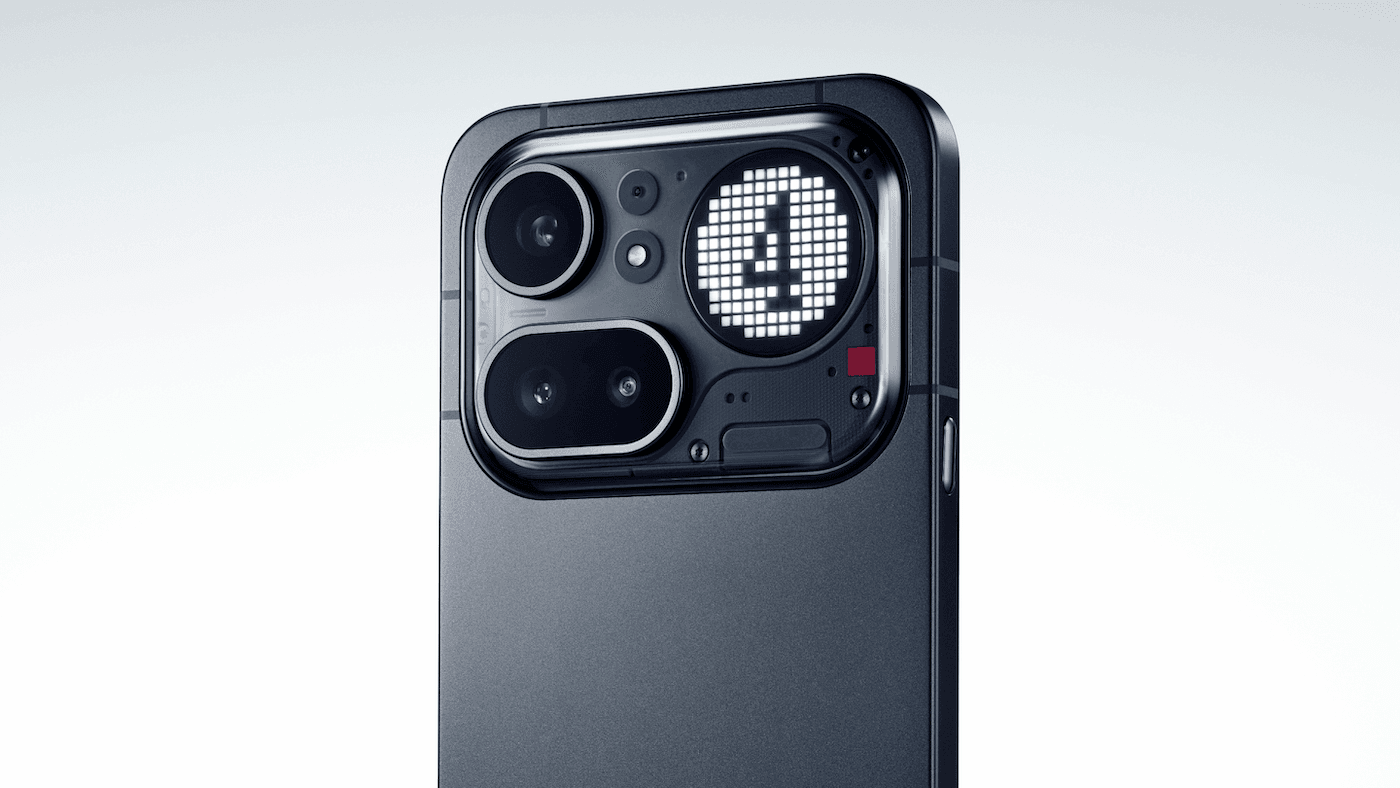
Nothing continues to challenge established brands by combining premium hardware with a distinctive transparent design and its evolving Glyph Matrix interface. Rather than chasing gimmicks, the company has focused on creating a smartphone that feels different from almost everything else on the market.
Google takes a more conservative approach with the Pixel 8a. It doesn’t rely on flashy hardware or unconventional design. Instead, it doubles down on what has made Pixel devices so popular: intelligent software, computational photography, and a clean Android experience backed by years of updates.
That’s what makes this comparison particularly interesting. This isn’t a battle of specifications alone. It’s a comparison between two different visions of what a modern Android smartphone should be.
If you’re deciding between these two devices, the right choice depends less on benchmark numbers and more on the kind of experience you expect every time you unlock your phone.
At a Glance
| If you want… | Choose |
|---|---|
| Best camera experience | Google Pixel 8a |
| Unique premium design | Nothing Phone (3) |
| Longer battery life | Nothing Phone (3) |
| Clean Android with fast updates | Google Pixel 8a |
| AI-powered productivity | Tie |
| Better value for multimedia | Nothing Phone (3) |
| Point-and-shoot photography | Google Pixel 8a |
| Feature | Nothing Phone (3) | Google Pixel 8a |
|---|---|---|
| Processor | Snapdragon 8s Gen 4 | Google Tensor G3 |
| Display | 6.67-inch AMOLED LTPS, 120Hz | 6.1-inch OLED, 120Hz |
| RAM | Up to 16GB | 8GB |
| Storage | Up to 512GB | Up to 256GB |
| Rear Cameras | Triple 50MP system | 64MP Main + 13MP Ultra-wide |
| Front Camera | 50MP | 13MP |
| Battery | 5,150mAh | 4,492mAh |
| Charging | Fast wired + wireless charging | Fast wired + wireless charging |
| Operating System | Nothing OS | Android (Pixel Experience) |
| Water Resistance | IP68 | IP67 |
Design and Build
These two smartphones immediately reveal their priorities the moment you pick them up.
The Nothing Phone (3) is unmistakable. Its transparent-inspired rear panel and Glyph Matrix lighting system make it one of the most recognisable smartphones available today. Unlike many devices that blend together visually, Nothing has built a clear design identity that feels modern without becoming overly decorative.
The Glyph Matrix isn’t simply a visual flourish. It can provide contextual notifications, timers, and app-specific indicators, allowing users to receive information without constantly turning on the display. Whether you use those features regularly is a matter of personal preference, but they undeniably make the phone feel different from conventional Android devices.
The Google Pixel 8a follows a completely different philosophy.
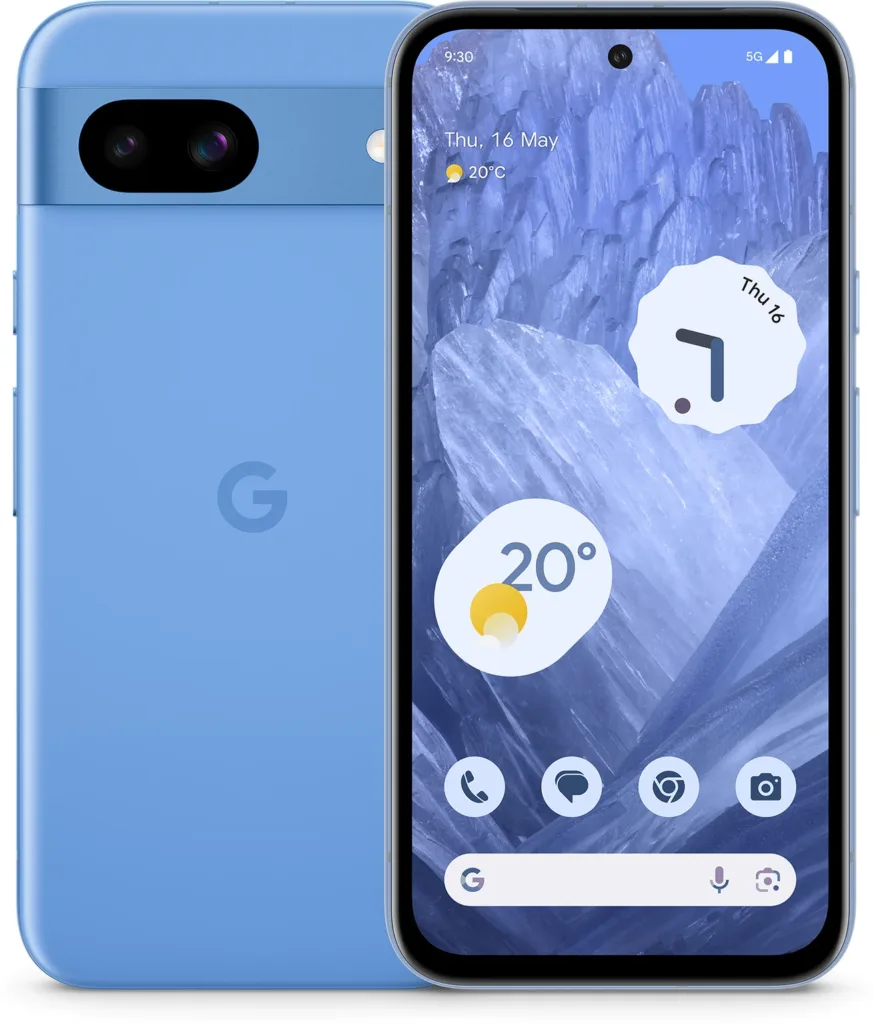
Rather than standing out through bold aesthetics, it focuses on comfort, practicality, and familiarity. Google’s signature camera bar remains instantly recognisable, while the compact dimensions make the phone particularly comfortable for one-handed use.
For many users, this smaller footprint becomes a bigger advantage than any specification can convey. It slips into pockets more easily, is lighter to hold during long calls, and remains one of the few premium Android phones that doesn’t feel oversized.
Which design matters more?
If your smartphone is also a statement piece, the Nothing Phone (3) is in a league of its own. Few devices feel as distinctive or instantly identifiable.
If comfort, ergonomics, and everyday usability matter more than visual flair, the Pixel 8a remains one of the easiest premium Android phones to recommend.
🏆 Design Winner: Nothing Phone (3)
The Pixel 8a is exceptionally practical, but Nothing has created a genuinely original design language that goes beyond appearance. The Glyph Matrix gives the phone a personality that few competitors can match.
Display
Display quality has become one of the biggest differentiators in this price segment, and these two phones approach it from different angles.
The Nothing Phone (3) features a larger 6.67-inch AMOLED panel with a smooth 120Hz refresh rate, making it particularly well suited to streaming, gaming, multitasking, and split-screen productivity. The larger canvas also benefits users who frequently edit photos, watch HDR content, or spend long periods reading.
The Pixel 8a uses a 6.1-inch OLED display, also with a 120Hz refresh rate, but its smaller size creates a very different user experience. Text appears crisp, one-handed navigation is easier, and the compact form factor makes the phone feel agile despite offering flagship-level smoothness.
The real difference isn’t image quality—both displays are vibrant, sharp, and excellent for everyday use. It’s the philosophy behind them.
Nothing prioritises immersion.
Google prioritises usability.
Does it matter?
If your phone doubles as your primary entertainment device, the larger display on the Nothing Phone (3) is the better fit.
If you prefer a phone that’s easy to carry, comfortable to hold, and simple to operate with one hand, the Pixel 8a’s compact display is a major advantage rather than a compromise.
🏆 Display Winner: Nothing Phone (3)
While both panels deliver excellent colour reproduction and smooth scrolling, the Nothing Phone (3) offers a more immersive viewing experience thanks to its larger display, making it the stronger choice for media consumption and gaming.
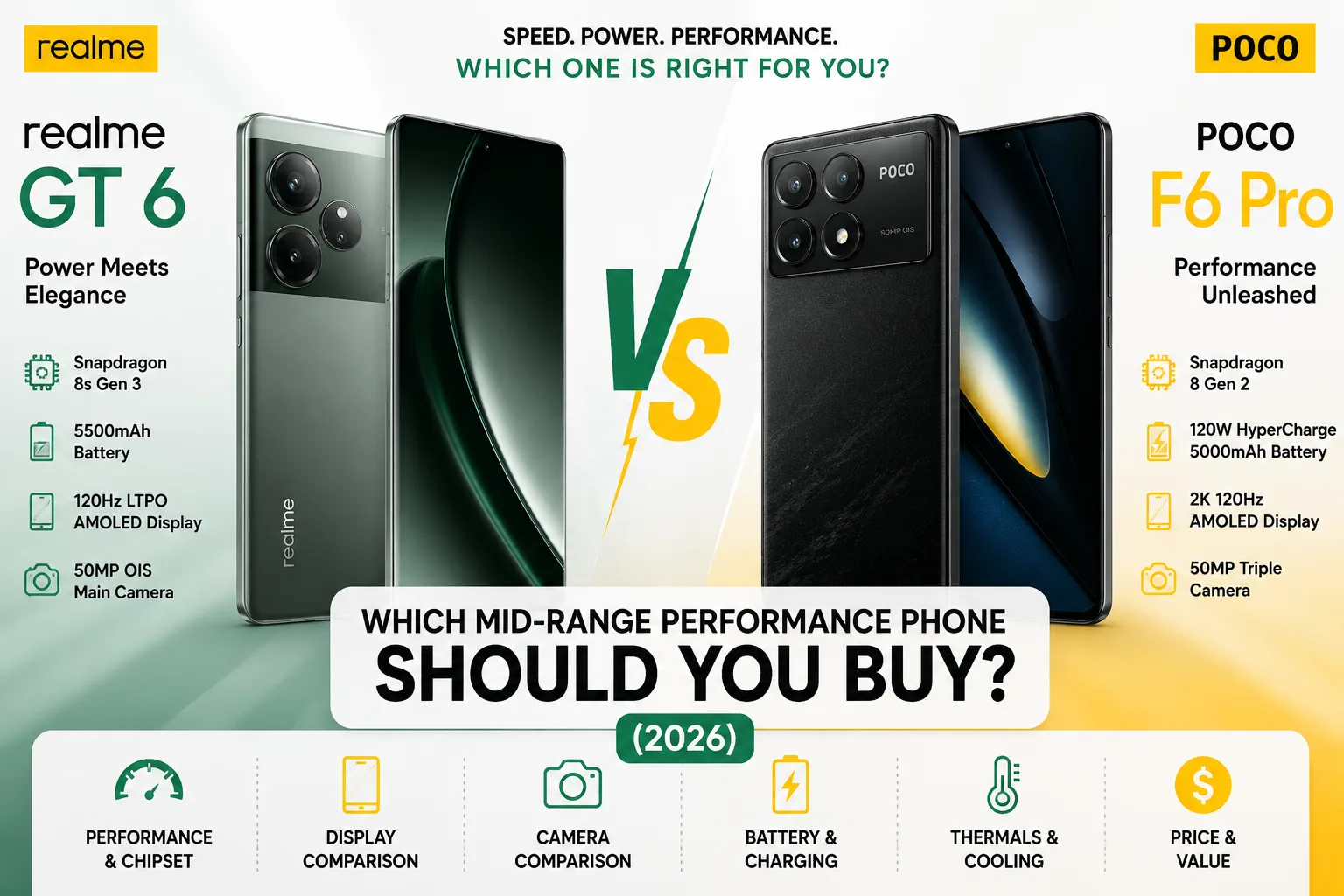
Choosing between these phones often comes down to what you value most in an Android device. If you’re also exploring other premium mid-range options, our Realme GT 6 vs POCO F6 Pro: Which Mid-Range Performance Phone Should You Buy? comparison looks at another pair of smartphones competing in a similar price bracket, but with a stronger focus on gaming performance and fast charging.
Performance & Gaming
The biggest philosophical difference between these two phones lies beneath the display.
The Nothing Phone (3) is powered by Qualcomm’s Snapdragon 8s Gen 4, a flagship-class chipset designed to deliver high-end performance while maintaining strong power efficiency. It targets users who regularly game, edit videos, multitask, or run demanding applications.
The Google Pixel 8a, on the other hand, uses Google’s Tensor G3 processor. Unlike Qualcomm’s chips, Tensor isn’t built to dominate synthetic benchmarks. Instead, it’s optimized for machine learning, on-device AI, voice recognition, image processing, and Google’s exclusive Pixel software features.
This means comparing them purely by benchmark scores would miss the point. They were designed with different priorities.
Everyday Performance
For day-to-day use, both phones feel exceptionally responsive.
Whether you’re switching between messaging apps, managing dozens of browser tabs, editing documents, or streaming high-resolution video, both devices deliver a smooth experience with minimal delays.
Animations remain fluid, apps launch quickly, and multitasking is handled confidently.
The difference becomes noticeable only during heavier workloads.
The Nothing Phone (3) has more processing headroom for sustained demanding tasks, making it a stronger option for users who frequently push their phones beyond everyday usage.
The Pixel 8a, meanwhile, excels in tasks powered by Google’s AI, such as voice typing, live language translation, image editing, and intelligent search.
For most users, neither phone feels slow. The distinction lies in what kind of performance you value.
Gaming Performance
If gaming is a priority, the Nothing Phone (3) has a clear advantage.
Its Snapdragon platform is designed with high-performance graphics in mind, making it particularly well suited to demanding titles such as:
- BGMI
- Call of Duty: Mobile
- Genshin Impact
- Honkai: Star Rail
- Asphalt Legends Unite
Combined with its larger display and generous memory options, the Nothing Phone (3) provides a more immersive gaming experience.
The Pixel 8a is certainly capable of playing modern Android games, but gaming isn’t its primary focus. It handles casual and moderately demanding titles comfortably, yet extended sessions at the highest graphics settings may require more conservative performance management than Qualcomm-powered competitors.
For users who spend hours gaming every week, the difference becomes increasingly noticeable.
Sustained Performance
Peak performance is only part of the equation.
The real challenge is maintaining that performance during prolonged workloads such as long gaming sessions, 4K video recording, or exporting large media projects.
Nothing has equipped the Phone (3) with an upgraded cooling system designed to keep temperatures under control while preserving consistent performance over time.
Google’s Pixel 8a also manages heat intelligently, but its emphasis remains balanced system stability rather than maximizing sustained performance.
For creators, gamers, and power users, the Nothing Phone (3) offers greater performance reserves for extended workloads.
Thermal Management
Every high-performance smartphone generates heat under heavy load.
During everyday tasks such as messaging, navigation, photography, or social media browsing, both devices remain comfortably cool.
As workloads become more demanding, efficient thermal management becomes increasingly important.
Nothing’s cooling solution is designed to allow the Snapdragon chipset to maintain higher performance for longer periods without excessive throttling.
The Pixel 8a instead prioritizes maintaining a stable user experience through intelligent workload management, ensuring the device remains responsive even when temperatures rise.
Neither phone presents unusual thermal concerns during normal daily use.
RAM and Storage
Memory configuration can significantly influence long-term usability, particularly for users who keep many apps open simultaneously.
| Feature | Nothing Phone (3) | Google Pixel 8a |
|---|---|---|
| RAM | Up to 16GB | 8GB |
| Storage | Up to 512GB | Up to 256GB |
The Nothing Phone (3) clearly offers more flexibility for demanding users.
Higher RAM capacities help maintain more applications in memory, while larger storage options provide additional room for high-resolution videos, large game libraries, and offline media.
For users with lighter workloads, however, the Pixel 8a’s configurations remain perfectly adequate.
Software Experience
Software is arguably the Pixel’s greatest strength.
The Pixel 8a delivers Google’s vision of Android exactly as intended—clean, responsive, and free from unnecessary visual clutter. New Android versions and security updates arrive directly from Google, ensuring users receive the latest features without waiting for manufacturer-specific rollouts.
The Nothing Phone (3) follows a similarly minimalist philosophy.
Nothing OS keeps visual modifications restrained while introducing thoughtful additions such as customizable widgets, monochrome themes, and the unique Glyph Matrix integrations. It feels polished, lightweight, and remains one of the cleanest Android interfaces outside the Pixel lineup.
Rather than overwhelming users with duplicate applications or excessive customization, Nothing focuses on creating a consistent and distraction-free experience.
This makes software preference largely subjective.
If you want Google’s pure Android experience, the Pixel remains difficult to beat.
If you appreciate subtle customization without sacrificing simplicity, Nothing OS is equally compelling.
AI Features
Artificial intelligence has become central to modern smartphones, but these devices approach AI from different perspectives.
The Pixel 8a benefits directly from Google’s extensive AI ecosystem, offering features such as:
- Magic Editor
- Magic Eraser
- Best Take
- Circle to Search
- Live Translate
- Call Assist (availability varies by region)
- Recorder transcription
- Pixel Studio and other evolving AI experiences
Many of these capabilities run directly on the device thanks to Tensor G3’s machine learning architecture.
The Nothing Phone (3) also embraces AI, integrating productivity tools, intelligent search, writing assistance, image editing features, and contextual software enhancements into Nothing OS.
However, Google’s long-standing investment in AI gives the Pixel a broader and more mature software ecosystem.
Long-Term Software Support
One of the strongest reasons to buy a Pixel has always been software longevity.
Google provides timely Android version updates, security patches, and exclusive Pixel Feature Drops that continue introducing meaningful capabilities long after purchase.
Nothing has significantly improved its software commitment in recent generations, making the Phone (3) a more future-proof choice than earlier Nothing devices.
For buyers planning to keep their smartphone for four or five years, both companies now offer competitive support, though Google’s direct control over Android still gives the Pixel a slight edge.
🏆 Performance Winner: Nothing Phone (3)
Its Snapdragon platform, higher memory configurations, larger display, and stronger sustained performance make it the better choice for gamers, creators, and demanding multitaskers.
🏆 Software & AI Winner: Google Pixel 8a
Google’s clean Android experience, industry-leading AI features, and direct software updates continue to set the benchmark for Android software. While Nothing OS is one of the best third-party Android skins available, the Pixel ecosystem remains the standard against which others are measured.
When comparing software experiences across Android brands, our Samsung Galaxy A57 5G vs vivo V70 Elite Comparison: Camera, Battery, Performance also explores how different manufacturers balance customization, AI features, and long-term software support.
Camera Comparison
The camera is where this comparison becomes genuinely fascinating.
Both phones are marketed as capable camera devices, but they achieve their results in very different ways.
The Nothing Phone (3) relies on a more versatile hardware setup, giving users additional flexibility across different shooting scenarios. Google, meanwhile, continues to prove that excellent photography isn’t just about camera sensors—it’s equally about computational photography and intelligent image processing.
If you’re choosing a phone primarily for photography, understanding this difference is far more important than comparing megapixel counts.
Main Camera
The Nothing Phone (3) features a triple 50MP rear camera system, giving it greater hardware versatility across multiple focal lengths. In daylight, it captures detailed images with vibrant colours, balanced HDR, and good dynamic range. The tuning leans slightly towards punchier colours without appearing overly saturated.
The Google Pixel 8a uses a 64MP main camera paired with Google’s renowned image processing. Instead of producing exaggerated colours, Pixel images often look more natural, with excellent exposure control and impressive shadow detail.
The biggest advantage of the Pixel isn’t necessarily sharper photos—it’s consistency. Whether you’re shooting landscapes, food, pets, or people, Google’s image processing delivers reliable results with minimal effort.
Verdict
If you enjoy adjusting composition or editing your photos later, the Nothing Phone (3) provides plenty of detail and flexibility.
If you simply want to point, shoot, and consistently get excellent results, the Pixel 8a remains one of the strongest camera phones in its class.
Portrait Photography
Portrait photography has become one of the most important smartphone features, and these two devices take different approaches.
The Nothing Phone (3) benefits from its dedicated telephoto camera, allowing it to create portraits with more natural background compression and cleaner subject separation. Facial details remain sharp, and the additional focal length produces a more flattering perspective than standard wide-angle portrait modes.
The Pixel 8a, despite lacking dedicated telephoto hardware, continues to impress through Google’s computational photography. Edge detection is remarkably accurate, skin tones appear realistic, and portrait processing remains among the best in Android.
For casual users, both phones produce attractive portraits. Photography enthusiasts, however, may appreciate the extra flexibility offered by Nothing’s dedicated telephoto lens.
Ultra-Wide Photography
Both smartphones include ultra-wide cameras designed for landscapes, architecture, and group photography.
Image quality remains good in bright conditions, with consistent colour reproduction across the different lenses.
As with most smartphones in this category, the ultra-wide camera performs best in daylight. Fine detail naturally decreases compared to the primary sensor, but both phones remain capable companions for travel photography.
Selfies
Front-facing cameras are increasingly important for video calls, social media, and content creation.
The Nothing Phone (3) features a 50MP selfie camera, offering excellent detail and greater flexibility for cropping without a significant loss in image quality.
The Google Pixel 8a uses a 13MP front camera, but once again Google’s image processing helps produce pleasing skin tones, balanced exposure, and natural facial detail.
If resolution is your priority, Nothing clearly has the advantage.
If colour accuracy and natural-looking processing matter more, the Pixel remains highly competitive.
Video Recording
Video quality is another area where software plays a major role.
The Nothing Phone (3) delivers detailed footage with effective stabilisation and benefits from having multiple useful rear cameras when switching focal lengths.
The Pixel 8a continues Google’s reputation for reliable video processing. Colours remain consistent, exposure transitions are smooth, and stabilisation performs well during handheld recording.
Neither device is designed to replace professional video equipment, but both comfortably meet the needs of content creators, travellers, and everyday users.
🏆 Camera Winner: Google Pixel 8a
Although the Nothing Phone (3) offers more versatile hardware, Google’s computational photography continues to set the benchmark in this price range. The Pixel 8a delivers consistently excellent results across a wide variety of shooting conditions with minimal effort, making it the better choice for most users who simply want dependable point-and-shoot photography.
Battery Life
Battery endurance has become one of the biggest buying factors, especially as AI features, brighter displays, and increasingly powerful processors demand more energy throughout the day.
The Nothing Phone (3) includes a 5,150mAh battery, giving it a clear capacity advantage over the Pixel 8a’s 4,492mAh battery.
Capacity alone doesn’t determine endurance, however. Display technology, chipset efficiency, background optimisation, and software all influence real-world battery life.
Even so, Nothing starts with a measurable advantage.
For users who spend long days away from a charger, stream videos frequently, or play games for extended periods, that additional battery capacity provides extra confidence.
The Pixel 8a remains capable of lasting a full day for most users, but heavier workloads may require charging earlier than on the Nothing Phone (3).
Charging
Charging speed is another area where the Nothing Phone (3) moves ahead.
It supports faster wired charging along with wireless charging, allowing users to spend less time connected to a power outlet.
The Pixel 8a also supports wired and wireless charging, but its charging speeds prioritise battery health and longevity over absolute speed.
For many buyers this won’t matter, especially if they charge overnight.
For users with busy schedules who frequently top up their phone during the day, faster charging quickly becomes a convenience that’s difficult to give up.
🏆 Battery Winner: Nothing Phone (3)
Its larger battery and faster charging combine to deliver a more practical experience for heavy users, travellers, and mobile gamers.
Connectivity and Extra Features
Both smartphones include the essential flagship connectivity features expected in this segment:
- 5G connectivity
- Wi-Fi 6E
- Bluetooth
- NFC
- USB Type-C
- Stereo speakers
- In-display fingerprint authentication
- Wireless charging
Where they differ is in the overall ecosystem experience.
The Pixel integrates naturally with Google’s expanding AI services and Pixel-exclusive software features, while the Nothing Phone (3) complements Nothing’s growing ecosystem of audio products and accessories through Nothing OS.
For most users, neither phone presents meaningful limitations in everyday connectivity.
Pricing and Value
Price often determines whether an excellent smartphone becomes an outstanding purchase.
The Nothing Phone (3) offers more flagship-inspired hardware for the money. Buyers receive a larger display, significantly more RAM and storage options, a bigger battery, and a more versatile camera system.
The Google Pixel 8a, meanwhile, focuses on delivering exceptional software, long-term updates, and one of Android’s best camera experiences rather than chasing the most impressive specification sheet.
If both phones are available at similar prices, the decision becomes surprisingly close.
Buyers who value hardware and multimedia are likely to favour the Nothing Phone (3).
Those who prioritise photography, software, and AI will continue to find the Pixel 8a difficult to beat.
If you’re also considering more affordable alternatives, our Best 5G Phones Under ₹30,000 in India (April 2026): The New Endurance Kings highlights several excellent options for buyers who don’t need flagship-level features.
🏆 Value Winner: Nothing Phone (3)
At comparable pricing, the Nothing Phone (3) delivers more premium hardware, greater versatility, and stronger multimedia capabilities, making it the better overall value for buyers seeking a flagship-like experience without paying flagship prices.
Category Scorecard
| Category | Winner | Why |
|---|---|---|
| Design & Build | 🏆 Nothing Phone (3) | A distinctive transparent-inspired design and the Glyph Matrix create a unique identity that stands out from conventional smartphones. |
| Display | 🏆 Nothing Phone (3) | The larger 6.67-inch AMOLED panel delivers a more immersive experience for gaming, streaming, and multitasking. |
| Performance | 🏆 Nothing Phone (3) | The Snapdragon platform offers stronger sustained performance and greater headroom for demanding workloads. |
| Gaming | 🏆 Nothing Phone (3) | Better suited for extended gaming sessions thanks to its more powerful chipset and larger display. |
| Software & AI | 🏆 Google Pixel 8a | Google’s clean Android experience, Pixel-exclusive AI features, and fast software updates remain unmatched. |
| Camera | 🏆 Google Pixel 8a | Computational photography continues to deliver consistently excellent images across different lighting conditions. |
| Battery Life | 🏆 Nothing Phone (3) | Larger battery capacity and faster charging make it the better companion for heavy users. |
| Charging | 🏆 Nothing Phone (3) | Faster wired charging reduces downtime and offers greater convenience. |
| Connectivity | 🤝 Tie | Both phones include modern essentials such as 5G, NFC, stereo speakers, USB-C, and wireless charging. |
| Value for Money | 🏆 Nothing Phone (3) | Delivers more flagship-grade hardware and versatility at a competitive price. |
Which Phone Should You Buy?
The Nothing Phone (3) and Google Pixel 8a are both excellent Android smartphones, but they target different kinds of users.
Buy the Nothing Phone (3) if you:
- Want flagship-level performance for gaming, multitasking, and demanding apps.
- Prefer a larger display for streaming, productivity, and entertainment.
- Need a bigger battery with faster charging for long days away from a charger.
- Like the transparent-inspired design and Glyph Matrix interface.
- Value premium hardware and generous RAM and storage options.
Buy the Google Pixel 8a if you:
- Want one of the best point-and-shoot camera experiences in this price segment.
- Prefer Google’s clean Android interface with fast updates and Pixel Feature Drops.
- Use AI-powered tools such as Magic Editor, Circle to Search, or Live Translate regularly.
- Prefer a compact phone that’s comfortable to use with one hand.
- Plan to keep your phone for several years and prioritise long-term software support.
⚡ TechularZtrix Scan
📌 Bottom Line
The Nothing Phone (3) and Google Pixel 8a represent two different visions of Android.
Nothing focuses on delivering premium hardware, distinctive design, and powerful everyday performance, while Google continues to lead with software intelligence, computational photography, and a polished Android experience.
Neither phone is objectively better for everyone—the right choice depends on what matters most to you.
🏆 Biggest Win – Nothing Phone (3)
A larger display, flagship-class Snapdragon performance, bigger battery, and distinctive design make it one of the most complete hardware packages in its segment.
🏆 Biggest Win – Google Pixel 8a
Google’s exceptional camera processing, clean Android experience, and AI-first software continue to make the Pixel 8a one of the smartest smartphones you can buy.
📈 Why It Matters
This comparison highlights how modern smartphones are no longer defined by raw specifications alone. Hardware, software, AI capabilities, ecosystem integration, and long-term support all contribute to the overall ownership experience.
🌍 India Reality Check
Pricing, exchange offers, and festive discounts can significantly influence value. Before purchasing either phone, compare bank offers, trade-in bonuses, and after-sales service availability, as these factors may outweigh minor specification differences.
🔍 Our Recommendation
If both phones are available at similar prices, the Nothing Phone (3) is the stronger recommendation for most buyers. It offers a better balance of performance, display quality, battery life, and overall hardware value.
However, if photography, software updates, and AI-powered features are your highest priorities, the Google Pixel 8a remains one of the best Android phones in its class.