Android Auto Gets a Major AI Upgrade in 2026: YouTube, Dolby Atmos, and Immersive 3D Maps
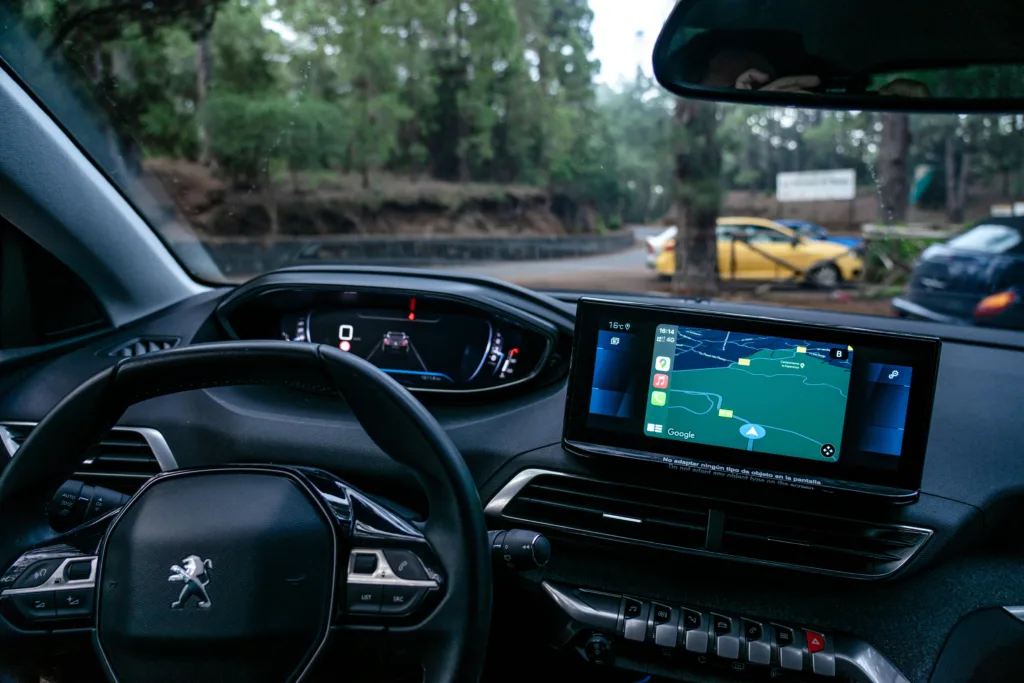
Google is rolling out what may be the most substantial upgrade to Android Auto in years. Beyond a visual refresh, the platform is getting deeper artificial intelligence integration, expanded multimedia support, and dramatically improved navigation visuals. These upgrades reflect Google’s broader strategy to make in-car software more intuitive, helpful, and enjoyable—especially as dashboard screens become larger and more capable.
The changes are expected to arrive across 2026, gradually rolling out through over-the-air updates and manufacturer support for Android Automotive systems.
For official details on Android Auto features, compatibility, and supported vehicles, you can refer to Google’s Android Auto support page.
Quick Highlights
Redesigned Android Auto: Cleaner, Smarter, Modern
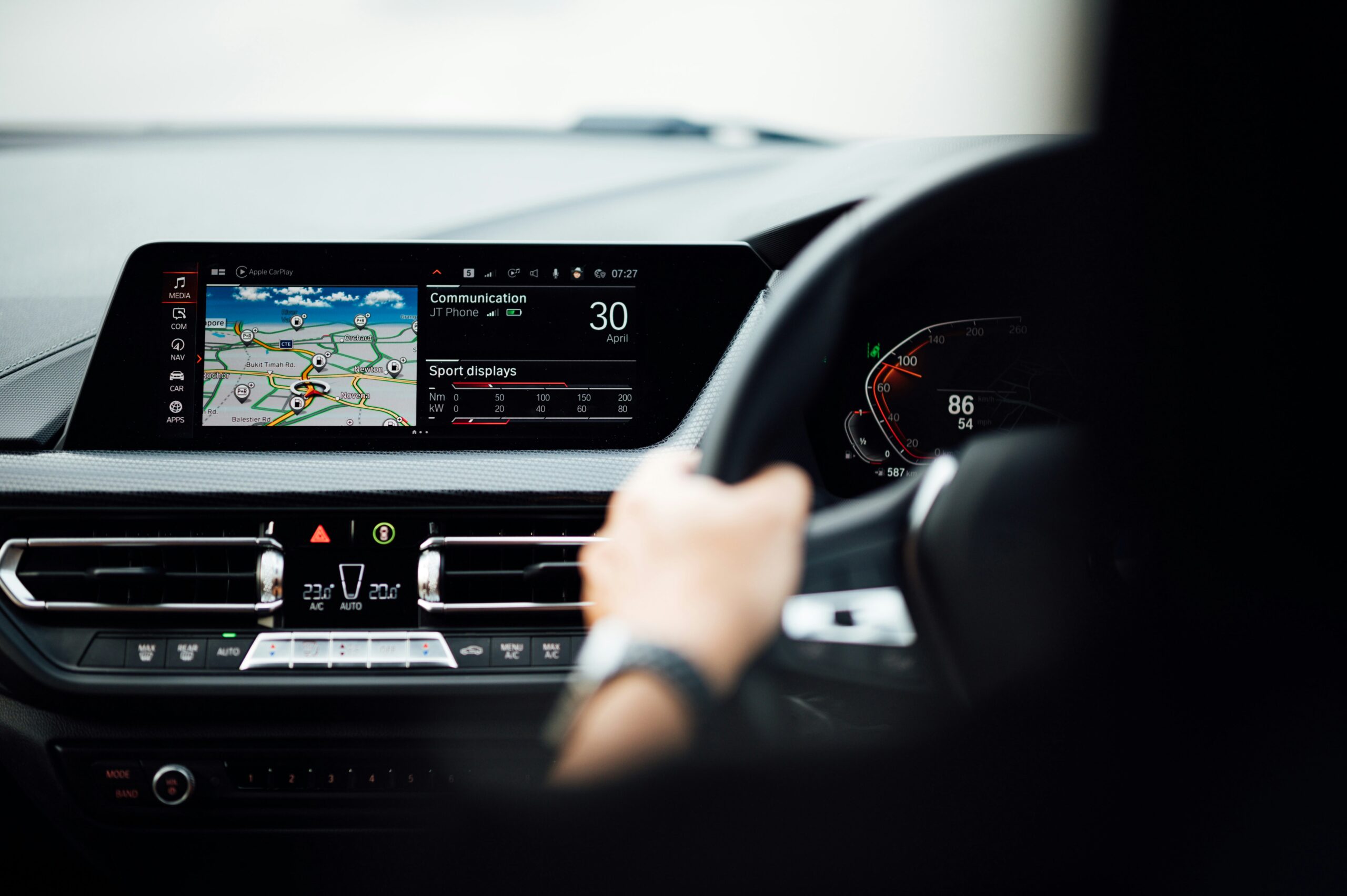
At first glance, Android Auto’s refreshed interface feels significantly more modern. Google is adopting its Material 3 design language, with bolder typography, refined animations, and a layout that feels tailored for today’s wide infotainment screens. The redesign tackles one of the biggest complaints users have had in recent years: the sense that Android Auto still looks like a phone projection UI rather than a native car dashboard.
Better visuals can lead to better usability when navigating complex menus, choosing media, or reading directions. This matters even more when you’re comparing Android Auto’s experience to other OEM systems or accessories such as JioCarSync Launched in India With Wireless Android Auto, Apple CarPlay Support; Price, Features Revealed, which aim to modernize older cars without new hardware.
Widgets for the Dashboard: Quick Info at a Glance
One of the most practical changes is the introduction of widgets on Android Auto. Instead of tapping through menus to check the weather, find a recent contact, or jump to your most common navigation destination, widgets will let you pin these items directly on the home screen.
This is a small change with big usability implications, particularly for daily commuters who rely on directions and updates at a glance. Widgets are a design trend we’re also seeing across mobile and automotive UIs alike, reinforcing how the shift toward glanceable information is reshaping in-car software.
Immersive 3D Navigation in Google Maps
Google is overhauling Maps’ navigation visuals with a new immersive mode that brings detailed 3D road and terrain views to Android Auto. This goes beyond flat map tiles, adding depth and realism to buildings, gradients, and lane structures while highlighting key driving cues such as exit paths and traffic flow.
For drivers using larger infotainment screens, especially in modern EVs and SUVs, immersive navigation could make directions clearer and help reduce wrong turns at complex junctions. In fact, improvements like this are increasingly important as we consider how navigation should feel in vehicles such as the Tesla Model Y Variants in India: Which One Actually Makes Sense in 2026?, where screen real estate is central to the user experience.
YouTube Video Playback While Parked
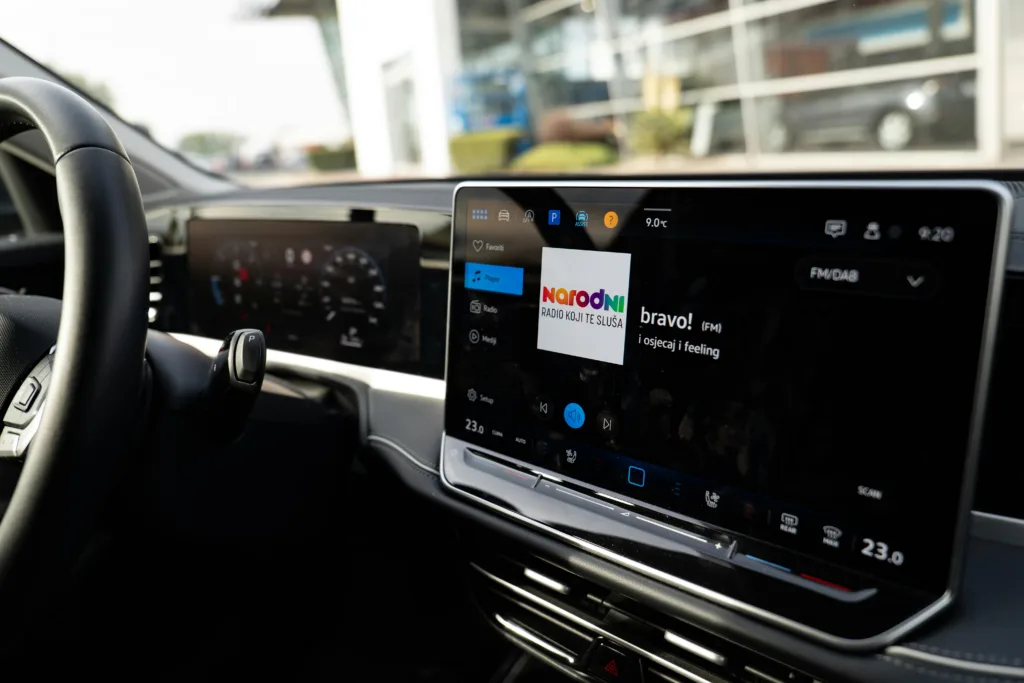
Android Auto is finally adding support for video playback on the car display, starting with apps like YouTube. The rollout is expected to allow full HD video streaming when the vehicle is stationary, making waiting periods—such as charging stops—a more enjoyable experience.
This reflects how in-car infotainment is evolving. As EV charging becomes a regular part of travel, passengers and drivers alike appreciate ways to occupy downtime without having to revert to a phone screen.
Intelligent Transition From Video to Audio
Google is also adding functionality that transitions playback from video to audio-only mode once the car begins moving. This ensures that passengers can continue listening to long-form content such as lectures, podcasts, or music tracks without visuals once the vehicle is underway.
This design decision strikes a practical balance between entertainment and safety, acknowledging the realities of modern car use without encouraging visual distraction while driving.
Dolby Atmos Spatial Audio Support
Android Auto is moving beyond basic stereo by introducing Dolby Atmos spatial audio support for compatible vehicles and apps. Whereas traditional audio can feel “flat,” Dolby Atmos creates a more three-dimensional soundstage—something that can be especially immersive through multi-speaker setups in premium cars and EVs.
For drivers who frequently rely on their car’s sound system for music, podcasts, or ambient audio, this change alone could make Android Auto feel significantly more premium.
Gemini AI: A More Proactive Assistant
Perhaps the most ambitious part of this upgrade is the deeper integration of Gemini AI into Android Auto. Instead of only responding when spoken to, Gemini will begin offering contextual assistance based on what it interprets from your activity, location, calendar, messages, and more.
Instead of mechanically following voice commands, Gemini is being positioned as a more intuitive companion. For example, it might recognize when a friend asks for your location in a message and suggest an appropriate one-tap reply—streamlining interactions that would otherwise require multiple steps on a phone screen.
AI-Assisted Tasks: Contextual Help and Smart Replies
Google has showcased scenarios where Gemini can assist beyond navigation and calls. For instance, the assistant could interpret a message asking for an address, locate it using your apps, and then offer a quick reply or navigation suggestion. In future iterations, Gemini may even handle tasks like food reordering through supported services, allowing drivers to set pickup ready by arrival.
These scenario-based interactions mark a clear shift from passive voice assistants to active productivity tools within the car, albeit with ongoing safety considerations.
Deeper Integration on Android Automotive Vehicles
For vehicles with Google built-in (Android Automotive OS), Gemini will gain even deeper system access, potentially leveraging vehicle data for more meaningful insights. This means you might one day ask about dashboard warning lights, fuel range, or even whether a particular cargo item will fit in the boot—making the assistant more than just a peripheral tool.
As connected vehicles gain data streams from cameras and sensors, future Android Auto navigation might even tap into front-facing cameras for more accurate lane guidance—a direction that could put Google Maps on par with some built-in OEM navigation systems.
Rollout Timeline and Manufacturer Support
While Google hasn’t provided exact dates for the full launch, the company says the upgrades will arrive throughout 2026. Adoption will depend not only on Google’s own updates, but also on car manufacturers and their respective infotainment hardware.
Given the variety of brands already supporting Android Automotive—from mainstream manufacturers to premium EV makers—Android Auto’s evolution is likely to be staggered, with features rolling out as they are certified and optimized for each system.
This mirrors how other car tech ecosystems evolve; sometimes a feature arrives later than expected because it needs manufacturer sign-off or hardware compatibility validation, a process familiar to drivers following updates like those for vehicles such as the Maruti Suzuki e VITARA Launched at ₹10.99 Lakh: India’s New EV Contender.
TechularZtrix Take: Android Auto Is Becoming the Default Smart Car Experience
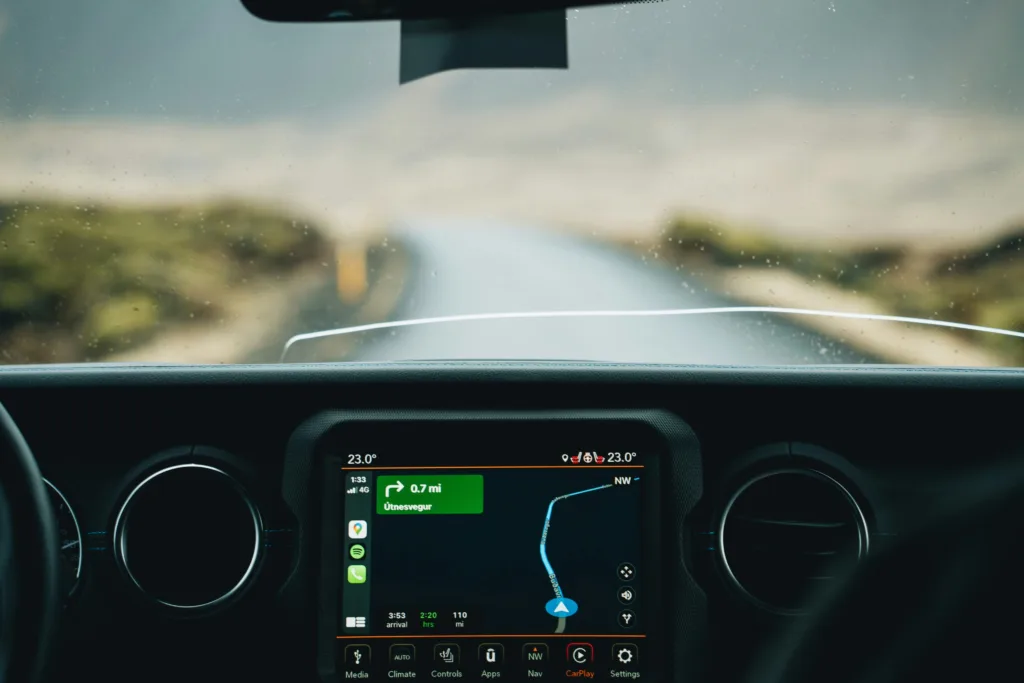
This upgrade is more than incremental. With immersive navigation, integrated AI, and expanded multimedia support, Android Auto is transitioning from a simple phone projection interface to what feels like an actual car operating environment.
If the rollout is stable and broadly supported, Android Auto could become the default choice for in-car connectivity across a wide range of vehicles—even those with less advanced OEM systems. Its evolution also underscores how critical software ecosystems have become in differentiating modern cars beyond hardware specs alone, especially as drivers increasingly expect infotainment systems to feel as capable as smartphone tech.
For context on how vehicle electrification and software are reshaping the automotive landscape, it’s worth understanding battery longevity and its impact on long drives: EV Battery Degradation Explained: 7 Critical Factors That Matter.
Android Auto is getting a refreshed interface, dashboard widgets, immersive 3D Google Maps, YouTube video support, Dolby Atmos audio, and deeper Gemini AI assistance.
No. YouTube and other video playback features are expected to function only when the vehicle is stationary, with supported apps switching to audio-only once the car moves.
It’s a new navigation mode with richer 3D visuals that make roads, buildings, and terrain more intuitive to read, along with enhanced lane guidance.
Gemini aims to offer contextual help by understanding your tasks, messages, and location, making suggestions without waiting for explicit commands.
Google has said the upgrades will begin rolling out across 2026, with availability depending on car model, region, and hardware compatibility.