Tesla Model Y Variants in India: Which One Actually Makes Sense in 2026?
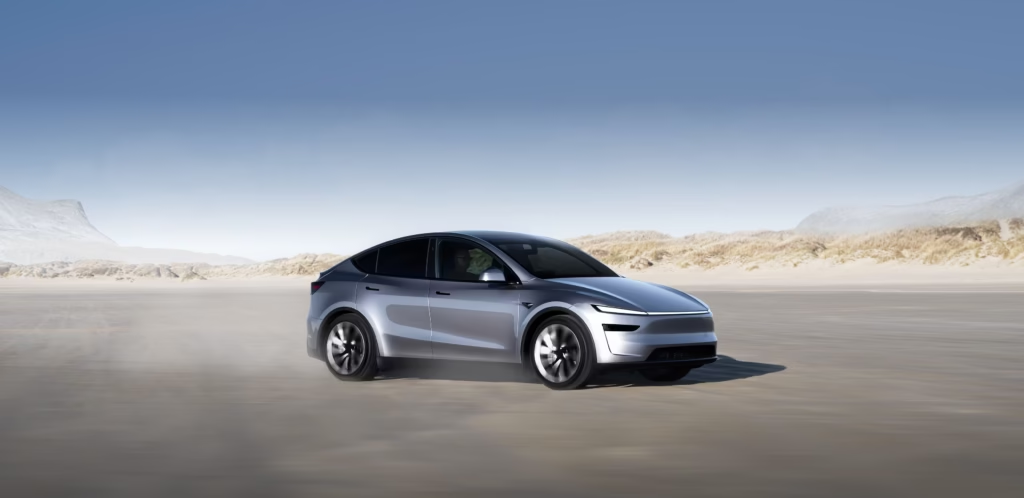
The Tesla Model Y has finally entered the Indian market, and unlike most launches, this one isn’t about overwhelming buyers with multiple trims and confusing configurations.
The Tesla Model Y has finally entered the Indian market, and unlike most launches, this one isn’t about overwhelming buyers with multiple trims and confusing configurations.
There are just two variants: Rear-Wheel Drive and Long Range Rear-Wheel Drive.
At first glance, both look identical. Same design, same interior, same features. But the real difference only becomes clear when you look at how the car fits into daily life, charging habits, and long-term ownership.
Tesla has priced the base variant at ₹59.89 lakh, while the Long Range version comes in at ₹67.89 lakh. That gap is significant, so the decision comes down to one key question:
Are you paying for better specs, or a better ownership experience?
Tesla Model Y Variants: The Numbers That Actually Matter
Comparison at a glance
2 OPTIONS · 6 SPECS COMPARED
Feature
Rear-Wheel Drive
Long Range RWD
Price
₹59,89,000
₹67,89,000
Range (WLTP)
500 km
661 km
0–100 km/h
5.9 sec
5.6 sec
Fast Charge (15 min)
238 km
267 km
Peak Charging
175 kW
250 kW
Battery Warranty
8 yrs / 160,000 km
8 yrs / 192,000 km
On paper, it looks like a straightforward upgrade. In reality, it’s more about how often you need to charge and how much you want to think about it.
Where the Real Difference Shows
In daily driving, both variants feel almost identical. The acceleration gap is negligible, and the overall driving experience remains smooth, quiet, and predictable.
What actually changes is your charging routine.
The 500 km range on the standard version is already strong for city use. For most users, it translates to multiple days of driving without needing to plug in.
The 661 km range on the Long Range model shifts that experience. You get fewer charging stops, more flexibility for weekend travel, and less planning overall.
This is exactly the kind of difference that doesn’t show up clearly in spec sheets but becomes obvious after a few weeks of ownership.
Charging Experience: The Practical Advantage
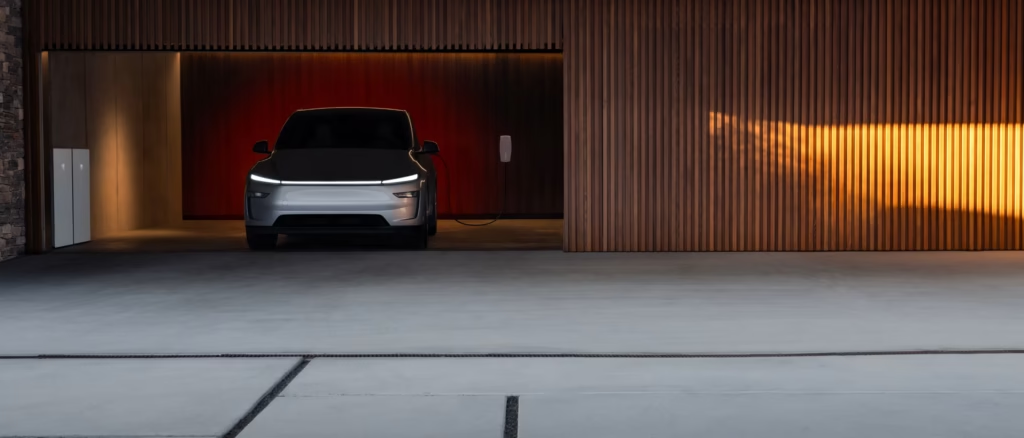
Charging is where the Long Range variant makes a noticeable difference.
It supports higher peak charging speeds and adds more range in a shorter time window. In real-world terms, that means:
Less waiting during highway drives
Shorter charging breaks
A more seamless long-distance experience
If you’re new to EVs, this is where understanding charging behavior becomes important. If you want a deeper breakdown of how real-world charging works, you can explore our detailed guide on EV charging challenges where we break down what actually impacts daily usability.
Design and Features: Subtle but Meaningful Upgrades
Tesla hasn’t gone for a radical redesign here. Instead, the focus is clearly on refinement and efficiency.
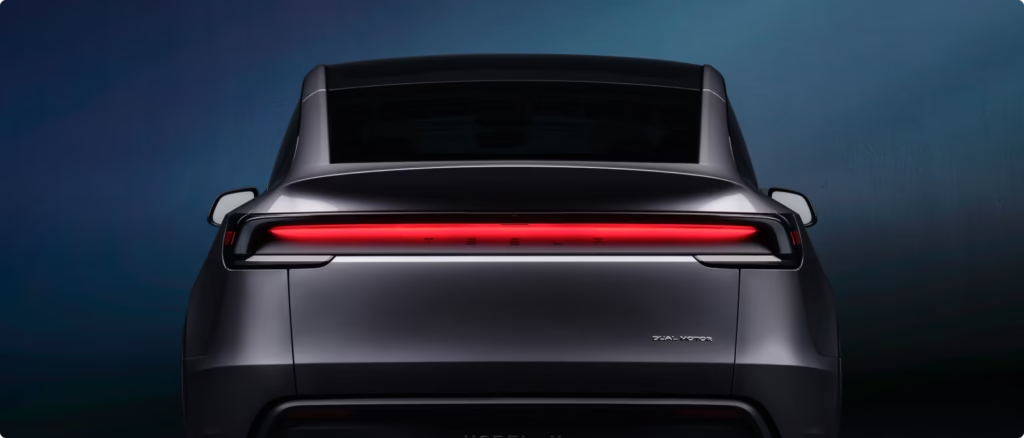
The updated front and rear lightbars are designed not just for aesthetics, but to improve aerodynamics and overall range efficiency.
Inside, the cabin feels more polished. You get wraparound ambient lighting, soft-touch materials, and the signature 16-inch central touchscreen that controls almost everything.
Rear passengers now benefit from power-reclining seats and an 8-inch display, making the second row feel far more usable than before.
Tesla has also improved everyday usability with better Phone Key integration, stronger connectivity, and acoustic glass, which noticeably reduces outside noise and makes the cabin quieter at higher speeds.
These aren’t flashy upgrades, but together they make the car feel more complete and refined.
Same Experience Across Both Variants
One important thing to understand is that Tesla hasn’t restricted features based on price.
Both variants offer:
Identical interior layout and displays
Same infotainment and connectivity features
Full safety suite with multiple cameras
Over-the-air software updates
This means your decision is not about missing out on features. It’s purely about range, charging convenience, and long-term usability.
Real-World Buying Decision
Rear-Wheel Drive makes more sense if:
Your usage is mostly city-focused
You have reliable charging access
You want to enter the EV space without stretching your budget
Long Range RWD makes more sense if:
You frequently drive on highways or long routes
You want fewer charging interruptions
You prefer a more stress-free ownership experience over time
TechularZtrix Take
Source: Tesla
What Tesla has done here is interesting. Instead of pushing more features or aggressive performance numbers, it has focused on reducing friction in everyday use.
The base variant already delivers a complete experience for most users. The Long Range version simply takes away some of the small inconveniences that come with EV ownership.
If your usage is predictable, the standard version is more than enough. If you value flexibility and convenience, the Long Range model starts to justify its price.
For full specifications and official updates, you can also refer to the official listing from Tesla for complete specifications and updates.
And as EV adoption grows in India, understanding long-term factors like battery health also becomes important. If you’re planning to keep your car for years, our breakdown on EV battery degradation gives useful insight into what actually affects performance over time.
And if you’re still exploring alternatives in the EV space, especially at a more accessible price point, the recent Maruti Suzuki e VITARA India launch shows a very different direction focused on affordability and practicality.