Powerful Fast Charging Technologies That Actually Matter in 2026
Fast charging technologies have reshaped how smartphones are used on a daily basis. Charging is no longer an overnight task but a short, deliberate action that restores hours of battery life in minutes. Despite this progress, many users still misunderstand how fast charging works due to brand-heavy marketing, exaggerated wattage claims, and unclear technical explanations.
In 2026, fast charging performance is determined by a combination of charging standards, thermal management, battery chemistry, and software intelligence. This article explains which fast charging technologies truly matter, how they affect real-world usage, and what users should prioritize when choosing a smartphone.
What Fast Charging Actually Means?
At a technical level, fast charging refers to delivering higher electrical power to a smartphone battery in a controlled and safe manner. Power is regulated dynamically using voltage and current adjustments based on battery condition and temperature.
Charging does not occur at maximum speed continuously. Instead, it follows structured phases:
- Rapid charging at low battery levels
- Regulated charging during mid-range capacity
- Slow trickle charging near full capacity
This is why advertised charging speeds rarely apply beyond the first 30–50% of battery level. Understanding this behavior is essential when evaluating fast charging technologies in real use.
Why Wattage Numbers Alone Are Misleading?
Many manufacturers advertise high wattage figures such as 67W, 100W, or higher. While wattage influences charging potential, it does not guarantee faster or better charging.
Real-world charging speed depends on:
- Battery size and chemistry
- Charging protocol compatibility
- Power delivery efficiency
- Heat dissipation capability
A well-optimized 45W system can outperform a poorly regulated 80W system. This is why experienced reviewers emphasize charging curves and temperature control, not peak wattage.
USB Power Delivery: The Foundation of Modern Fast Charging
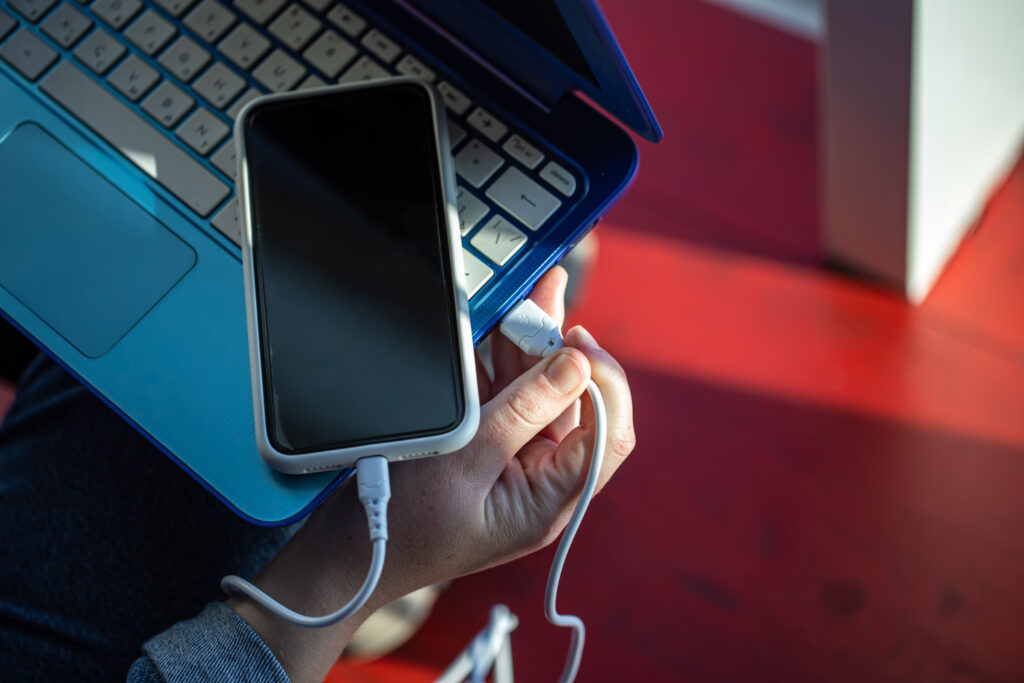
USB Power Delivery (USB-PD) has become the most important fast charging standard in the industry. It is an open, widely adopted protocol supported by smartphones, laptops, tablets, and accessories.
Key advantages include:
- Dynamic power negotiation
- Cross-device compatibility
- Built-in safety mechanisms
- Reduced reliance on proprietary chargers
USB-PD allows devices to request only the power they need, reducing excess heat and improving long-term battery health.
Proprietary Fast Charging Systems
Many smartphone brands still use proprietary fast charging technologies to achieve higher peak speeds. These systems often work efficiently but only under controlled conditions.
Common limitations include:
- Full speed requires brand-specific chargers and cables
- Reduced compatibility with third-party accessories
- Limited benefit when switching ecosystems
While proprietary solutions can deliver impressive short-term speed, they may reduce flexibility over long-term device ownership. This matters when comparing Android vs iPhone charging ecosystems.
Thermal Management Determines Real Charging Speed
Heat is the most critical factor limiting fast charging performance. Excess heat accelerates battery aging and forces charging systems to slow down automatically.
Modern smartphones use:
- Multiple internal temperature sensors
- Adaptive charging algorithms
- Dynamic power throttling
- Internal heat dissipation layers
Charging speed is often reduced during gaming, navigation, or use in warm environments. Effective thermal management ensures consistent charging without damaging the battery.
Fast Charging and Battery Health
Fast charging itself does not inherently damage batteries. Modern lithium-ion batteries are engineered to handle high charging currents when properly regulated.
Battery degradation is primarily caused by:
- Prolonged exposure to high temperatures
- Remaining at 100% charge for extended periods
- Frequent deep discharge cycles
Smart charging features now delay full charging until necessary, especially overnight. When used correctly, fast charging technologies do not significantly shorten battery lifespan.
Wireless Fast Charging: Convenience Over Efficiency
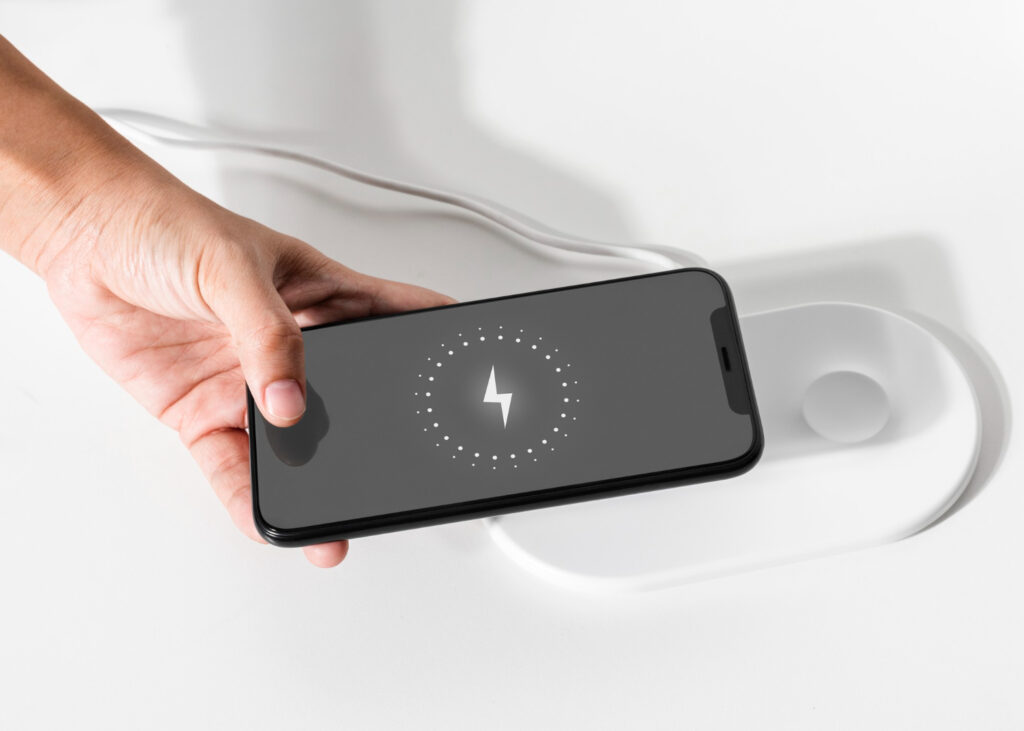
Wireless charging has improved but remains less efficient than wired fast charging. Energy loss and additional heat are unavoidable due to inductive transfer.
Wireless fast charging is best suited for:
- Desk and bedside charging
- Short top-up sessions
- Reducing cable wear
For users prioritizing speed and efficiency, wired fast charging remains superior.
What Fast Charging Should Look Like in 2026
In real-world use, a well-designed smartphone should:
- Reach 50–60% charge in under 30 minutes
- Maintain safe temperatures during charging
- Support USB-PD or a mature proprietary system
- Offer adaptive charging controls for battery longevity
Chasing extreme wattage numbers provides diminishing returns. Reliability and thermal stability matter more.
Key Takeaways:
- Fast charging technologies rely on controlled power delivery, not constant maximum speed
- Wattage alone does not determine charging quality
- USB-PD offers the best balance of speed, safety, and compatibility
- Heat management is critical for both performance and battery health
- Proper fast charging does not significantly degrade modern batteries