
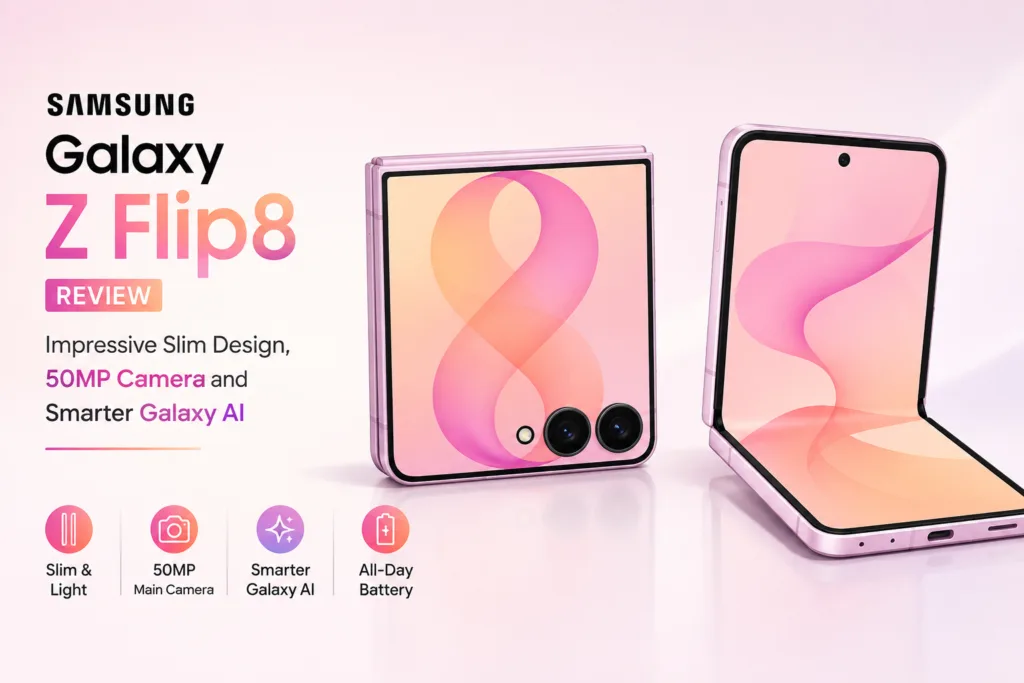
Samsung Galaxy Z Flip8 Review: Impressive Slim Design, 50MP Camera and Smarter Galaxy AI
Samsung’s Galaxy Z Flip series has always taken a different approach to foldables. While the Galaxy Z Fold lineup is designed around…
SMARTPHONE REPORTEXPLORE
 TECHULARZTRIXTMPrecision Technology Editorial
TECHULARZTRIXTM
Smartphone storage performance plays a pivotal role in the overall experience of a modern mobile device. While many users focus on storage capacity — 128GB, 256GB, or 1TB — the underlying speed, type, and efficiency of storage often have a…
TechularZtrixEDITORIAL DESK · UPDATED 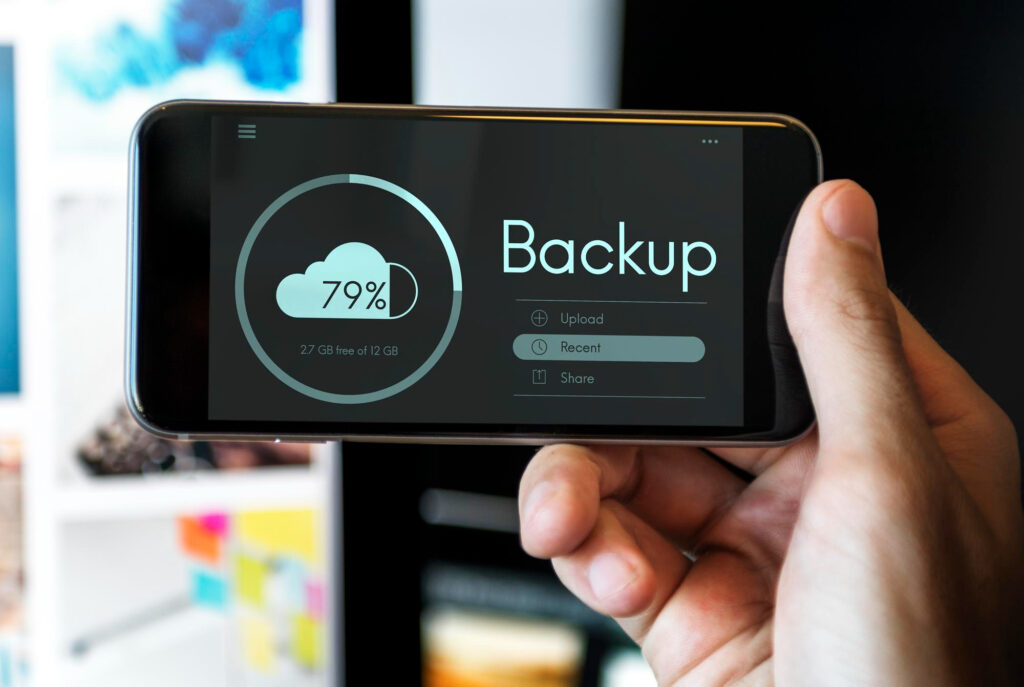
Smartphone storage performance plays a pivotal role in the overall experience of a modern mobile device. While many users focus on storage capacity — 128GB, 256GB, or 1TB — the underlying speed, type, and efficiency of storage often have a greater impact on multitasking, app responsiveness, and daily usability. In 2026, understanding storage behavior is essential for choosing a device that performs reliably over time.
Many users mistakenly assume that more gigabytes automatically means faster performance. The reality is more complex: storage type, read/write speed, operating system optimization, and even app design all influence how quickly and smoothly a smartphone operates. This article explores the factors that define smartphone storage performance and provides actionable insights for users seeking long-term efficiency.
Smartphone storage is no longer just about gigabytes; the type of storage dramatically influences device performance. Common storage standards in 2026 include:
Faster storage ensures smoother app launches, quicker data access, and reduced lag, even on devices with lower RAM. Conversely, phones with slower storage, such as eMMC, can bottleneck the CPU and memory, causing delays even if the processor is powerful.
The impact of storage type is particularly noticeable in devices handling large files or complex applications, such as video editing, AI-enhanced photo processing, or augmented reality (AR) apps. UFS storage standards.
The way storage operates directly affects how efficiently a smartphone handles multiple apps. Smartphone storage performance influences app responsiveness, background process management, and overall fluidity.

Slower storage can lead to:
Modern smartphones leverage UFS 4.0 and NVMe storage to maintain smooth operation, even under heavy multitasking. This ensures that users can switch between multiple applications, stream media, and process data-heavy tasks without experiencing lag or stutters.
Understanding smartphone buying decisions now requires evaluating storage performance alongside RAM, processor specifications, and OS optimization.
Efficient storage management also reduces energy consumption, indirectly enhancing battery life, since less CPU time is wasted waiting on slow storage operations.
Even with high-speed storage, poor software management can degrade performance over time. Operating systems like Android 14 and iOS 17 incorporate advanced storage optimization tools, which manage cache, background processes, and file organization.
Key factors affecting storage optimization include:
Phones that combine fast storage types with robust software optimization maintain long-term smartphone storage performance, even under heavy usage scenarios. Android storage optimization guide
Users can take several steps to maintain optimal smartphone storage performance:
Comparing Android vs iPhone storage management reveals how software design influences performance, even on devices with similar hardware.
Following these practices ensures devices continue performing smoothly for several years, avoiding the slowdown commonly associated with aging storage systems.
Beyond everyday apps, storage speed has a significant impact on high-performance tasks:
Even devices with top-tier CPUs can feel sluggish if paired with slow storage. Understanding smartphone storage performance is therefore essential for anyone who uses their device intensively, whether for professional or creative purposes.
Samsung’s Galaxy Z Flip series has always taken a different approach to foldables. While the Galaxy Z Fold lineup is designed around…
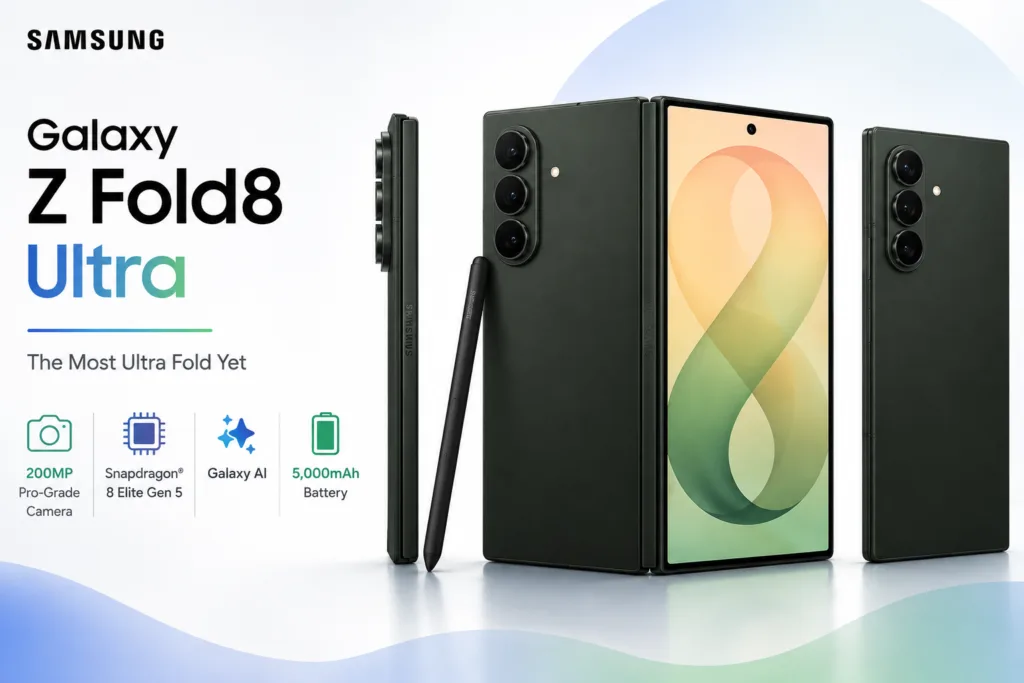
Samsung has officially expanded its foldable lineup with the Galaxy Z Fold8 Ultra, introducing what the company describes as its most capable…
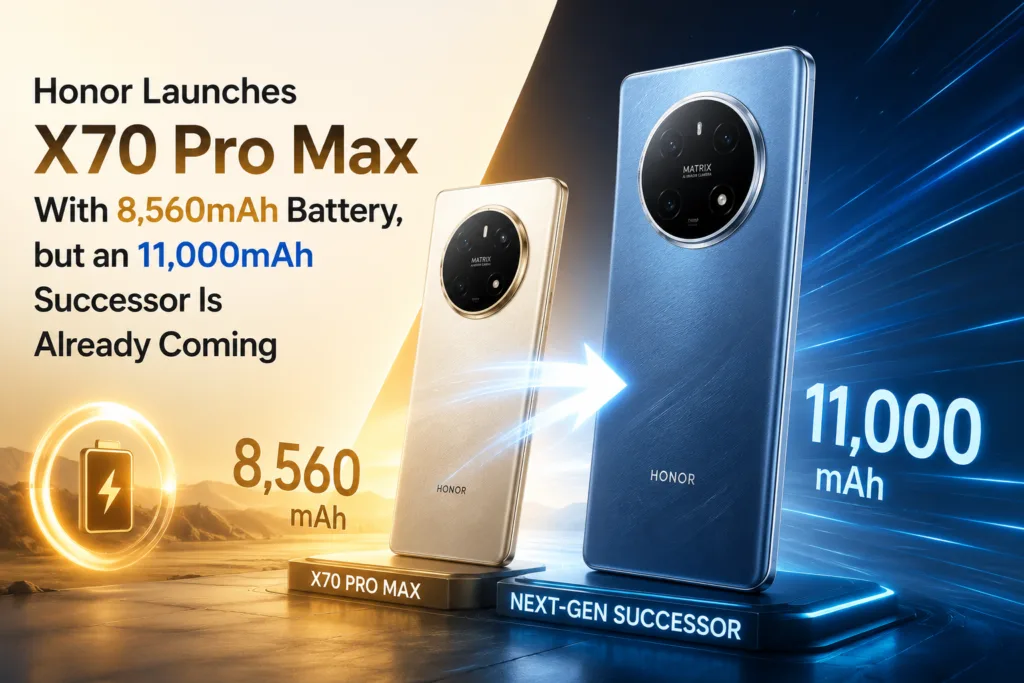
Honor has officially launched the new Honor X70 Pro Max in China, adding another battery-focused smartphone to a market that is rapidly…