Realme 16 5G vs Samsung Galaxy A37 5G: Which One Should You Buy in India in 2026?
Quick Highlights (Realme 16 5G vs Samsung Galaxy A37 5G)
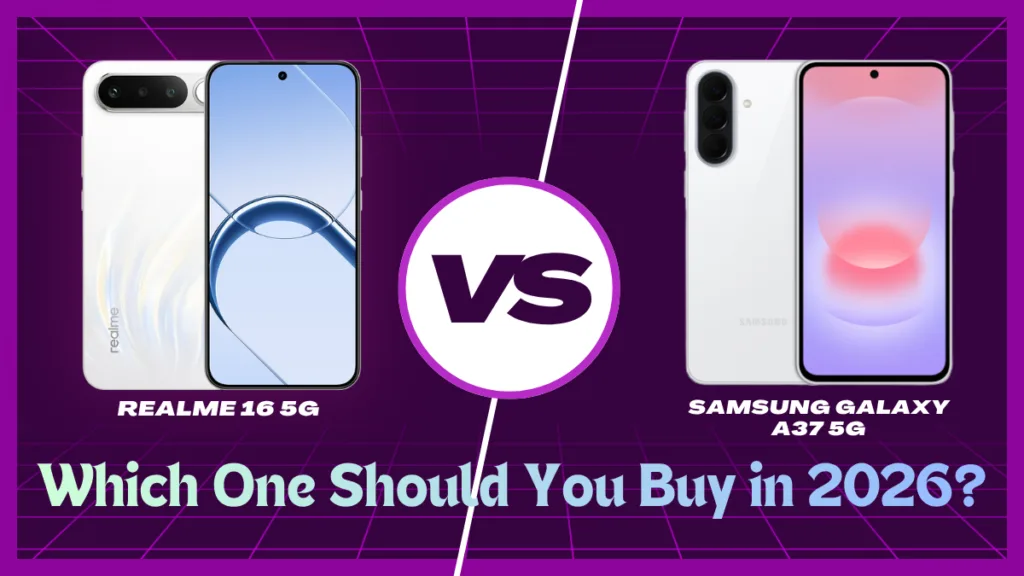
Realme and Samsung are targeting the same mid-range buyer in 2026, but their priorities couldn’t be more different. The Realme 16 5G is built around brute practicality — 7000mAh battery, IP69K-level durability, and a portrait-first camera setup with a 50MP selfie sensor. The Samsung Galaxy A37 5G, on the other hand, is playing the long game with a premium glass build, One UI 8.5, a proper triple camera system, and one of the strongest update policies in its segment.
If you’re deciding between the two, this comparison isn’t about which phone has more features on paper. It’s about which one fits the way you actually use your phone.
Realme 16 5G vs Samsung Galaxy A37 5G Price in India
| Variant | Realme 16 5G Price | Galaxy A37 5G Price |
|---|---|---|
| 8GB + 128GB | ₹31,999 | ₹41,999 |
| 8GB + 256GB | ₹33,999 | ₹47,499 |
| 12GB + 256GB | ₹36,999 | ₹52,999 |
This is where the comparison instantly shifts. Samsung’s pricing pushes the Galaxy A37 5G into near-premium territory, while Realme stays closer to the aggressive “value flagship” zone. That gap matters because at ₹52,999, Samsung is competing not just with Realme, but with several upper mid-range phones that offer more raw power.
If you want the best battery and durability, buy the Realme 16 5G. If you want long-term updates and better video recording, the Galaxy A37 5G is the safer pick.
Design and Build: Slim Premium vs Compact Practical
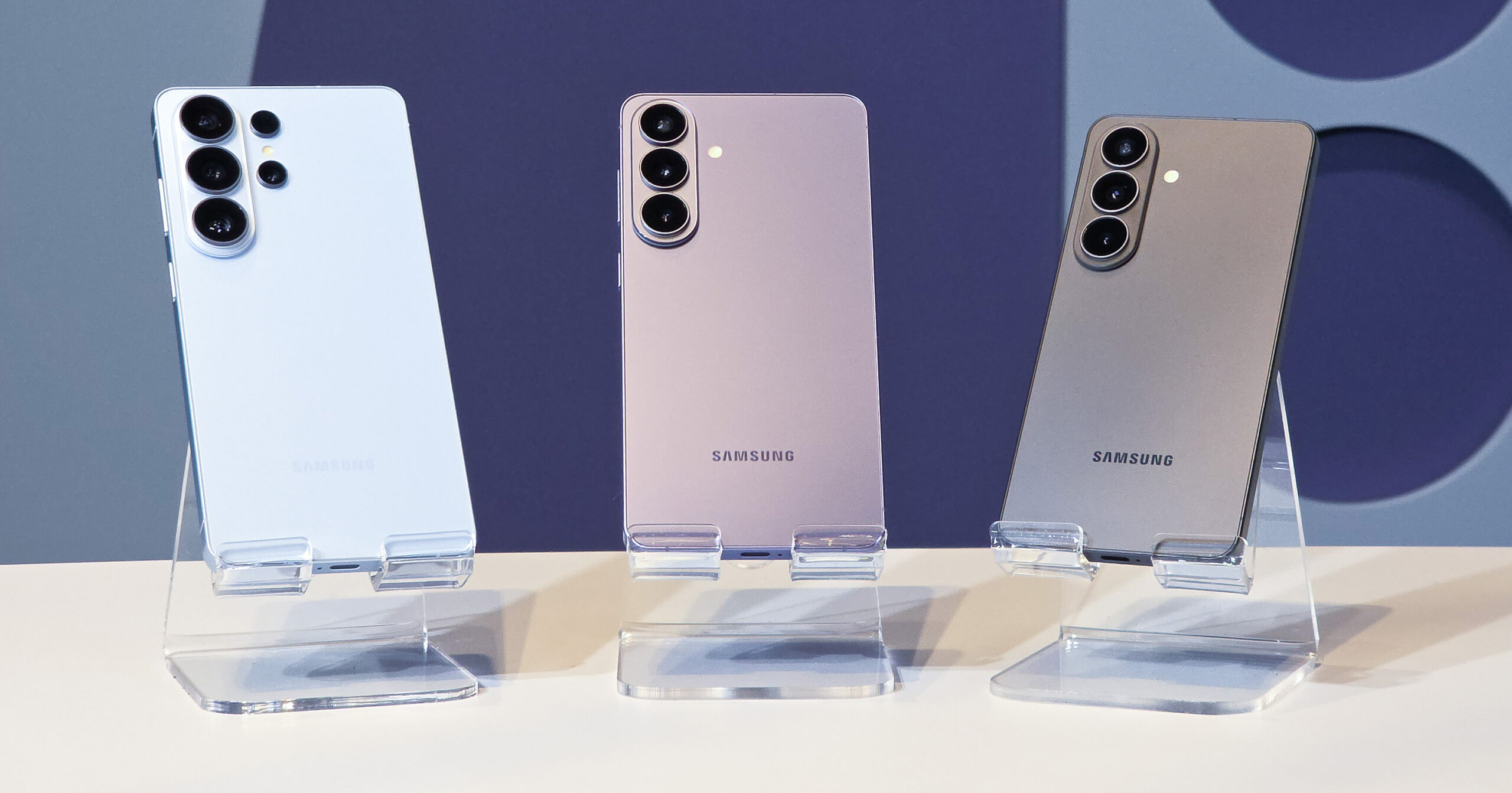
Samsung has a more premium physical presence. The Galaxy A37 5G is slimmer at 7.4mm, and its glossy glass finish gives it a flagship-like feel. Samsung’s “Ambient Island” camera housing also looks cleaner and more modern than the usual mid-range camera bumps.
Realme takes a different approach. The Realme 16 5G is slightly thicker at 8.1mm, but still impressive considering it packs a 7000mAh battery. At 183g, it’s lighter than expected, and its Gleaming Wings texture is clearly designed to attract younger buyers who want something visually expressive.
If you care about premium feel in hand, Samsung wins. If you care about daily comfort and practicality, Realme feels more purpose-built.
Durability: Realme’s IP69K Advantage Is a Big Deal
This is one category where there’s no debate.
The Realme 16 5G comes with IP66, IP68, IP69, and IP69K certification, meaning it’s designed for dust, submersion, and even high-pressure water exposure. That’s rare even in flagship phones.
Samsung doesn’t list an equivalent high-end durability certification in the provided specs. While Samsung phones are generally reliable, Realme’s official IP rating advantage is simply on another level.
If durability matters, the Realme 16 5G is in a different class.
Display Comparison: Samsung Has Super AMOLED, Realme Has Extreme Brightness
Both phones are built around a smooth 120Hz AMOLED experience, and for most users, both will feel premium.
Realme uses a 6.57-inch flexible AMOLED with a claimed 4200 nits peak brightness, plus 2160Hz PWM dimming and 10-bit color output. That brightness figure is the kind of spec that makes outdoor visibility genuinely impressive.
Samsung uses a 6.7-inch Super AMOLED (17.01 cm) FHD+ display with slimmer bezels and Vision Booster. Samsung doesn’t list peak brightness in the provided specs, but its AMOLED calibration is usually more consistent and balanced.
Realme is the phone for people who want punchy brightness and color impact. Samsung is the phone for those who prefer refined tuning.
Performance: Realme’s Dimensity vs Samsung’s Optimized Ecosystem
Realme uses the MediaTek Dimensity 6400 Turbo, paired with LPDDR4X RAM and UFS 2.2 storage. It’s positioned as an efficiency-focused 6nm chip, designed for smooth daily usage rather than raw benchmark dominance. Realme’s FLUX ENGINE is also meant to keep animations stable and reduce long-term slowdown, backed by its 72-month fluency testing claim.
Samsung’s Galaxy A37 5G is powered by an octa-core processor (Samsung lists CPU speeds of 2.75GHz + 2GHz). The bigger advantage is memory: Samsung uses LPDDR5X RAM, which is faster and better for heavy multitasking.
Samsung also includes a vapor chamber cooling system and claims CPU performance improvements of 12% and GPU improvements of 19% over the previous model.
In real-world terms, both will feel smooth. But Samsung is likely to hold its performance better under heavy multitasking and long-term updates.
Camera Comparison: Realme Wins Selfies, Samsung Wins Versatility
This is one of the most important differences between these phones.
Realme is portrait-focused. Samsung is all-rounder focused.
Realme 16 5G gives you a dual setup with a 50MP Sony IMX852 wide camera and a 2MP monochrome sensor. The highlight is its 50MP front camera, which is extremely rare at this price.
Samsung Galaxy A37 5G uses a triple camera system: 50MP main + 8MP ultra-wide + 5MP macro, plus a 12MP selfie camera with Super HDR support.
For people photography and selfies, Realme has the bigger hardware advantage. But Samsung’s ultra-wide lens makes it more flexible for travel and group shots.
If your camera usage is mostly portraits and selfies, Realme feels built for you. If you want variety, Samsung is stronger.
Video: Samsung Clearly Wins With 4K Recording
Realme maxes out at 1080p 60fps video recording on both cameras. It also supports underwater video modes, which matches its rugged IP certifications.
Samsung supports UHD 4K video at 30fps and even offers 240fps slow motion at HD. Samsung also includes OIS, which improves stabilization and low-light video performance.
If you record videos regularly — especially travel, events, or reels — Samsung is the better tool.
Battery and Charging: Realme’s 7000mAh Is the Real Selling Point
This is where Realme dominates.
The Realme 16 5G packs a massive 7000mAh Titan Battery, and Realme claims 6-year battery health, backed by its 1600 cycle rating. It also supports 60W fast charging and includes All-Scenario Bypass Charging, which is genuinely useful for gamers and long screen sessions.
Samsung sticks to a 5000mAh battery, which is still solid, but not competitive against 7000mAh. Samsung does support Super Fast Charging 2.0, and claims up to 60% charge in 30 minutes, but battery longevity is still not in Realme’s league.
If battery is your priority, this comparison ends here — Realme wins.
Connectivity and Extras: Samsung Feels More Complete
Samsung wins the “everyday flagship extras” category.
Galaxy A37 5G includes Wi-Fi 6, Bluetooth 5.3, and importantly NFC, which is becoming increasingly relevant for payments and smart accessories.
Realme 16 5G supports Wi-Fi 5 and does not support NFC in the provided spec sheet. Realme does include an IR blaster, which is still extremely useful in India for TV and AC control.
Samsung feels more future-ready globally. Realme feels more India-practical.
Software and Updates: Samsung’s 6-Year Promise Is a Big Advantage
Realme ships with realme UI 7.0, featuring its Light Glass design, and it includes long-term fluency claims plus monthly deep optimization.
Samsung ships with One UI 8.5, and the bigger headline is software support: up to 6 OS upgrades and 6 years of security updates. That’s flagship-level commitment.
If you keep phones for 4–5 years, Samsung is the safer bet.
And if you’re interested in phones designed around real-world usage trends, don’t miss our feature on the POCO X8 Pro Max concept-driven phone approach.
Realme 16 5G vs Galaxy A37 5G: Full Specification Comparison
| Feature | Realme 16 5G | Samsung Galaxy A37 5G |
|---|---|---|
| Display | 6.57-inch AMOLED | 6.7-inch Super AMOLED |
| Refresh Rate | 120Hz | 120Hz |
| Peak Brightness | 4200 nits | Not listed |
| Processor | Dimensity 6400 Turbo | Octa-core (2.75GHz + 2GHz) |
| RAM | LPDDR4X | LPDDR5X |
| Storage | UFS 2.2 | Not specified |
| Rear Cameras | 50MP + 2MP | 50MP + 8MP + 5MP |
| Front Camera | 50MP | 12MP |
| Video | 1080p 60fps | 4K 30fps |
| Stabilization | EIS | OIS + EIS |
| Battery | 7000mAh | 5000mAh |
| Charging | 60W + bypass charge | Super Fast Charging 2.0 |
| Weight | 183g | 196g |
| Thickness | 8.1mm | 7.4mm |
| Durability | IP66/IP68/IP69/IP69K | Not specified |
| Wi-Fi | Wi-Fi 5 | Wi-Fi 6 |
| NFC | No | Yes |
| Software | realme UI 7.0 | One UI 8.5 |
| Update Policy | Not specified | 6 OS upgrades + 6 years security |
Who Should Buy the Realme 16 5G?
Who Should Buy the Samsung Galaxy A37 5G?
Final Verdict: Realme Is the Smarter Buy, Samsung Is the Safer Long-Term Choice
If you want maximum value, the Realme 16 5G is the clear winner. It delivers the kind of battery life that makes power banks unnecessary, adds flagship-grade durability with IP69K, and includes one of the strongest selfie setups in the segment with a 50MP front camera. At ₹31,999, it’s simply priced like a mid-range phone but built like something more serious.
The Galaxy A37 5G justifies its premium pricing differently. It’s not trying to beat Realme on battery size or headline specs. Instead, it offers a cleaner premium design, a more versatile triple camera setup, stronger video recording, and the biggest advantage of all — Samsung’s 6 OS upgrades and 6 years of security updates, which makes it a safer long-term investment.
If you upgrade every 2–3 years, Realme makes more sense. If you buy phones to keep for 5+ years, Samsung is the smarter long-term ecosystem bet.
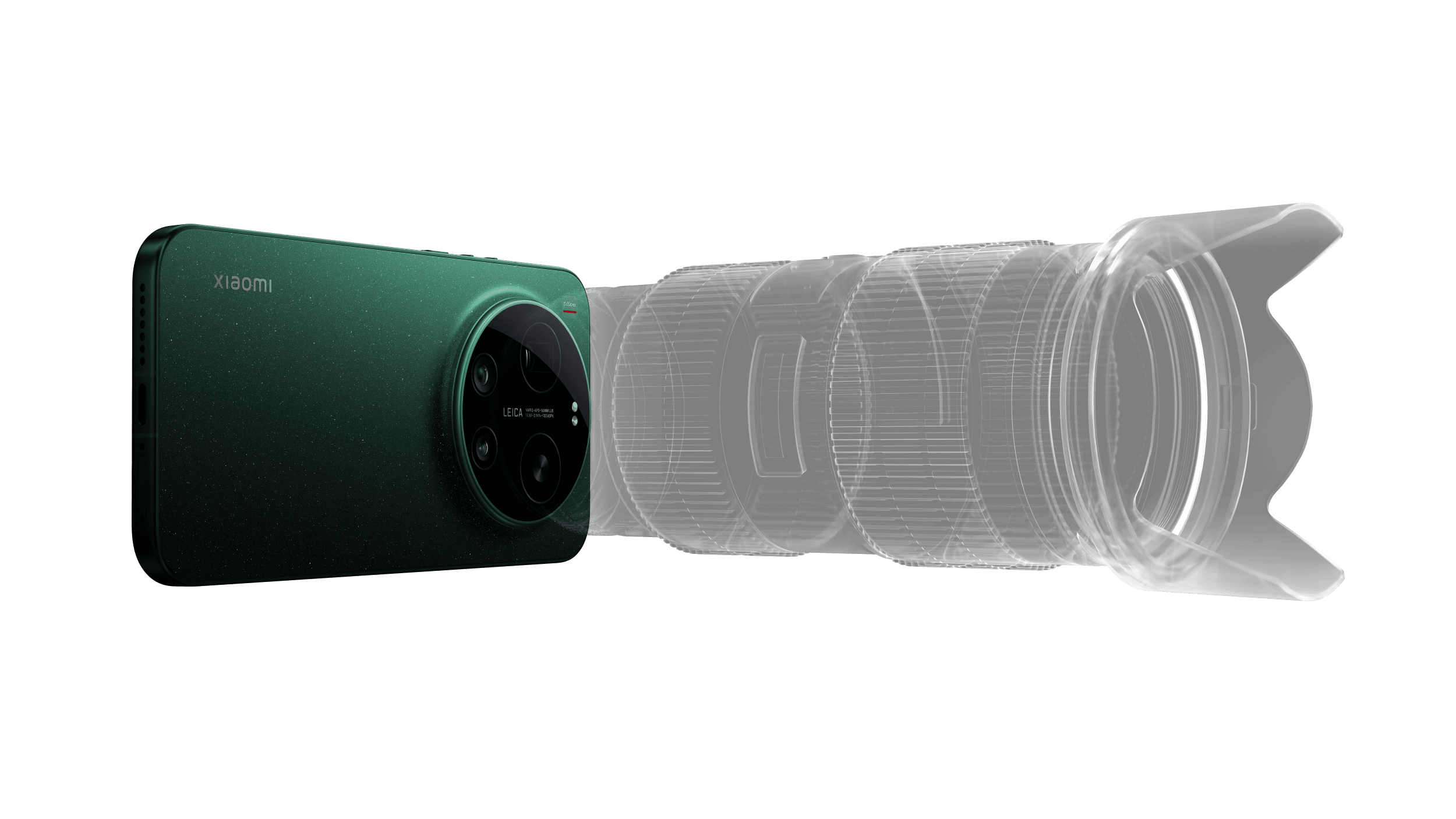
If you’re also tracking how brands are pushing camera hardware higher, you can check our coverage of the Xiaomi 17 Ultra launched in India.
For budget-focused buyers, our breakdown of the Redmi 15A 5G launched in India is also worth reading.
For official Samsung product specifications, you can visit Samsung’s official Galaxy A37 5G listing.
The Realme 16 5G is clearly better, with a 7000mAh battery compared to Samsung’s 5000mAh.
Yes, Realme uses a Sony IMX852 50MP rear sensor.
Realme wins for selfies because it offers a 50MP front camera, while Samsung uses a 12MP selfie camera.
Yes, Samsung supports 4K video recording at 30fps, while Realme maxes out at 1080p.
The Realme 16 5G is more durable with IP66/IP68/IP69/IP69K certification.
Samsung wins with 6 OS upgrades and 6 years of security updates.