Luna Band Launches With LifeOS and Voice Controls, Taking on Whoop Without a Subscription
Quick Highlights
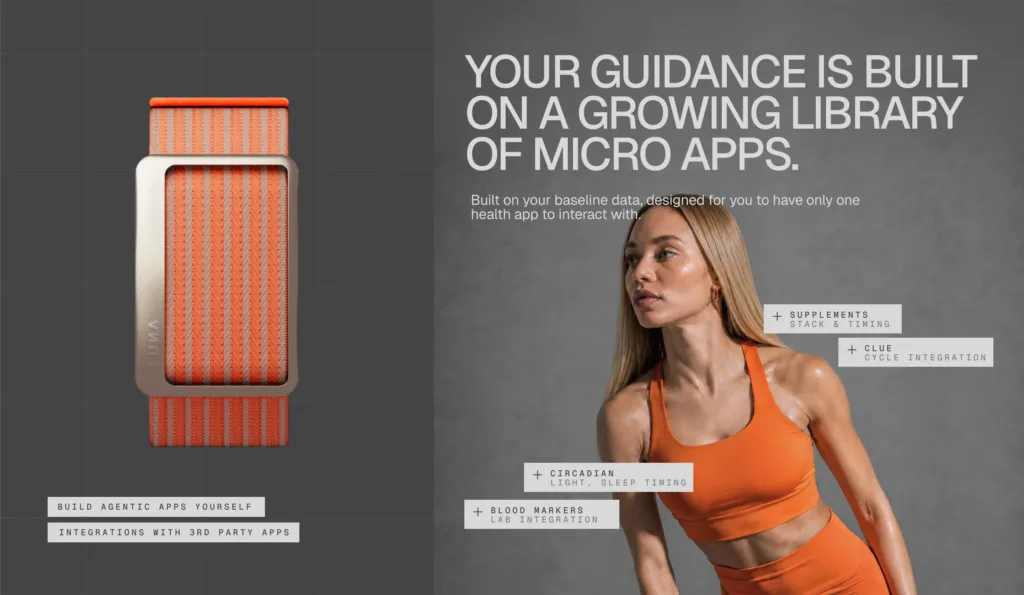
The wearable market has spent the last few years racing toward larger displays, more notifications, and increasingly complex health dashboards. Luna is heading in the opposite direction.
The company has officially unveiled the Luna Band, a screenless fitness tracker that focuses on AI-powered health insights rather than traditional smartwatch features. Instead of constantly checking a display, users interact with the wearable through voice commands while the company’s LifeOS platform works in the background to monitor health trends and daily habits.
The launch arrives at a time when wearable brands are exploring new ways to deliver health data. Devices such as the Oura Ring 5 Delivers a Dramatically Thinner Design With Advanced Health Tracking have already shown growing demand for passive wellness tracking, and Luna appears to be taking that concept even further.
A Different Approach to Fitness Tracking
Unlike most fitness bands available today, the Luna Band doesn’t include a screen.
There are no widgets, app grids, or notification panels. Instead, Luna has designed the wearable to collect health information continuously and translate it into actionable guidance through its LifeOS platform.
The tracker monitors activity levels, sleep quality, stress patterns, recovery metrics, nutrition habits, supplements, and menstrual cycles. Rather than overwhelming users with charts and statistics, the system aims to explain what those numbers actually mean and how they affect overall health.
The company says the wearable can even provide haptic reminders throughout the day, helping users stay on top of routines without needing to constantly open an app.
Voice Controls Could Be the Standout Feature

The biggest differentiator may be Luna’s voice-first experience.
Anyone who has used a health-tracking app knows how quickly manual logging becomes a chore. Recording meals, supplements, workouts, and health notes often requires several taps and multiple screens.
Luna wants to remove that friction entirely. Users can simply speak to the platform to log activities, making the process feel more natural and significantly faster.
The companion app also includes a persistent health assistant that allows users to ask questions about their wellness data. Instead of searching through menus, users can interact with the platform conversationally.
We’re seeing a broader industry shift toward voice-driven AI experiences as well. Recent reports surrounding Meta Tipped to Expand Wearables and Smart Glasses Portfolio to Reduce Reality Labs Losses suggest that major technology companies increasingly view voice interactions as a key component of future wearable devices.
LifeOS Is Designed to Connect the Dots
While the Luna Band hardware attracts attention, LifeOS is arguably the more important product.
The platform combines data from several health categories including sleep, stress, nutrition, recovery, productivity, training, and supplements. It can also connect with third-party applications, allowing users to build a more complete health profile over time.
One example shared by the company involves identifying how certain habits affect sleep quality. LifeOS could highlight that drinking caffeine after a certain time consistently reduces deep sleep duration, helping users understand the relationship between daily behavior and long-term wellness.
This cause-and-effect approach reflects a larger movement within consumer AI products. Similar trends can be seen across emerging AI platforms, including ElevenLabs Unveils Powerful Music v2 AI Model With Dynamic Genre Switching, where software is increasingly focused on interpreting data rather than simply presenting it.
Health Clone Adds a Personalized Layer
Another feature Luna is introducing is called Health Clone.
The system creates a long-term digital representation of a user’s health by combining biomarkers, blood markers, lifestyle patterns, medical history, and contextual information gathered over time.
As more information is collected, recommendations become increasingly personalized. Rather than relying on generic wellness advice, LifeOS attempts to build insights based on the individual’s own health profile.
The goal is to transform health tracking from a reactive process into something more proactive, helping users identify patterns before they become larger issues.
No Subscription Could Become a Major Selling Point
One of the most surprising aspects of the Luna Band is what it doesn’t require.
The company has confirmed that LifeOS will be included without an ongoing subscription fee. Users will have access to health insights, tracking tools, and AI-powered recommendations without paying a recurring monthly charge.
That immediately sets Luna apart from competitors such as Whoop, which relies heavily on subscription-based access to its platform.
As consumers become more selective about recurring expenses, a one-time purchase model could help Luna attract users looking for advanced health tracking without another monthly bill.
Availability and Launch Timeline
Luna has confirmed that the Band will launch through an invite-only rollout initially.
Interested buyers can join the waitlist now, while shipments are expected to begin at the end of July 2026. The wearable will be available in Black, Green, and Orange colour options.
For more information and waitlist registration, users can visit the official Luna website.
TechularZtrix Take
The Luna Band feels less like another fitness tracker and more like a challenge to the way wearables currently operate. Most health-focused devices still depend on screens, notifications, and endless streams of data. Luna is betting that people don’t actually want more information — they want clearer answers.
The real test will be whether LifeOS can consistently deliver useful recommendations that genuinely improve daily habits. If the platform succeeds, the screenless approach could become one of the more interesting developments in the wearable industry over the next few years.
The absence of a subscription fee strengthens the proposition even further. At a time when consumers are paying recurring fees for everything from streaming services to fitness platforms, Luna’s decision to include its software experience at no additional cost could become one of its strongest competitive advantages.
Whether it ultimately challenges established names like Whoop or Fitbit remains to be seen, but Luna is at least trying something different—and in today’s wearable market, that alone makes it worth watching.