Meta’s Ambitious Wearables Push Could Bring AI Pendant and Multiple Smart Glasses in 2026
Quick Highlights

Meta could be preparing one of its biggest wearable hardware expansions yet. According to a recent report from The Information, the company is working on an AI-powered pendant while also planning several new smart glasses models aimed at accelerating adoption of its AI ecosystem.
The reported roadmap suggests Meta wants to move beyond its current Ray-Ban and Oakley collaborations and establish a broader portfolio of AI-powered wearables. The move aligns with the company’s long-term vision of making artificial intelligence accessible through everyday devices rather than relying solely on smartphones and traditional computers.
The development also arrives as AI-powered consumer hardware becomes one of the fastest-growing segments in the technology industry. Similar trends can be seen across products covered in our recent reports on YouTube Will Now Automatically Label AI Videos and ElevenLabs’ New Music-Generation Model Can Switch Genres Mid-Track, where AI continues to expand into mainstream consumer experiences.
Meta Could Be Working on an AI Pendant
One of the most interesting claims in the report is that Meta is developing an AI-powered pendant that could begin testing over the next year. The project reportedly follows Meta’s acquisition of Limitless in 2025.
Limitless was known for creating an AI wearable called Pendant, a clip-on device capable of recording conversations and generating searchable transcripts, summaries, and notes throughout the day. While Meta has not officially confirmed its plans for a similar product, the acquisition naturally fueled speculation that the company would eventually expand into AI-powered wearable assistants beyond smart glasses.
If such a product reaches consumers, it could serve as another way for users to interact with Meta AI without needing to constantly reach for their phones.
Multiple New Smart Glasses Reportedly in Development
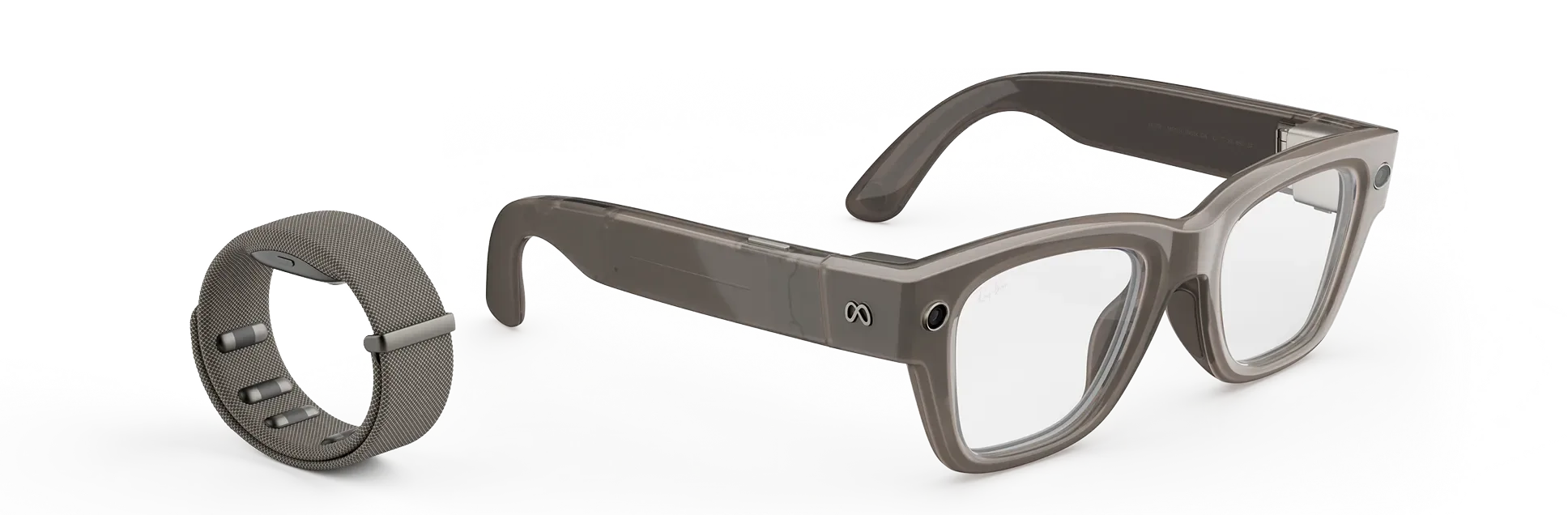
The report also claims Meta is preparing several new smart glasses models that could launch before the end of 2026.
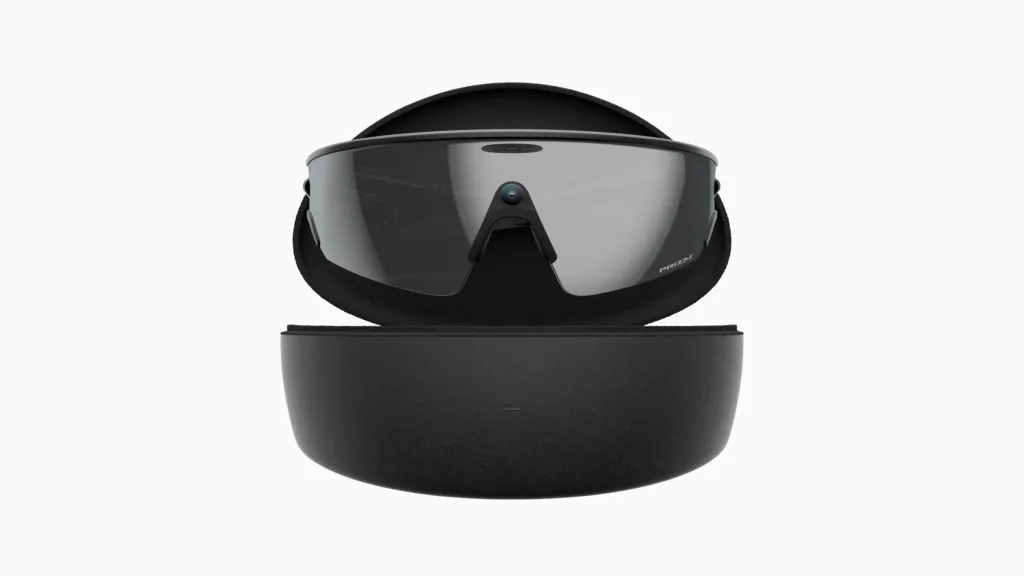
Meta’s smart eyewear efforts have already gained momentum through its partnership with Ray-Ban, which helped bring AI-powered glasses to mainstream consumers. According to the leaked roadmap, the company wants to significantly expand its lineup with multiple new hardware variants.
Several internal codenames reportedly mentioned include:
- Modelo
- Luna
- RBM2 Refresh
- Mojito VIP
Additional projects known internally as Artemis and SSG (Supersensing Glasses) are also said to be under testing for future releases.
While specific specifications remain unknown, the new devices are expected to continue integrating Meta AI capabilities directly into wearable hardware, allowing users to access voice assistance, camera functions, and contextual AI features through glasses.
Reality Labs Continues to Drive Meta’s Wearable Strategy
Meta’s increased focus on wearables comes at a critical time for its hardware business.
The company’s Reality Labs division, which oversees virtual reality, augmented reality, and wearable hardware projects, reportedly recorded losses of approximately $19 billion during 2025. As a result, Meta appears increasingly focused on product categories with stronger mainstream appeal and faster adoption potential.
During previous earnings discussions, Mark Zuckerberg emphasized that glasses and wearable technologies would play a central role in Meta’s future hardware ambitions. Compared to bulky VR headsets, smart glasses offer a more practical and socially acceptable way for users to interact with AI throughout the day.
This strategy mirrors a broader industry shift toward lightweight AI-powered devices designed to remain available at all times while blending naturally into daily routines.
Meta May Expand AI Services Alongside Hardware
Beyond hardware, the report suggests Meta is exploring new services aimed at increasing adoption of its AI platform.
One initiative reportedly under consideration is a business-focused offering called Wearables for Work. The service would target commercial customers looking to deploy AI-powered wearables across workplaces and larger organizations.
Meta is also reportedly working on deeper AI integrations across future wearable products, potentially encouraging greater usage of its growing family of AI models.
Although many of these plans remain unconfirmed, they indicate that Meta views wearables as one of the most important gateways for bringing AI into everyday life.
What This Means for the Wearables Market
The wearable technology market is quickly evolving beyond fitness trackers and smartwatches. Companies are increasingly betting that AI-powered glasses, voice assistants, and ambient computing devices will become the next major consumer technology category.
Meta’s reported roadmap shows the company is determined to compete aggressively in that space. By combining AI capabilities with familiar products like glasses and wearable accessories, Meta hopes to make artificial intelligence a constant companion rather than an occasional tool.
Whether consumers embrace AI pendants and additional smart glasses remains to be seen, but Meta appears ready to invest heavily in finding out.
TechularZtrix Take
Meta’s wearable strategy looks far more practical than its earlier focus on expensive virtual reality hardware. Smart glasses already have a proven consumer audience, and adding more models could help Meta reach different price points and user segments. The AI pendant is the more intriguing project, as it could introduce a completely new category of AI-powered personal devices. For now, most of these plans remain based on reports and internal leaks, but Meta’s direction is becoming increasingly clear: AI wearables are likely to be the company’s next major battleground.
For official company updates, readers can follow announcements from Meta Newsroom.