Android 17 to Introduce New OS Verification Tool to Curb Distribution of Unofficial Versions
Quick Highlights
Google is preparing a major security-focused addition with Android 17, aimed at tackling one of the platform’s most under-discussed risks: the spread of unofficial and modified Android builds that mimic the real thing.
During The Android Show: I/O Edition, Google highlighted that while most Android devices run certified versions of the OS through Google Mobile Services (GMS), a growing number of bad actors are distributing counterfeit Android software that appears legitimate but quietly compromises device security. To address this, Google has announced a new feature called Android OS Verification, which is expected to arrive with the Android 17 update.
For official Android update announcements and security details, users can refer to Google’s Android Developers blog.
Android 17 OS Verification: What Google Is Introducing
Google has confirmed that it is introducing a new feature called Android OS Verification with Android 17. The tool is designed to help users verify whether their device is running a legitimate, official Android build or an unofficial modified version.
This matters because counterfeit Android builds are not just about copying the interface. Google warns that these fake versions can be built with hidden modifications that compromise the operating system’s integrity, potentially exposing user data and weakening security protections.
In short, Android OS Verification is meant to provide users with a clearer way to confirm the authenticity of the software installed on their phone.
Why Google Is Taking This Step Now
Google says that most Android smartphones are certified through Google Mobile Services (GMS), which acts as a trusted marker that the device provides a secure and reliable Android experience.
However, the company claims it has noticed an increase in unofficial Android versions being distributed by bad actors. These modified builds are reportedly designed to look identical to genuine Android, making it difficult for normal users to identify the difference.
That is a serious problem because many buyers, especially in developing markets, may unknowingly purchase devices with tampered software—believing they are running authentic Android.
This is the same type of growing ecosystem security challenge we are seeing across other platforms too, as AI and cloud-based features become more common. Similar privacy-first upgrades are also being introduced in messaging platforms, as seen in WhatsApp Introduces Incognito Chat With Meta AI for Private Conversations.
How Android OS Verification Will Work
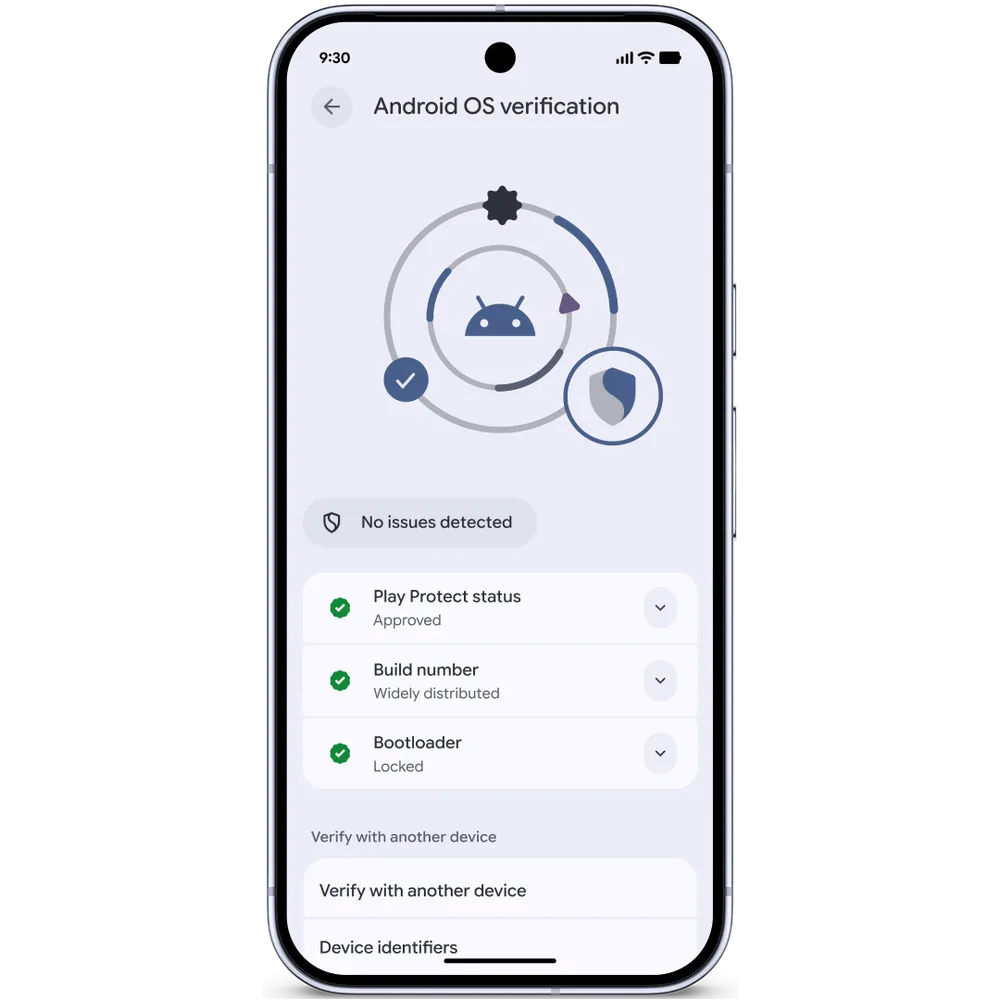
According to Google, the Android OS Verification tool will allow users to confirm whether their phone is running a widely distributed and official Android build.
The goal is not just to reassure advanced users, but to protect everyday users who may not understand how Android certification works. If the OS verification tool is built into Android 17 in an easy-to-check format, it could become a practical security feature for anyone buying a new phone or checking a second-hand device.
At launch, the feature is expected to be available first on Google Pixel smartphones, since Pixel devices are typically the first to receive Android updates.
A Public Ledger for Google Apps: A New “Source of Truth”
Alongside OS Verification, Google is also introducing something more technical but potentially far more important: a publicly available append-only ledger.
Google describes this as a “Source of Truth” that will provide cryptographic proof of the authenticity of Google apps, including foundational GMS APIs.
The concept is simple: if an app claims to be Google-signed but is not listed on the ledger, Google says it did not release it.
This could significantly reduce the effectiveness of fake Google apps that attempt to imitate legitimate services, especially in regions where modified Android devices are sold with unofficial app stores and tampered system apps.
Why This Could Be a Big Deal for Android Security
This move shows that Google is trying to tighten control over Android’s weakest point: fragmentation and unofficial builds.
Android has always been open by design, but that openness has also allowed counterfeit software to spread more easily compared to platforms like iOS. If Android OS Verification becomes widely available beyond Pixel phones, it could strengthen trust in Android certification across the entire ecosystem.
For buyers, it could also become a new checklist feature—similar to checking battery health or IMEI status—before trusting a device.
This is especially relevant as Android devices increasingly become digital wallets, work devices, and identity tools.
Rollout Timeline: Android 17 Beta Now, Stable Release Soon
Android 17 is currently in the beta testing stage. Google has indicated that the stable update is expected to roll out in the coming weeks, beginning with Pixel smartphones.
It is likely that other brands will adopt the feature later as they roll out Android 17-based updates on their own skins.
Samsung, for example, is already testing Android 17-based One UI builds, and the company has been actively experimenting with new security and productivity tools as well. A recent example is Samsung One UI 9 Leak Reveals Powerful Network-Based Focus Mode to Block Social Media and Streaming Apps.
TechularZtrix Take: Android 17 Is Quietly Becoming a Major Security Upgrade
Android 17’s AI improvements may dominate headlines, but this OS Verification system could end up being one of the update’s most important long-term features.
If Google delivers this tool in a way that is easy to access and understand, it could become a powerful defense against counterfeit Android builds, fake Google apps, and modified software that silently compromises devices.
For everyday users, this feature could mean more confidence in the phone they’re using—and fewer chances of unknowingly running a risky Android version.
Android’s openness isn’t going away, but Android OS Verification signals that Google is now more serious about protecting the authenticity of the Android ecosystem.
Android OS Verification is a new feature that helps users verify whether their device is running an official Android build.
Google says counterfeit and modified Android versions are being distributed, which can compromise security and privacy.
It will launch first on Pixel phones, but it may expand to other Android brands as they roll out Android 17 updates.
It is a new append-only ledger that provides cryptographic proof of authenticity for Google apps and GMS APIs.
Android 17 stable rollout is expected in the coming weeks, starting with Google Pixel devices.