Beyond the Chatbot: How Google I/O 2026 Just Rewrote the Rules of AI
Quick Highlights
Google I/O 2026 made one thing very clear — Gemini is no longer just an AI chatbot sitting inside a search bar. Google is now turning Gemini into the core layer powering Search, Android, productivity apps, smart glasses, and even future automation workflows.
This year’s event focused heavily on “agentic AI,” where Gemini can understand context, automate tasks, and interact across multiple apps with far less manual input from users. Instead of simply answering questions, Google now wants Gemini to actively help manage digital life.
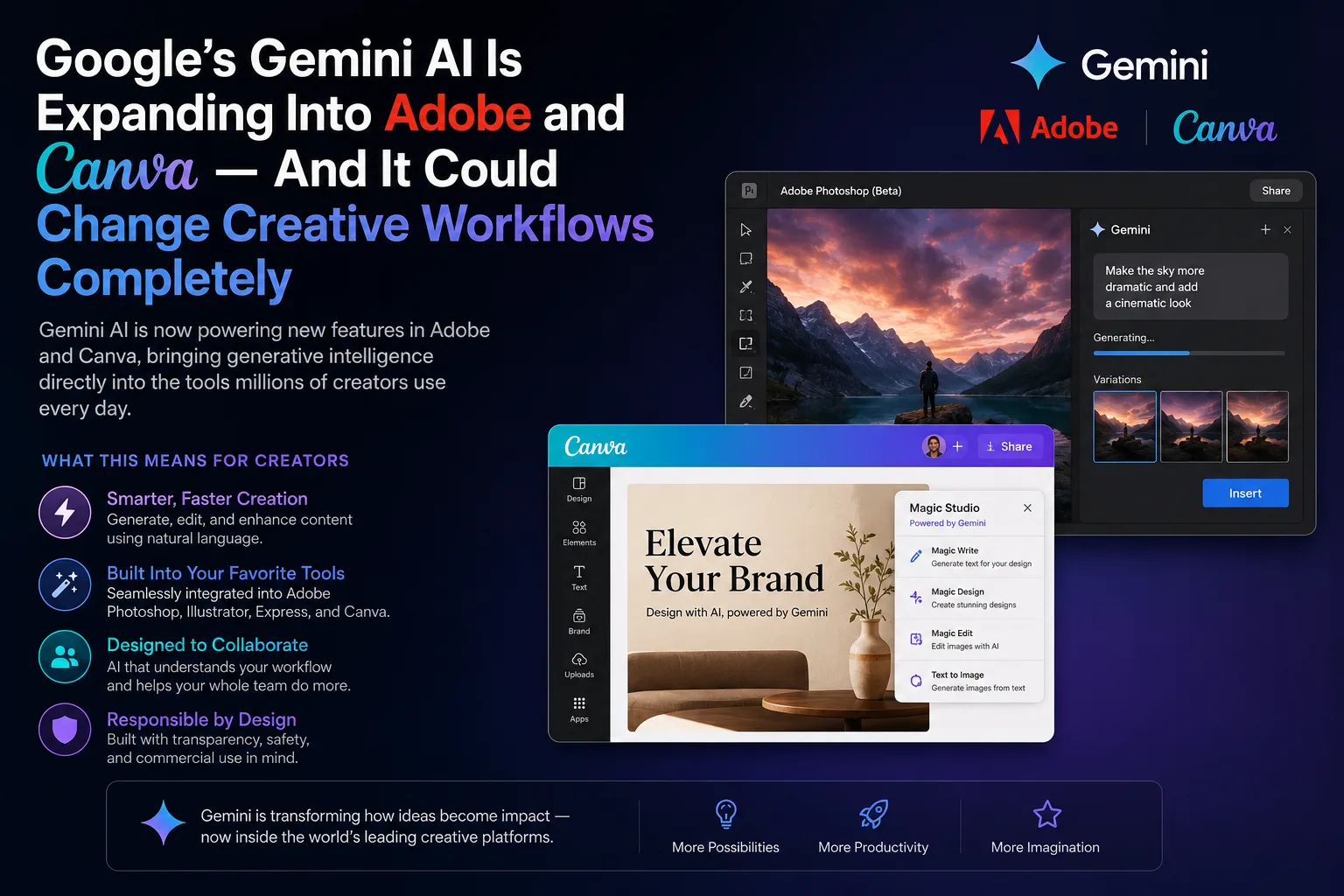
That broader expansion of Gemini across apps and ecosystems also became increasingly visible after Google’s Gemini Offers Agentic Design Creation With New Adobe and Canva Connectors revealed how the AI assistant is moving directly into creative workflows and third-party platforms.
Google Search Is Starting to Feel Less Like Search
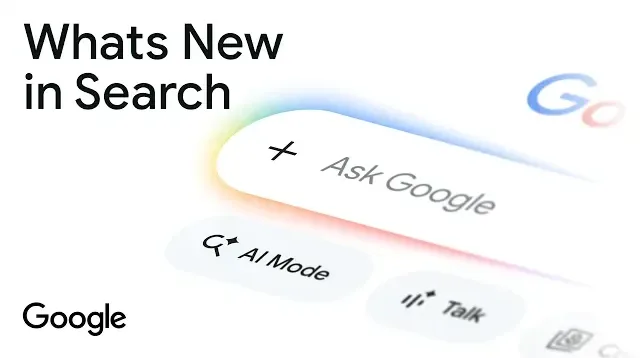
One of the biggest changes announced at Google I/O 2026 was the company’s upgraded AI-powered Search experience.
Google says Search can now better understand intent instead of simply reacting to keywords. Users will also be able to search using images, videos, Chrome tabs, and more natural conversational prompts.
The updated experience is powered by Gemini 3.5 Flash, which also improves Google’s AI Mode for follow-up questions and deeper interactions.
Rather than acting like a traditional search engine, Google now appears to be positioning Search as a conversational assistant capable of understanding context over time.
That same shift toward more natural AI communication was also highlighted after Are You Really Going to Talk to Gemini Like That? explored how Google is encouraging users to interact with Gemini using casual speech and unstructured prompts instead of rigid commands.
Gemini Spark Pushes Google Into AI Automation
Google also introduced Gemini Spark, a cloud-powered AI assistant designed to automate everyday tasks across apps and services.
The company demonstrated Gemini Spark organizing notes, summarizing emails, creating documents, monitoring subscriptions, and even interacting with third-party services like OpenTable and Instacart.
Instead of manually moving between apps, users can now ask Gemini to complete multi-step tasks on their behalf.
This represents one of Google’s biggest pushes yet toward AI agents capable of acting independently while still requiring user confirmation for major actions like purchases or bookings.
The entire strategy suggests Google wants Gemini to become less of a chatbot and more of a digital operating layer sitting above apps and services.
Android XR Smart Glasses Return to the Spotlight
Google and Samsung also shared another preview of Android XR smart glasses developed alongside fashion brands like Gentle Monster and Warby Parker.
The glasses are designed around Gemini integration and support features like live translation, contextual AI assistance, photo capture, and hands-free conversations.
Google demonstrated real-time text translation and voice translation directly through the glasses, giving another glimpse into how the company sees AI-powered wearables evolving over the next few years.
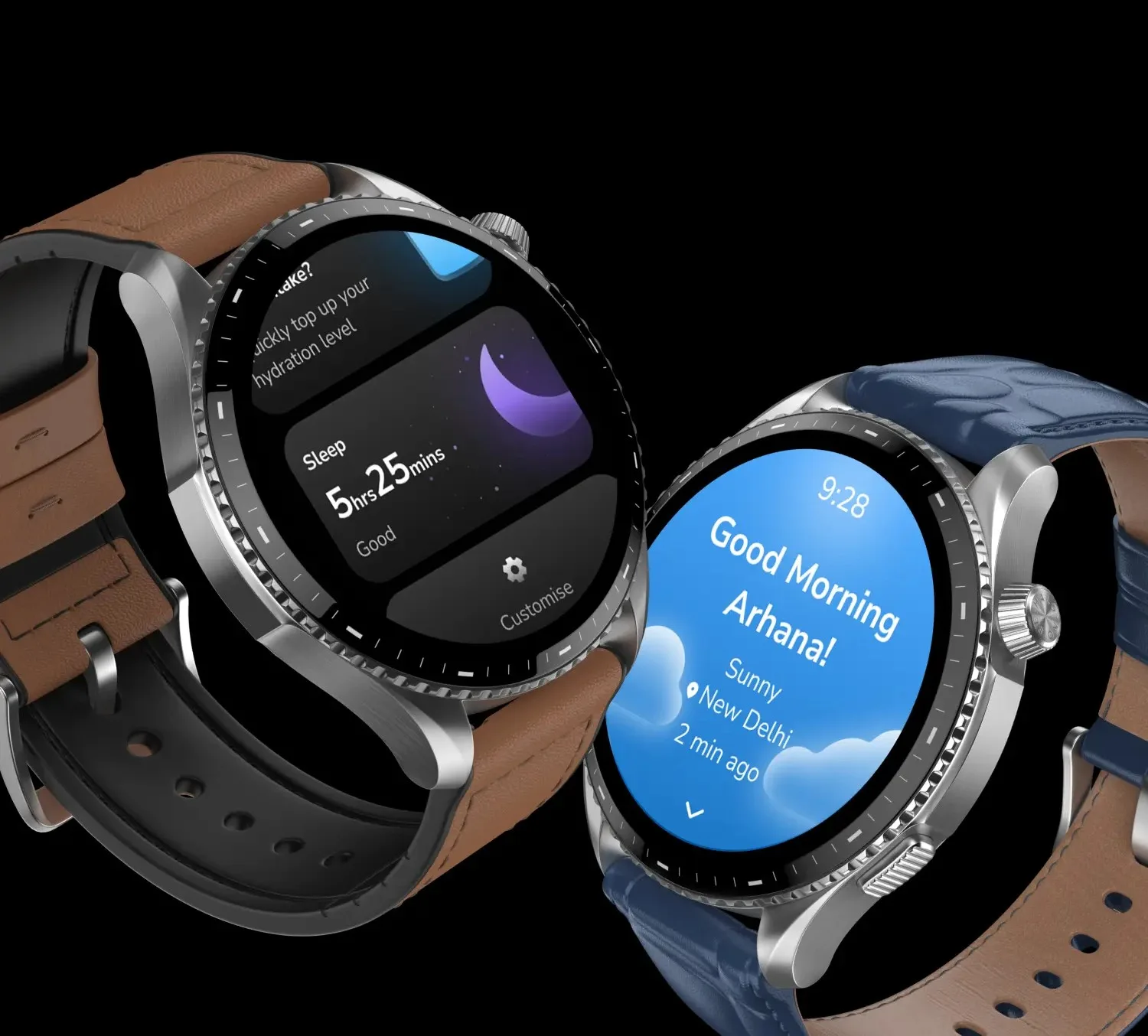
This growing push toward AI-powered wearable devices closely follows Google I/O 2026: Wear OS 7 Announced With Gemini Intelligence, Wear Widgets, Live Updates, More, where Google showcased Gemini integration for smartwatches and Wear OS devices.
Google’s AI Subscription Push Is Getting Bigger
Alongside the new AI features, Google also expanded its subscription plans with updated AI Pro and AI Ultra tiers.
The company says the new plans offer significantly higher Gemini usage limits, larger cloud storage allowances, and access to experimental AI tools like Project Genie.
Project Genie is one of Google’s more ambitious AI experiments and can reportedly generate interactive 3D worlds using Street View imagery.
Google’s pricing strategy shows how quickly premium AI services are becoming a major business category across the tech industry.
TechularZtrix Take
Google I/O 2026 felt less like a normal software keynote and more like a roadmap for how Google wants people to interact with technology in the future.
Instead of opening apps, typing searches, or manually managing workflows, Google increasingly wants Gemini to handle those tasks automatically in the background.
The company’s biggest advantage remains its ecosystem. Gemini is already spreading across Android, Search, Workspace, Wear OS, Chrome, and now XR hardware. That scale could allow Google to push AI deeper into everyday computing faster than most competitors.
At the same time, the growing dependence on AI agents also raises larger questions about privacy, over-automation, and how much decision-making users are willing to hand over to software.
Still, after I/O 2026, one thing is obvious: Google no longer sees AI as a feature. It now sees Gemini as the future interface for everything.
For more details, Google’s official I/O announcements provide additional information about the company’s latest Gemini ecosystem updates.