

GTA 6 Is Coming to Xbox One Through Cloud Gaming on November 19: What Players Need to Know
Microsoft has confirmed a major change to how players will be able to access Grand Theft Auto VI when it launches on…
DISPATCH WIREEXPLORE
 TECHULARZTRIXTMPrecision Technology Editorial
TECHULARZTRIXTM
For years, moving from an iPhone to an Android phone has been one of the biggest hurdles preventing users from changing ecosystems. While Android manufacturers have offered migration apps for a long time, the setup process often involved downloading additional…
TechularZtrixEDITORIAL DESK · UPDATED 
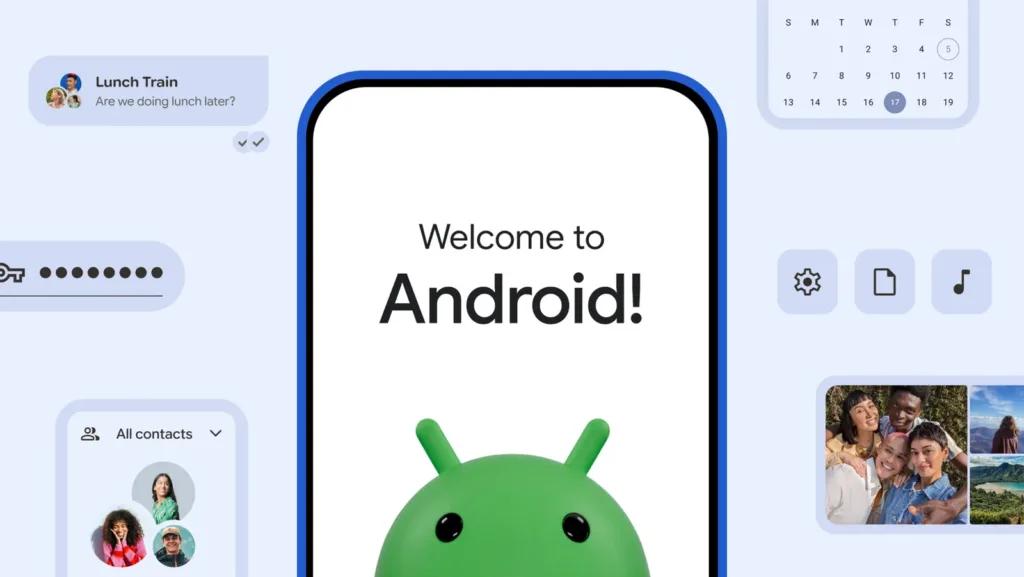
For years, moving from an iPhone to an Android phone has been one of the biggest hurdles preventing users from changing ecosystems. While Android manufacturers have offered migration apps for a long time, the setup process often involved downloading additional software, connecting cables, or manually transferring certain types of data.
Google now wants to eliminate much of that friction.
With Android 17, the company has introduced a native iPhone-to-Android migration tool that is built directly into the operating system. Instead of relying on third-party utilities or separate migration applications, users can now transfer most of their important information wirelessly during the initial setup process.
The update represents another step in Google’s broader effort to make Android more approachable for users considering their first switch from Apple’s ecosystem.
Changing smartphones isn’t just about buying new hardware.
Most people want their photos, contacts, messages, saved passwords, calendars, and Wi-Fi networks to move with them without losing anything along the way.
Historically, this process has been much smoother inside Apple’s own ecosystem. Buying a new iPhone often allows users to restore almost everything automatically from iCloud with minimal effort.
Android users, however, have usually needed additional migration apps or manufacturer-specific tools.
While Google’s Switch to Android application already simplified the process to some extent, downloading another app before even setting up a new phone still added unnecessary steps.
Android 17 changes that by integrating migration directly into the operating system itself.
The biggest difference is convenience.
The migration process now begins during Android’s standard device setup, allowing users to move data from their iPhone without searching for separate applications or additional utilities.
Google says the new system supports wireless transfers for:
The inclusion of password synchronization and eSIM transfer makes this one of the most complete migration systems Android has offered so far.
For users upgrading to newer Android devices, the experience feels much closer to what iPhone owners have traditionally enjoyed when moving between Apple devices.
One of the most noticeable improvements is that the entire migration process is designed to happen wirelessly.
Users no longer need to connect both phones using cables simply to begin transferring data.
Instead, compatible devices communicate directly during setup, allowing important information to move across automatically.
Depending on the amount of content being transferred, the process can still take some time—especially for users with thousands of photos or videos—but eliminating additional setup requirements makes the experience considerably more straightforward.
The goal is simple: spend less time configuring a new phone and more time actually using it.
Perhaps the most important improvement isn’t photos or contacts—it’s eSIM migration.
As more smartphone manufacturers adopt eSIM technology, transferring mobile network profiles has become increasingly important.
Previously, users often needed assistance from their carrier or had to manually activate new eSIM profiles after switching devices.
Android 17 now supports moving compatible eSIM information during the migration process, reducing another common pain point for users leaving the iPhone ecosystem.
For many people, this could remove one of the last major obstacles to changing platforms.
Another welcome addition is the ability to migrate stored passwords and Wi-Fi credentials.
Instead of manually entering dozens of saved Wi-Fi passwords or logging back into every application individually, Android 17 can now bring much of this information across automatically.
That creates a much smoother first-day experience on a new phone.
Google says supported Google Account information also transfers during setup, allowing users to begin using their new Android device with far fewer interruptions.
Google has already started rolling out the new migration experience to select Pixel smartphones, with wider availability expected as Android 17 expands across eligible devices.
Samsung is among the first manufacturers to adopt the feature outside Google’s own hardware. The company has confirmed that the new migration system will be available on the Galaxy Z Flip8 and Galaxy Z Fold8, giving new foldable buyers a much easier way to move from an iPhone without relying on third-party software.
Google also says support will gradually expand to additional Android devices from other manufacturers over the coming months.
Google has been steadily improving Android’s onboarding experience over the past few years, but this update clearly targets one of Apple’s biggest strengths—its tightly connected ecosystem.
For years, Apple has made moving from one iPhone to another almost effortless, encouraging users to stay within its ecosystem. Google is now taking a similar approach by removing as many barriers as possible for users buying their first Android phone.
The new migration experience is part of Google’s broader Android strategy, which extends well beyond data transfer. Alongside this feature, Android 17 introduces smarter multitasking, stronger privacy controls, creator-focused tools, and improved device continuity. If you want to explore everything included in Google’s latest operating system, read Android 17 Officially Rolls Out With Powerful New Multitasking, Privacy and Gaming Features.
Interestingly, Google’s latest move also comes shortly after Apple introduced several software improvements of its own. While Apple continues refining the iPhone experience with updates like iOS 27 Has More Than 20 Hidden Features Apple Didn’t Mention During WWDC 2026, Google is concentrating on making the switch to Android far less intimidating for users who may be considering a new ecosystem.
Although the new migration tool is one of Android’s biggest improvements yet, it doesn’t completely eliminate every limitation.
Certain app-specific data, subscription settings, and information stored inside proprietary Apple services may still require manual setup after switching devices. Some applications also rely on their own cloud backups, meaning users may need to sign in separately once the migration is complete.
However, for most everyday users, the ability to transfer photos, contacts, messages, passwords, Wi-Fi credentials, and eSIM information covers the majority of what people expect when moving to a new smartphone.
On paper, this update may seem like a simple quality-of-life improvement.
In practice, it removes one of the biggest psychological barriers that has discouraged many iPhone users from trying Android in the first place.
Instead of worrying about losing contacts, messages, passwords, or mobile network settings, users can now complete much of the migration automatically during the initial setup.
That smoother first-day experience could become just as important as hardware improvements when convincing users to change platforms.
Microsoft has confirmed a major change to how players will be able to access Grand Theft Auto VI when it launches on…

WhatsApp is making another significant change to its group messaging experience. The company has announced four new features designed to make it…

If you've ever opened a website on your Android phone only to be greeted by a large "Allow Notifications?" popup before reading…