Google Fitbit Air Appears on BIS, India Launch of Screenless Fitness Tracker May Be Near
Quick Highlights
Google may be preparing to bring its newest Fitbit wearable to India. The recently launched Fitbit Air has now surfaced on the Bureau of Indian Standards (BIS) database, a certification step that frequently appears before consumer electronics products officially enter the Indian market.
Although Google has not announced local availability, the listing is a strong indication that the company is exploring a broader rollout beyond its initial launch regions.
The Fitbit Air is one of the more unusual products Google has introduced under the Fitbit brand in recent years. Unlike traditional fitness bands and smartwatches, it completely removes the display and instead focuses entirely on passive health tracking, comfort, and long battery life.
Fitbit Air Takes a Different Approach to Wearables
Most wearable manufacturers have spent the past several years adding bigger displays, more apps, and increasingly smartwatch-like experiences. Fitbit Air moves in the opposite direction.
Rather than displaying notifications, messages, or workout statistics on the wrist, the device quietly collects health and activity data in the background before syncing everything to Google’s health ecosystem. The approach reflects a wider shift across consumer technology toward software-driven experiences that require less direct interaction from users.
A similar trend can be seen in digital services as well. Platforms are increasingly relying on intelligent recommendations and personalised experiences, as highlighted in Netflix Brings TikTok-Style Clips Feed to More Countries as It Expands Games and Personalized Discovery.
For users who primarily care about health insights rather than another screen demanding attention throughout the day, Fitbit Air offers a distinctly different proposition compared to most fitness trackers currently available.
Health Tracking Remains the Main Attraction
Despite its minimalist design, Fitbit Air includes many of the advanced health-monitoring features expected from modern wearables.
The device supports continuous heart-rate monitoring, blood oxygen tracking, heart-rate variability analysis, resting heart-rate measurement, sleep monitoring, and atrial fibrillation (Afib) alerts.
Activity tracking includes automatic workout detection, guided fitness sessions, manual exercise logging, and integration with Google’s health services.
Google has also focused heavily on comfort. At approximately 12 grams, Fitbit Air is among the lightest wearables in the company’s portfolio and is designed to remain comfortable during workouts, daily wear, and overnight sleep tracking.
Battery Life Could Be One of Its Biggest Advantages
Removing the display provides a significant benefit: improved battery efficiency.
Google rates Fitbit Air for up to seven days of battery life on a single charge. Fast charging support can reportedly deliver enough power for a full day’s usage in just a few minutes.
The company says the wearable is also roughly 25 percent smaller than the Fitbit Luxe, further reinforcing its focus on lightweight, all-day wearability.
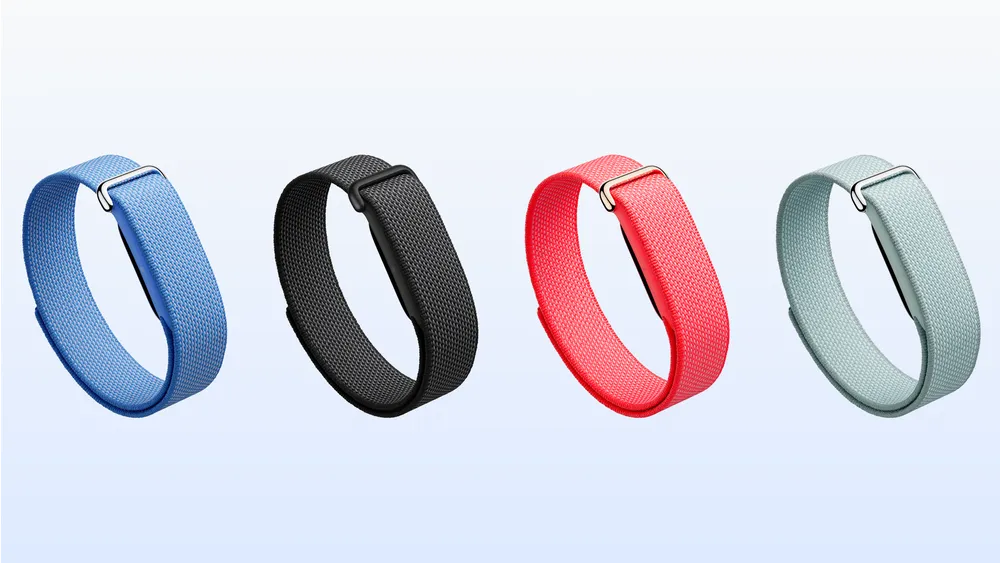
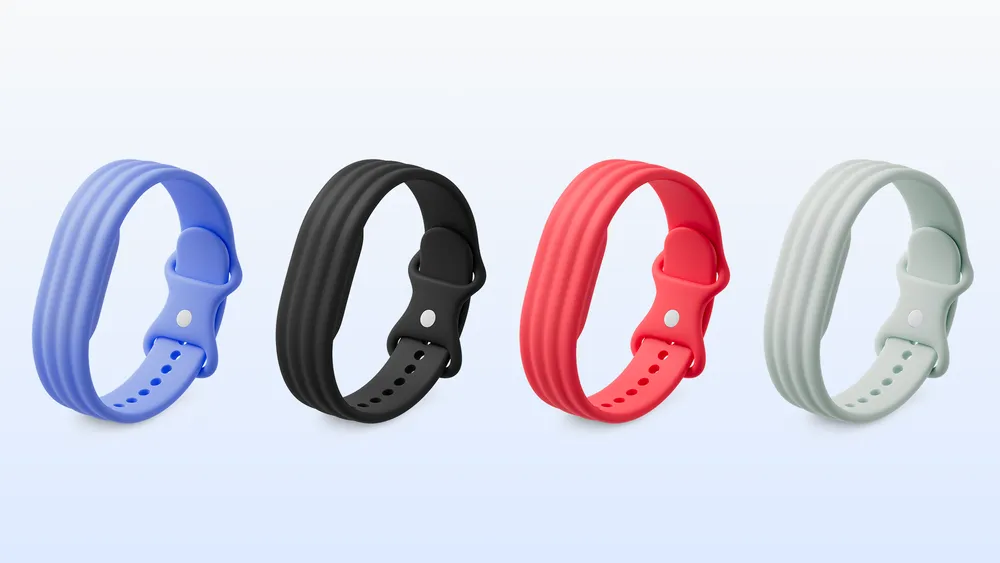
Multiple band options are available, including fitness-focused straps and premium everyday-wear alternatives. Google has additionally introduced a special edition created in collaboration with NBA star Stephen Curry.
Why the India Launch Matters
The Indian wearable market is becoming increasingly competitive, but consumer preferences are also evolving.
While low-cost smartwatches initially drove rapid growth, many users are now placing greater emphasis on health tracking, recovery monitoring, sleep analysis, and long-term wellness insights.
The timing could therefore work in Google’s favour. Interest in health-focused devices continues to grow as major manufacturers invest heavily in wellness features and preventive health monitoring.
Samsung is one example. The company recently detailed several upcoming wellness tools in Samsung Confirms 5 Major New Health Features Ahead of Galaxy Watch 9 Launch, while fresh regulatory approvals indicate the Samsung Galaxy Watch 9 and Galaxy Watch Ultra 2 Move Closer to Launch After Fresh China Certification.
Rather than competing directly with feature-packed smartwatches, Fitbit Air appears to be targeting users who simply want reliable health monitoring without distractions, notifications, or app overload.
That positioning could help Google carve out a unique space between traditional fitness bands and premium subscription-focused products such as Whoop.
Pricing and Availability
In the United States, Fitbit Air starts at $99.99, while the Stephen Curry Edition carries a price tag of $129.99.
Both versions include a limited trial of Google’s premium health services, although the core fitness and health-tracking features remain accessible without an ongoing subscription.
Google has not yet confirmed Indian pricing or launch dates.
However, the BIS certification is currently the clearest indication that the company may be preparing to expand Fitbit Air’s availability to one of the world’s fastest-growing wearable markets.
For official announcements and future availability updates, users can monitor the Fitbit website.
⚡ TechularZtrix Scan
📌 Bottom Line: Fitbit Air could introduce a fresh category of affordable screenless health trackers to India, focusing on wellness insights rather than smartwatch features.
🎯 Target Audience: Fitness enthusiasts, runners, recovery-focused users, and consumers who want health tracking without constant notifications.
🏆 Biggest Win: Lightweight design, week-long battery life, and Fitbit’s mature health-tracking ecosystem.
⚠️ Biggest Compromise: The lack of a display may not appeal to users who prefer viewing notifications and workout metrics directly on their wrist.
🌏 Market Reality Check: India currently has very few mainstream screenless fitness trackers. If Google prices Fitbit Air aggressively, it could occupy a category with limited direct competition.
🔍 What Happens Next: Attention now shifts to Google’s official India plans and whether Fitbit Air can help revive Fitbit’s presence in a market increasingly dominated by smartwatches and health-focused wearables.