Google I/O 2026 Unveils Wear OS 7: Gemini Intelligence, Wear Widgets, Live Updates and Battery Boost Arrive Later This Year
Quick Highlights
Google used its I/O 2026 keynote to push AI deeper into nearly every part of its ecosystem, and Wearables were no exception. Alongside major Gemini-focused announcements, the company previewed Wear OS 7, its next-generation smartwatch operating system that will roll out later in 2026.
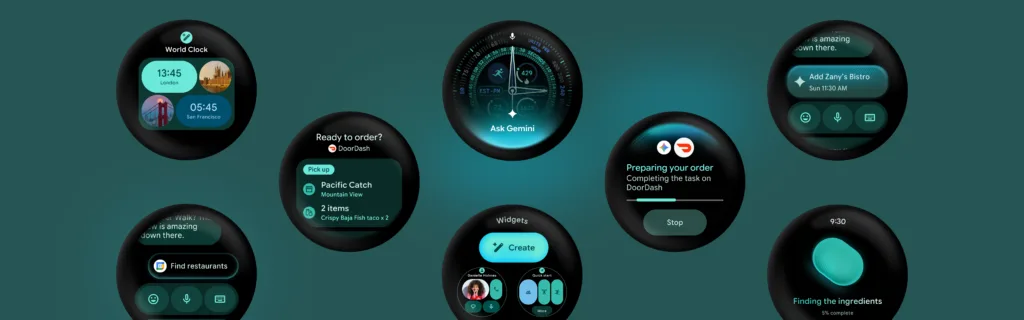
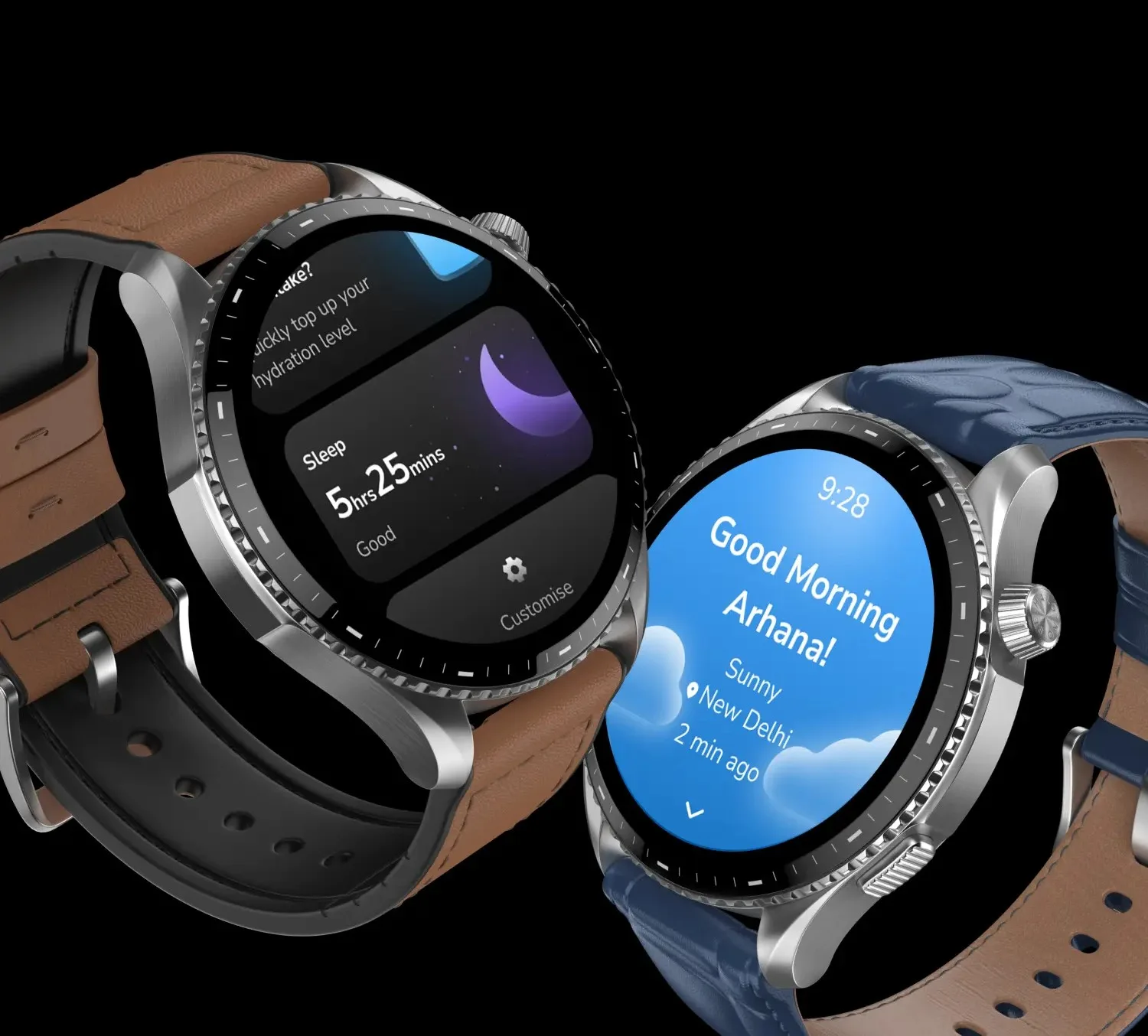
Wear OS 7 introduces design refinements inspired by Android 17, improved power efficiency, new developer capabilities, and a more modern interface system aimed at making smartwatches feel less like “mini phones” and more like true glanceable assistants. The most notable headline is Google’s plan to bring Gemini Intelligence to select smartwatches launching later this year, allowing AI-powered assistance directly from the wrist.
This push toward wrist-based AI support mirrors the broader direction of the industry, where intelligence features are becoming core selling points — similar to the ecosystem-wide improvements seen in Apple Intelligence Brings Major Accessibility Upgrades: VoiceOver, Live Recognition, AI Captions and Vision Pro Eye Control.
Wear OS 7 Release Timeline and Developer Preview
Google confirmed that Wear OS 7 will officially arrive later in 2026, but developers can already explore it through the Wear OS 7 Canary Emulator, which is based on Android 17.
The Canary release signals that Google is treating Wear OS 7 as more than a cosmetic update. It is building new system-level capabilities, new UI frameworks, and a stronger developer ecosystem that aligns smartwatch apps more closely with modern Android app design.
For official information and developer documentation, Google’s Wear OS developer blog and I/O announcements page remains the best reference.
Wear Widgets: A New UI Layer Designed for Expressiveness
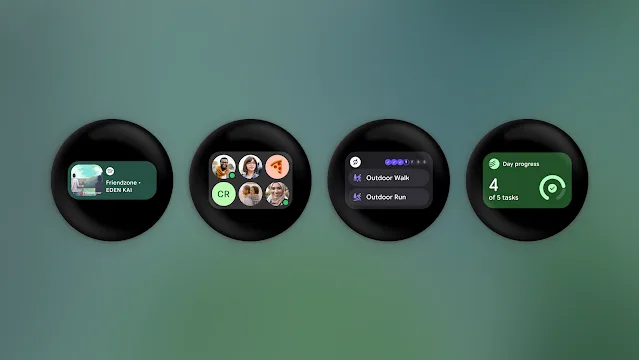
One of the most visible additions in Wear OS 7 is Wear Widgets, a new interface system that brings small and large card-style layouts directly into the smartwatch UI.
These widgets support layouts similar to smartphone widget formats, including 2×1 and 2×2-style sizing, making them easier to standardize across different watch displays. Google also emphasized that Wear Widgets are designed to be more consistent with Jetpack Compose, offering more flexibility compared to older Tiles ProtoLayout libraries.
In simple terms, Google is making smartwatch UI feel cleaner and more modern, while also making it easier for developers to build consistent layouts.
Gemini Intelligence Is Coming to the Wrist
The most important long-term shift in Wear OS 7 is Google’s plan to integrate Gemini Intelligence into select smartwatches launching later this year. While Google hasn’t confirmed exact models yet, the goal is clear: make the smartwatch a more capable assistant that can handle real tasks, not just notifications.
This direction fits perfectly with Google’s wider strategy of turning Search and Android into AI-first platforms, as highlighted in your recent coverage of Google Search Gets an AI-Heavy Overhaul With Gemini 3.5 Flash, Intelligent Search Box, and Agentic AI at Google I/O 2026.
Wear OS 7 will also include developer APIs designed to integrate apps into Gemini workflows, opening the door for voice-driven automation and task completion directly from the watch.
Live Updates Brings Real-Time Tracking to Smartwatches
Wear OS 7 introduces Live Updates, a feature designed to display real-time information directly on the smartwatch screen. Similar to Live Updates on Android smartphones, it will allow users to track active events like:
- Rides and navigation progress
- Sports scores
- Delivery status and order tracking
This is a major usability upgrade because it turns the watch into a true glanceable information hub, reducing the need to constantly open apps or check a phone.
Battery Improvements: Google Promises Up to 10% More Efficiency
Google also claims Wear OS 7 will deliver power optimisations, with users upgrading from Wear OS 6 expected to see up to a 10% improvement in battery life.
While the exact performance will depend on hardware, this suggests Google is focusing on efficiency as much as new AI features — an important move, because AI-driven processing often increases power demand if not optimized properly.
Developer APIs Bring AI Task Completion and Voice Workflows
Wear OS 7 adds developer APIs that allow apps to integrate deeper into Gemini-powered assistance. One key mention is the AppFunctions API, designed to let users complete tasks using voice commands rather than manual navigation through menus.
This is significant because it shifts Wear OS away from “tap-heavy” smartwatch interaction and closer to a natural voice-first assistant model, where tasks can be executed through conversational commands.
Google also said Wear OS 7 will allow users to invoke and track automated app tasks for selected phone apps directly from the watch, suggesting a stronger link between smartwatch actions and smartphone automation.
Wear Workout Tracker Adds Standardised Fitness Tracking Tools
Google is also introducing a Wear Workout Tracker feature aimed at fitness apps. The goal is to provide a standardized workout tracking system across Wear OS, including core features like:
Heart rate monitoring, workout tracking, and integrated media controls.
This is expected to roll out later this year and should help make fitness experiences more consistent across third-party apps, which has historically been a weak point in Android smartwatch ecosystems.
System Media Controls Get More Personalisation
Wear OS 7 also improves System Media Controls, giving users more control over how media behaves across different apps.
Google says the update will introduce app-level customization for media auto-launch settings, and it will also add a Remote Output Switcher, allowing users to manage connected audio devices directly from their watch.
This makes Wear OS feel more like a complete device ecosystem rather than just a remote screen for phone playback.
Which Watches Will Get Wear OS 7 First?
Google has not confirmed the first devices that will receive Wear OS 7, but it is widely expected that upcoming Pixel Watches and Samsung’s next-generation Galaxy Watch lineup will be among the first to ship with the new OS.
Since Wear OS updates depend heavily on manufacturer rollouts, the exact timeline may vary by brand and region.
TechularZtrix Take
Wear OS 7 looks like a smart and strategic update rather than a flashy redesign. The introduction of Wear Widgets, Live Updates, and stronger developer APIs makes the platform more modern and functional, while the claimed 10% battery improvement suggests Google is addressing one of the most important long-term smartwatch concerns.
The real story, however, is Gemini. If Google successfully brings Gemini Intelligence to Wear OS in a meaningful way, it could be the first time Android smartwatches feel like true AI assistants rather than notification mirrors.
The next key question is rollout. Wear OS features often look strong on paper, but their impact depends entirely on how quickly major smartwatch brands adopt and ship them.