Google Wants Gemini in Every Smart Home Device — AI Cameras, Speakers, and Automation Are Next
Quick Highlights

Google is rapidly expanding Gemini beyond smartphones and productivity apps, and the company is now pushing aggressively into the smart home market with a much larger AI vision.
The company has officially expanded its Gemini for Home initiative, giving hardware partners access to ready-made AI reference designs that can dramatically speed up the creation of smart speakers, security cameras, and connected home devices powered by Gemini.
Instead of requiring manufacturers to spend years developing AI-enabled smart home systems from scratch, Google now wants companies to directly plug into the Gemini ecosystem using pre-validated hardware and software stacks.
This marks another major step in Google’s growing effort to make Gemini the center of Android, wearables, productivity apps, and home automation.
That broader AI expansion became increasingly obvious after Google’s Powerful Gemini AI Voice Features Could Completely Change How People Communicate highlighted how deeply Gemini is being integrated into messaging, productivity, and everyday interactions.
Google Is Expanding Gemini Across Smart Homes
Google says Gemini for Home is now a “full-stack AI” platform that combines Google Home APIs with Gemini’s growing AI capabilities.
The company is giving hardware manufacturers access to scalable reference designs that already include chipsets, microphones, sensors, and AI-ready hardware layouts. These pre-built foundations are designed to help companies skip years of research and development and launch Gemini-enabled smart home products much faster.
Google specifically wants partners to build products such as AI-powered speakers, connected home hubs, security cameras, and automation devices that integrate directly with the Gemini ecosystem.
The move could significantly expand Gemini’s presence inside homes over the next few years as more brands adopt Google’s AI platform.
Google’s increasing push toward AI-first hardware is also visible across Android itself, especially after Gemini Intelligence Hardware Requirements Revealed — here’s which Samsung, Google, and other Android phones can run Create My Widget, Rambler, and more showed how future AI features may require flagship-grade hardware and advanced on-device AI processing.
Google Home Premium Pushes AI Automation Further
Google is also encouraging carriers, ISPs, and security companies to integrate its Google Home Premium subscription service directly into their smart home products.
The subscription includes AI-focused features such as Home Brief summaries, advanced home monitoring, simulated presence automation, and smart activity reports.
Home Brief can summarize home activity while users are away, while advanced deterrent systems can simulate human presence inside empty homes using connected automations and smart devices.
Google Home Premium was previously known as Nest Aware and currently starts at $10 per month for the standard plan.
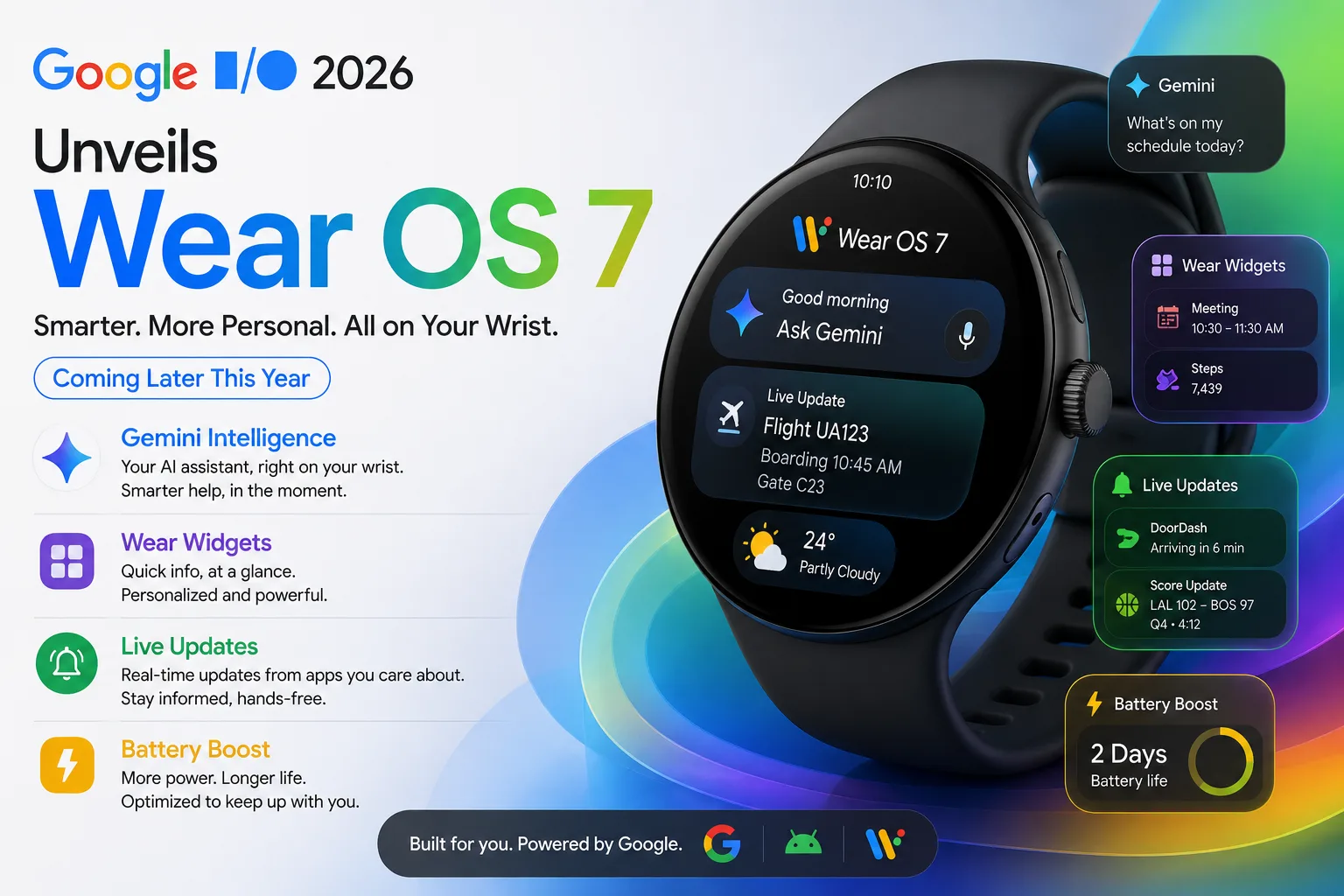
The growing role of AI-powered subscriptions and connected ecosystems is becoming increasingly common across the tech industry, especially after Google I/O 2026: Wear OS 7 Announced With Gemini Intelligence, Wear Widgets, Live Updates, More showcased how aggressively Google is expanding Gemini across devices.
Gemini Continues Replacing Google Assistant
Google has spent the past year aggressively replacing traditional Google Assistant experiences with Gemini across multiple products and services.
The redesigned Google Home app already prioritizes Gemini interactions through its “Ask Home” feature, while users attempting to use classic Assistant functions are increasingly being redirected toward Gemini-powered experiences instead.
This transition signals Google’s larger strategy of making Gemini the default AI layer across Android, smart homes, wearables, productivity tools, and search experiences.
TechularZtrix Take
Google clearly does not want Gemini limited to phones anymore.
The company’s strategy now appears far bigger: Gemini across Android, wearables, productivity apps, search, and eventually nearly every connected device inside the home.
By giving manufacturers ready-made AI hardware platforms, Google could dramatically accelerate the arrival of Gemini-powered smart home devices without forcing every company to build AI systems independently.
The bigger question is whether users actually want AI deeply integrated into every part of their home experience — especially as subscriptions, cloud processing, and privacy concerns continue becoming larger parts of modern smart home ecosystems.
For more details, check Google’s official Gemini for Home announcement page.