Intel Arc G-Series Chips Announced for Next-Gen Gaming Handhelds With Ray Tracing and XeSS 3
Quick Highlights
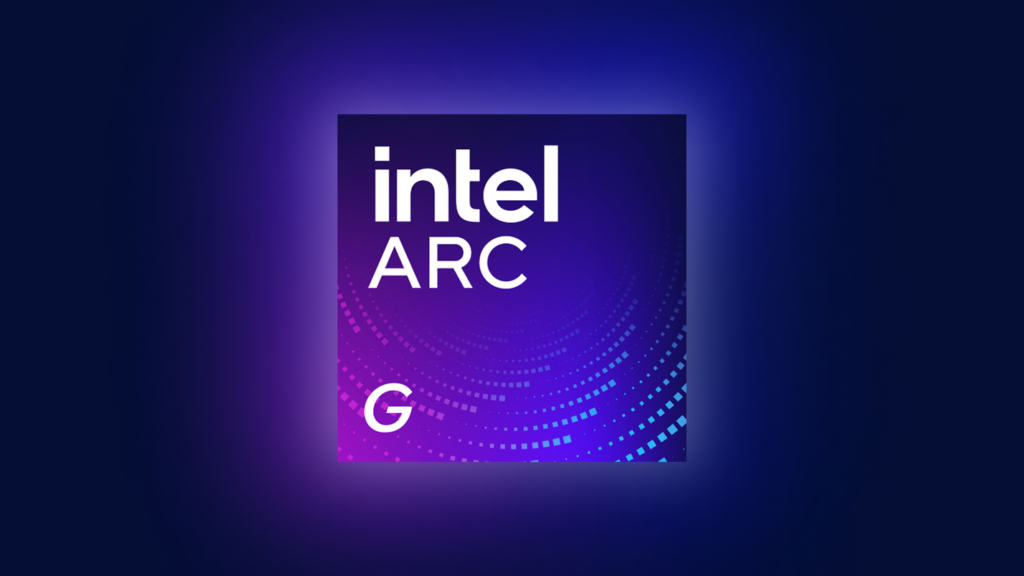
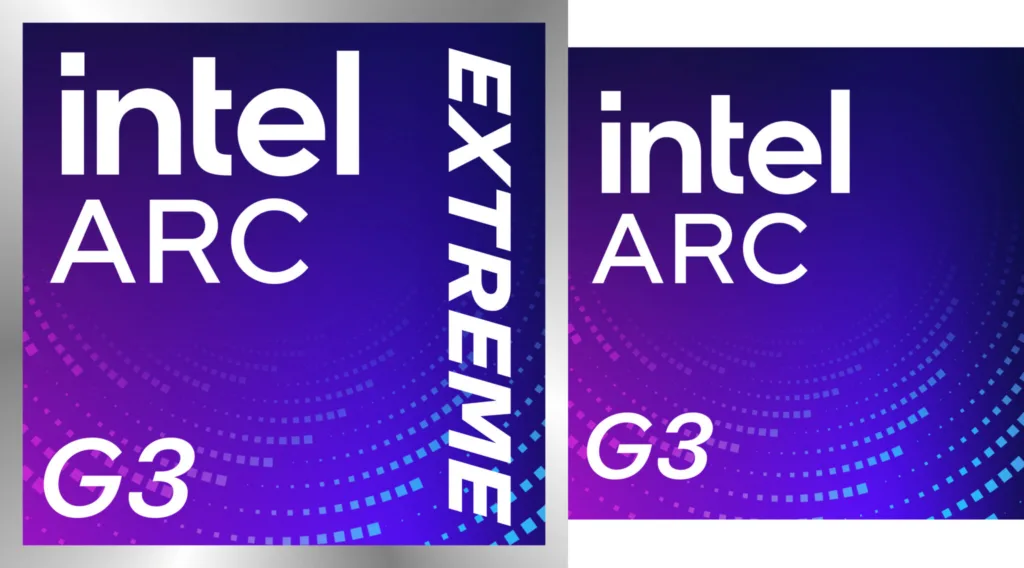
The handheld gaming market is heating up again, and Intel is clearly not stepping away from the segment anytime soon. During Computex 2026, the company officially unveiled its new Arc G-Series chips, a fresh lineup aimed at powering the next wave of Windows gaming handhelds.
Instead of building an entirely new architecture from scratch, Intel is leveraging its existing Core Ultra 3 platform and tailoring it specifically for compact gaming devices. The result is a new family of processors that promises better gaming efficiency, improved graphics performance, AI-powered upscaling, and stronger handheld-focused optimisations.
The announcement also confirms that major brands are already onboard, including Acer, MSI, and OneXPlayer.
Intel Wants to Push Handheld Gaming Further
Intel’s new Arc G-Series processors are designed specifically for portable gaming systems like the upcoming Acer Predator Atlas 8 and MSI Claw 8 EX AI+.
These chips will feature integrated Intel Arc graphics based on the company’s newer Battlemage architecture, with configurations scaling up to the Arc B390 GPU tier. That means handheld devices powered by these chips will support features that were previously limited to larger gaming laptops and desktops.
Users can expect:
- Hardware-accelerated ray tracing
- Intel XeSS 3 AI upscaling
- Improved frame generation
- Better power efficiency for portable gaming
For gamers, this could translate into smoother gameplay at higher settings without draining battery life as aggressively as previous handheld hardware.
Intel says the Arc G-Series chips will include two performance cores, eight efficiency cores, and four low-power efficiency cores. The processors are also being built using Intel’s newer 18A manufacturing process, which should help improve thermals and battery efficiency in compact devices.
Handheld Gaming PCs Are Becoming More Console-Like
One of the biggest complaints about Windows gaming handhelds has always been the software experience. Traditional Windows navigation often feels clunky on smaller touch displays compared to dedicated gaming consoles.
Intel is now working closely with Microsoft to optimise these handhelds for Windows 11’s full-screen Xbox mode. This interface is designed to feel more console-friendly and reduce the need to constantly interact with the desktop UI.
The company is also introducing Intel Precompiled Shaders, a cloud-based system that downloads optimised shaders for supported games instead of compiling them locally on the handheld.
According to Intel, supported titles currently include:
- Black Myth: Wukong
- Call of Duty: Black Ops 6
- Call of Duty: Black Ops 7
- The Outer Worlds 2
This should help reduce loading stutter and improve first-launch performance on handheld systems.
Connectivity and Features Get a Modern Upgrade
Intel is also bringing updated connectivity standards to the Arc G-Series platform. Upcoming handhelds using these chips are expected to support:
- Wi-Fi 7 R2
- Thunderbolt 4
- Dual Bluetooth 6 connectivity
That combination should allow faster downloads, lower-latency wireless accessories, and improved docking support for external displays or GPUs.
The move positions Intel more aggressively against AMD-powered handhelds that currently dominate much of the market, especially devices inspired by the popularity of the Steam Deck.
Interestingly, Intel’s announcement arrives shortly after Valve increased Steam Deck pricing in some regions, potentially creating more room for competitors to push premium handheld alternatives.
Why Intel’s Handheld Push Matters
The handheld gaming PC market has evolved far beyond niche enthusiast devices. Portable systems are now being positioned as full gaming machines capable of running AAA titles with advanced graphics features.
Intel’s Arc G-Series launch signals that the company sees long-term potential in this category rather than treating it as an experimental segment.
If the new chips can deliver strong battery efficiency alongside modern graphics performance, they could help manufacturers build thinner, cooler, and more powerful handheld gaming devices over the next year.
For consumers, that likely means more competition, better hardware choices, and potentially lower pricing pressure across the handheld gaming space.
You can also check our recent coverage on Qualcomm announces the Snapdragon C for entry-level Windows laptops and ASUS ROG Zephyrus Duo review: dual OLED madness meets flagship gaming power for more Computex 2026 hardware launches and next-generation portable computing devices.
TechularZtrix Take
Intel’s Arc G-Series announcement feels like a serious attempt to establish itself in the rapidly growing handheld gaming market. Instead of simply scaling down laptop hardware, Intel appears to be building a more tailored platform with gaming-focused optimisations, AI features, and modern connectivity standards.
The real test, however, will come down to efficiency and thermals. Handheld gamers care just as much about battery life and heat management as raw frame rates. If Intel manages to balance those areas well, the Arc G-Series could become a strong alternative to AMD-powered gaming handhelds over the next generation.
For official details about Intel’s graphics technologies and gaming platform updates, visit Intel Official Website.