Android 17 Officially Rolls Out With Powerful New Multitasking, Privacy and Gaming Features
Quick Highlights

After months of previews, developer betas and feature showcases, Android 17 is finally available in stable form. Google has started rolling out the update to eligible Pixel devices first, with broader availability expected across Samsung, OnePlus, Xiaomi, vivo, OPPO, realme and other Android brands throughout the rest of 2026.
Unlike some Android releases that focus heavily on under-the-hood improvements, Android 17 introduces several user-facing features that people will actually notice from day one. From smarter multitasking and creator-focused tools to stronger privacy protections and foldable gaming enhancements, this update feels more focused on everyday usability than flashy redesigns.
The biggest caveat is that some of Google’s heavily promoted AI-powered experiences, including Gemini Intelligence features showcased during The Android Show, are not arriving immediately. Those additions are scheduled to begin rolling out later this summer on supported devices.
Android 17 Makes Multitasking Much More Flexible
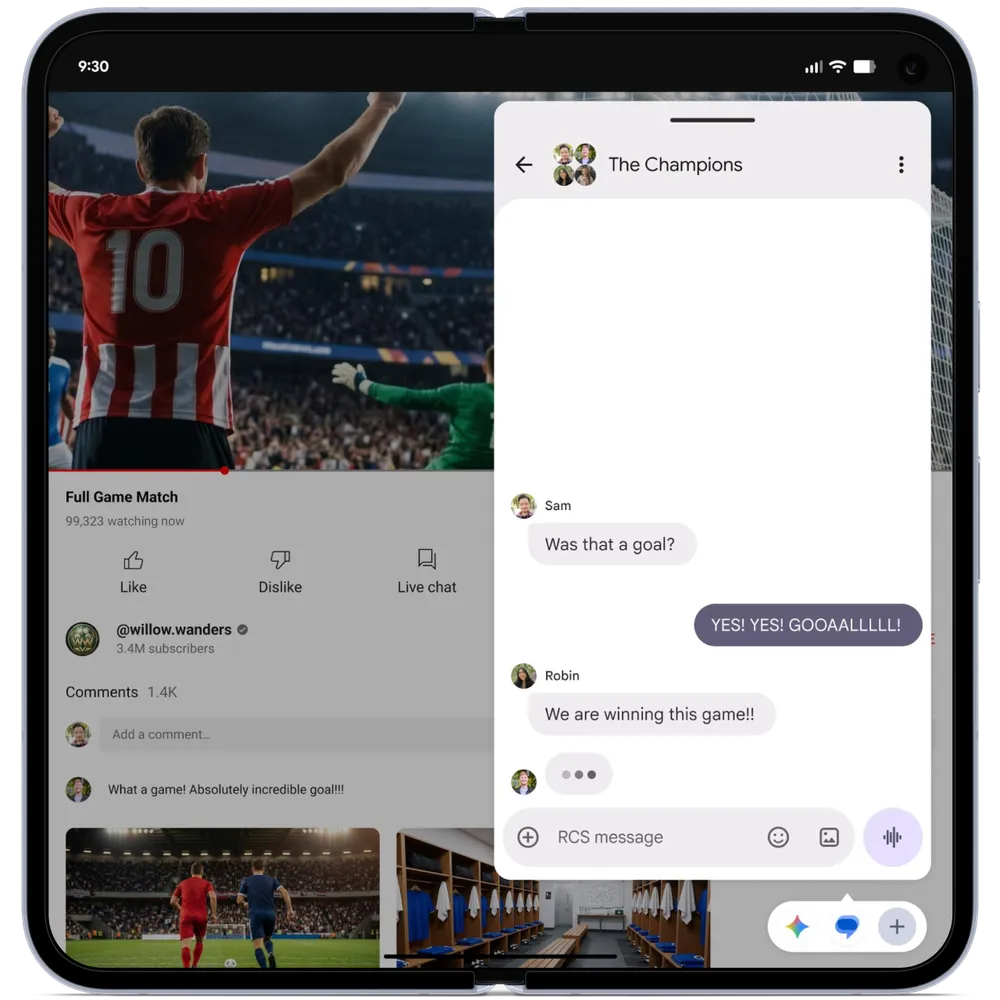
One of the most noticeable additions in Android 17 is a new feature called Bubbles.
Google is essentially allowing users to transform almost any app into a floating window that remains accessible while using other applications. Similar concepts have existed before, but Android 17 expands the functionality significantly.
Users can long-press an app icon and instantly convert it into a floating bubble that sits above other apps. On foldables and tablets, these bubbles are stored inside a dedicated bubble bar for easier switching between tasks.
The feature feels particularly useful for users who constantly jump between maps, notes, messaging apps, browsers and productivity tools throughout the day.
Screen Reactions Targets Creators and Power Users
Google is also putting more focus on content creation.
Android 17 introduces Screen Reactions, a new recording tool that captures both the phone screen and the user’s selfie camera simultaneously.
The feature allows users to record reactions, tutorials, walkthroughs and demonstrations without relying on third-party editing tools or complicated setups.
With reaction-based content continuing to dominate platforms such as YouTube Shorts, Instagram Reels and TikTok, Screen Reactions could become one of Android 17’s most frequently used additions.
Privacy Gets Meaningful Improvements
While many Android updates quietly add security features in the background, Android 17 introduces several privacy upgrades that users will immediately understand.
Apps can now receive access to only selected contacts rather than an entire address book. That means users no longer need to hand over hundreds of personal contacts just because an app needs access to one or two people.
Google has also added temporary precise location permissions, giving users more control over how long apps can track their whereabouts.
The company is simultaneously strengthening its existing security systems with upgrades to Live Threat Detection, helping Android block more suspicious applications, scams and potentially harmful activity before it reaches users.
Users who enable Advanced Protection will also receive stronger safeguards against sophisticated attacks.
Foldable Phones Get Special Treatment
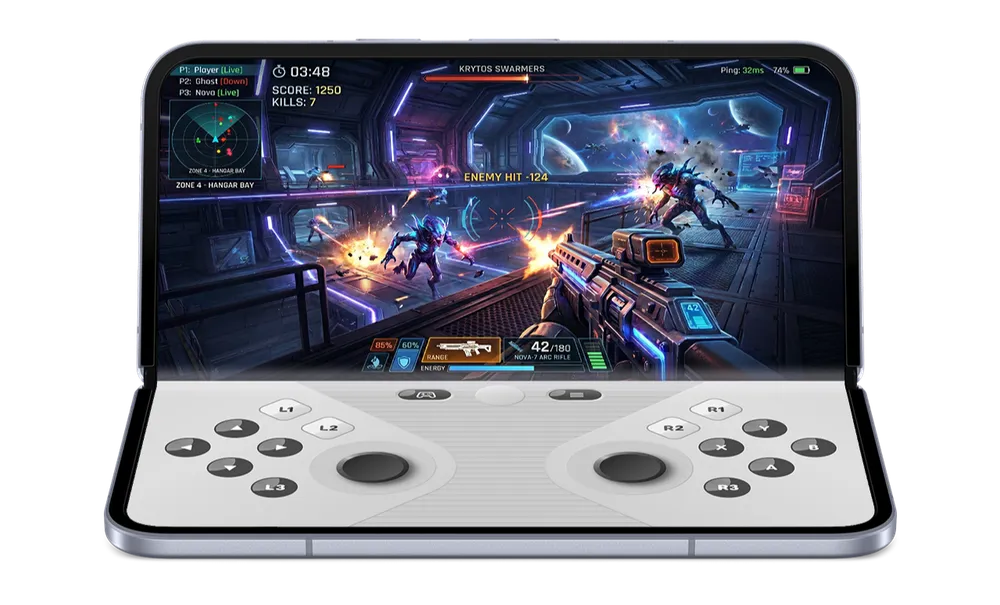
Foldable smartphones continue to represent a growing part of Google’s Android strategy, and Android 17 includes a feature specifically designed for them.
Google is introducing a dedicated Foldable Gaming Mode, which creates a 50/50 split-screen layout that resembles a Nintendo DS.
The top half of the display shows gameplay while the bottom half becomes a dedicated virtual controller.
The approach eliminates on-screen buttons covering game visuals and creates a more immersive experience for foldable users.
Although Foldable Gaming Mode is built into Android 17, Google says availability will begin rolling out in the coming months rather than immediately.
Continue On Brings Better Device Continuity
Android users have long watched Apple’s ecosystem benefit from features such as Handoff, allowing work to move seamlessly between devices.
Google is now taking a similar approach with Continue On.
The feature allows users to start tasks on one Android device and continue them on another. For example, a document started on a phone can be picked up later on a tablet without restarting the workflow.
Support will depend on developers implementing the feature, but it signals Google’s growing interest in creating a more connected Android ecosystem.
This broader ecosystem push complements Google’s recent Google AI Mode Starts Rolling Out Powerful Search Agents That Track Information for You, where AI is increasingly being positioned as a productivity layer across devices and services.
Small Changes Could Have a Big Impact
Not every Android 17 addition is headline-grabbing.
Users can now hide app labels from the home screen, creating a cleaner visual appearance for those who prefer minimalist layouts.
Parental Controls are also expanding beyond Pixel devices, bringing Google’s family management tools to a much larger Android audience as manufacturers adopt Android 17.
Google has additionally improved memory management, helping reduce frame drops during gaming sessions while preventing apps from consuming excessive RAM in the background.
The result should be smoother performance and potentially better battery life across supported devices.
What Pixel Users Get Today — And What Comes Later
Android 17 is available now for supported Pixel devices beginning with the Pixel 6 series.
However, several features remain on Google’s roadmap.
Gemini Intelligence experiences, enhanced AI capabilities and some advanced foldable gaming functions are expected to arrive later this summer.
That staggered rollout means Android 17 will continue evolving even after today’s release.
For official feature documentation and rollout information, users can visit Android Developers Official Website.
⚡ TechularZtrix Scan
📌 Bottom Line: Android 17 isn’t a dramatic visual overhaul, but it delivers some of the most practical improvements Android users have received in years.
🔍 Why It Matters: Features like Bubbles, Screen Reactions, selective contact sharing and improved multitasking solve real-world problems instead of simply adding new menus and settings.
📱 India Reality Check: Most Android users won’t receive Android 17 immediately. Pixel owners get first access, while Samsung, OnePlus, Xiaomi, vivo, OPPO and realme users will likely see manufacturer-specific rollouts over the coming months.
📅 What Happens Next: The current release is only the beginning. Google’s biggest AI-powered Android features, including Gemini Intelligence integrations, are still scheduled to arrive later this summer.