BYD’s 5-Minute EV Charging Demo Could Be the Breakthrough That Finally Ends Range Anxiety
Quick Highlights
For years, electric vehicle manufacturers have competed by offering larger batteries and longer driving ranges. BYD believes the next phase of EV adoption will be won differently — by making charging so fast that range becomes less of a concern altogether.
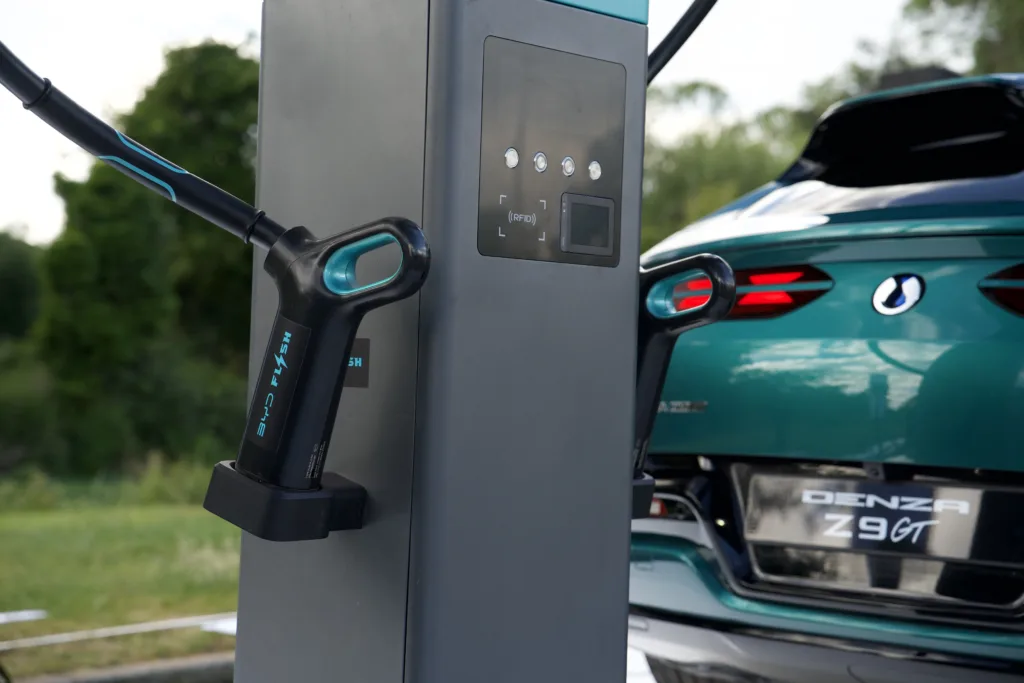
At a recent demonstration held at the company’s UK headquarters, BYD showcased its next-generation Flash Charging technology by charging a Denza Z9 GT from 10 percent to nearly full in less than 10 minutes. The event was attended by journalists and industry observers and offered one of the clearest examples yet of how rapidly EV charging technology is evolving.
If BYD can successfully roll out the infrastructure required to support these speeds, it could fundamentally change how consumers think about electric vehicles.
The Numbers Are Impressive
The headline figure is straightforward: approximately 200 miles of driving range added in around five minutes.
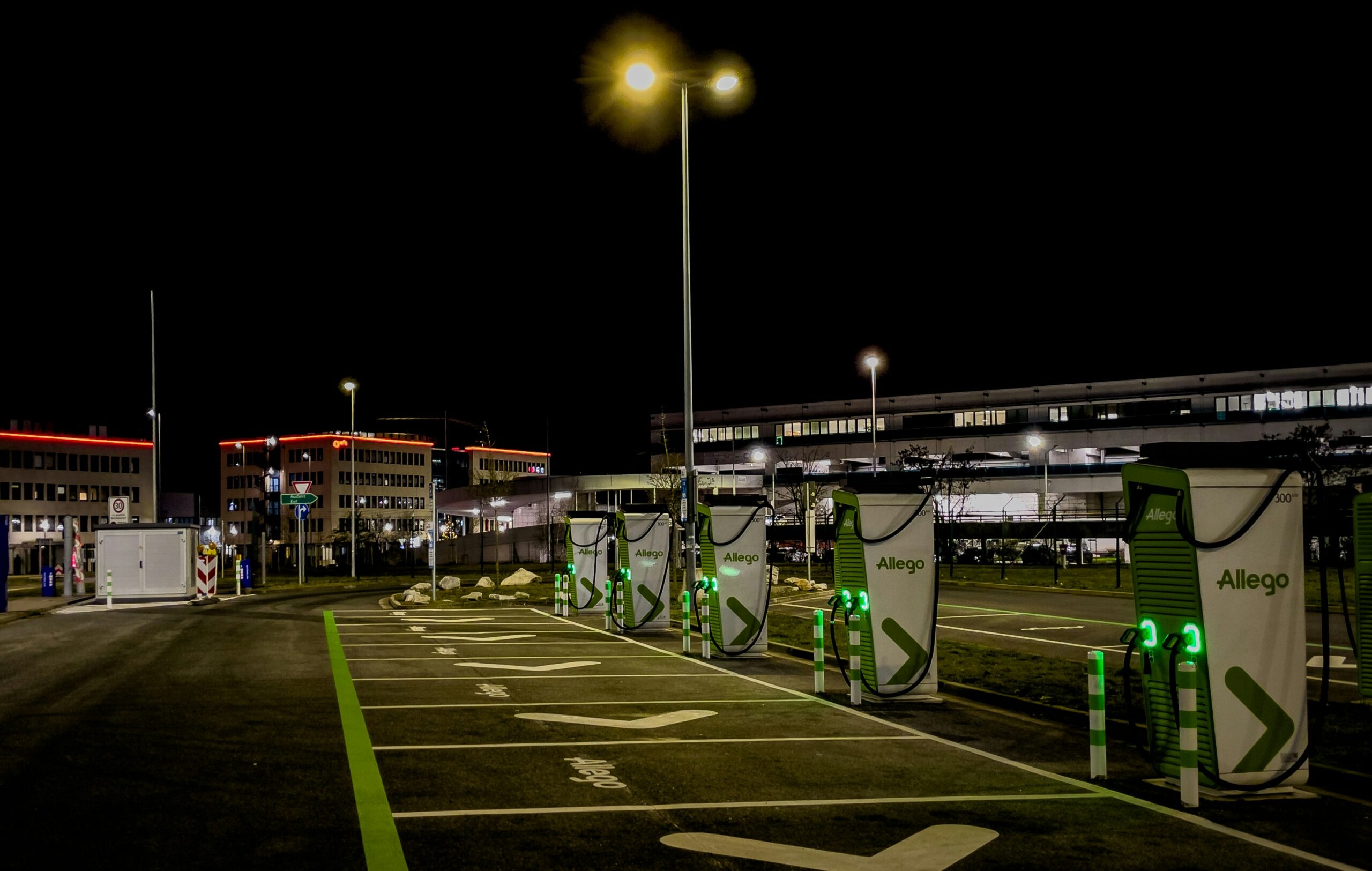
That performance comes from BYD’s new Flash Charging system, capable of delivering up to 1.5 megawatts (1,500kW) of charging power. By comparison, most public ultra-rapid charging stations currently operating across Europe typically peak between 250kW and 400kW.
The result is charging performance that begins to approach the convenience of refueling a traditional petrol vehicle.
According to BYD executives present at the demonstration, even colder weather conditions would only add a few additional minutes to the charging process, potentially allowing a near-full charge in around 12 minutes.
Why Fast Charging Could Matter More Than Bigger Batteries
Much of the EV industry’s attention has focused on increasing battery capacity and extending driving range. While those improvements remain important, charging convenience continues to be one of the biggest barriers preventing mainstream EV adoption.
Ultra-fast charging changes the ownership experience.
Rather than asking drivers to plan around lengthy charging sessions, technologies like Flash Charging aim to make recharging feel almost as routine as a fuel stop.
That shift could prove just as important as battery innovation itself.
BYD Wants to Build the Ecosystem Too
The charging demonstration was only part of the announcement.
BYD says it plans to deploy approximately 3,000 Flash Charging locations across Europe by the end of 2027, including around 300 sites in the United Kingdom.
Rather than relying entirely on third-party charging providers, BYD appears determined to build portions of the ecosystem needed to support future electric vehicle adoption.
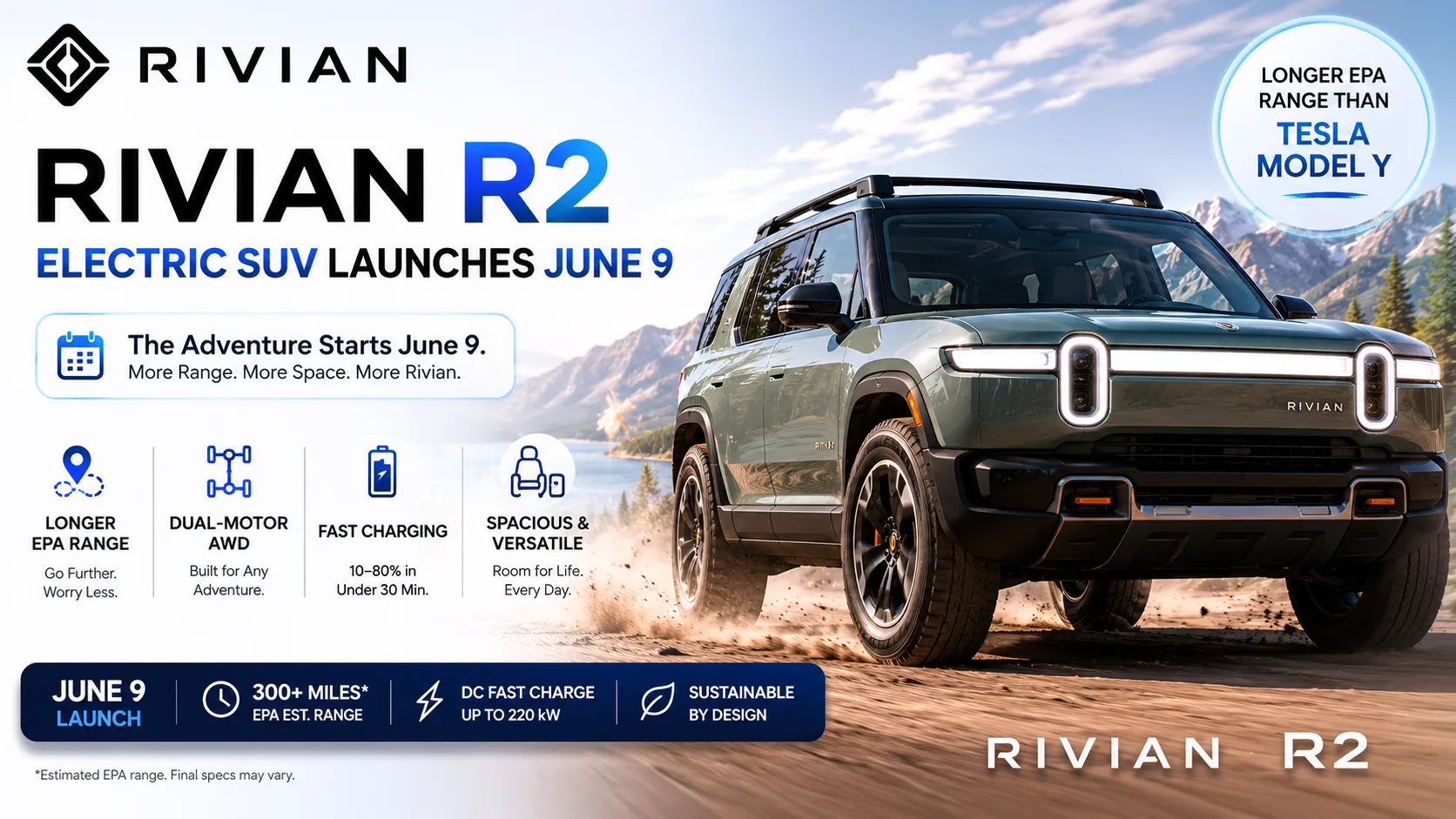
The strategy highlights how automakers are increasingly focusing on ownership experience rather than just vehicle specifications. Companies across the industry are investing heavily in battery technology, software, charging infrastructure, and range improvements, as demonstrated by Rivian R2 Electric SUV Launches June 9 With Longer EPA Range Than Tesla Model Y.
The company says its Flash Charging stations will use the standard CCS2 connector, allowing other EVs to charge as well, although only vehicles designed for ultra-high-speed charging will be able to fully exploit the system’s capabilities.
Battery Storage Could Solve a Major Infrastructure Problem
One of the biggest challenges facing ultra-fast charging is power delivery.
Supplying megawatt-level charging speeds directly from the local grid can require significant infrastructure upgrades and lengthy approval processes.
BYD’s solution includes large on-site battery storage systems capable of storing energy during off-peak hours and delivering it rapidly when vehicles connect.
This approach reduces strain on local electricity networks while potentially lowering operating costs.
The company also believes these energy storage systems could help reduce charging prices for consumers, particularly if batteries are replenished overnight when electricity demand and wholesale energy prices are lower.
Denza Will Be First in Line
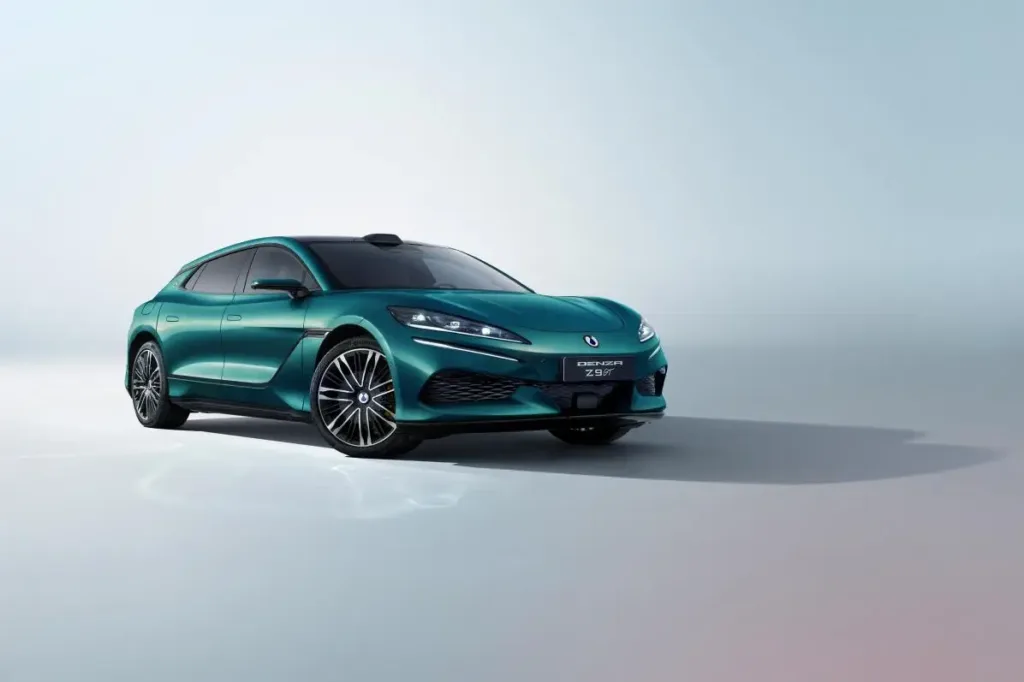
The first major beneficiary of Flash Charging outside China will likely be the Denza Z9 GT, a premium electric grand tourer positioned against rivals such as the Porsche Taycan and Audi e-tron GT.
The move comes as competition in the EV space continues to intensify, with manufacturers pushing both performance and efficiency, similar to what we recently saw in Mercedes-AMG Unveils 1,153hp Electric GT 4-Door Coupe: A Brutal New Rival to the Porsche Taycan Turbo S.
Denza represents BYD’s attempt to move further upmarket in Europe, combining premium design, advanced technology, and ultra-fast charging capabilities.
BYD has also confirmed that future vehicles using its next-generation Blade Battery architecture will support Flash Charging technology, suggesting the company intends to expand compatibility across its lineup.
Technology Is Becoming the New Battleground
The automotive industry is no longer competing solely on horsepower, acceleration, or driving range.
Technology partnerships, software ecosystems, charging infrastructure, and AI-powered services are becoming increasingly important parts of the ownership experience.
While BYD is investing heavily in charging networks, other manufacturers are focusing on connected experiences and digital engagement, similar to the approach highlighted in Ferrari and IBM’s Powerful AI Partnership Is Turning Formula 1 Fans Into Superfans.
The race to define the next generation of mobility is now extending far beyond the vehicles themselves.
Why This Matters
Electric vehicles have already proven they can deliver long driving ranges and impressive performance.
The next challenge is convenience.
BYD’s Flash Charging technology suggests that future EVs may no longer require lengthy charging stops, potentially eliminating one of the final psychological barriers preventing wider adoption.
Whether the company can successfully deploy thousands of charging locations across Europe remains to be seen, but the demonstration itself showed that ultra-fast charging is moving from concept to reality.
For more information about BYD’s electric vehicle technologies and charging initiatives, users can visit the official BYD website.
⚡ TechularZtrix Scan
📌 Bottom Line: BYD’s Flash Charging technology could become one of the most important EV infrastructure developments outside China if its European rollout succeeds.
🎯 Target Audience: EV buyers, automotive enthusiasts, fleet operators, charging infrastructure investors, and technology observers.
🏆 Biggest Win: Roughly 200 miles of range can reportedly be added in around five minutes.
⚠️ Biggest Compromise: Compatible vehicles remain limited, and large-scale infrastructure deployment will take time.
📈 Why It Matters: Charging speed may soon become a bigger selling point than battery size as automakers compete for mainstream EV buyers.
🔍 What Happens Next: BYD plans to expand Flash Charging infrastructure across Europe while launching Denza vehicles and additional Blade Battery-powered models that support the technology.