7 Powerful Display Upgrades That Actually Boost Laptop Productivity (Laptop Screens vs External Monitors)

Laptop displays and external monitors play a far greater role in productivity than processor speed or storage for most users. In 2026, professionals spend more time reading, writing, coding, designing, and reviewing information than performing raw compute-heavy tasks. The quality, size, and accuracy of what you see directly affects efficiency, focus, and long-term comfort.
Despite this, display decisions are still driven by marketing terms like 4K, high refresh rate, or HDR—often without understanding how these features translate into real-world productivity. This article explains which display characteristics actually improve daily work, when an external monitor makes sense, and how to build a screen setup that remains effective for years.
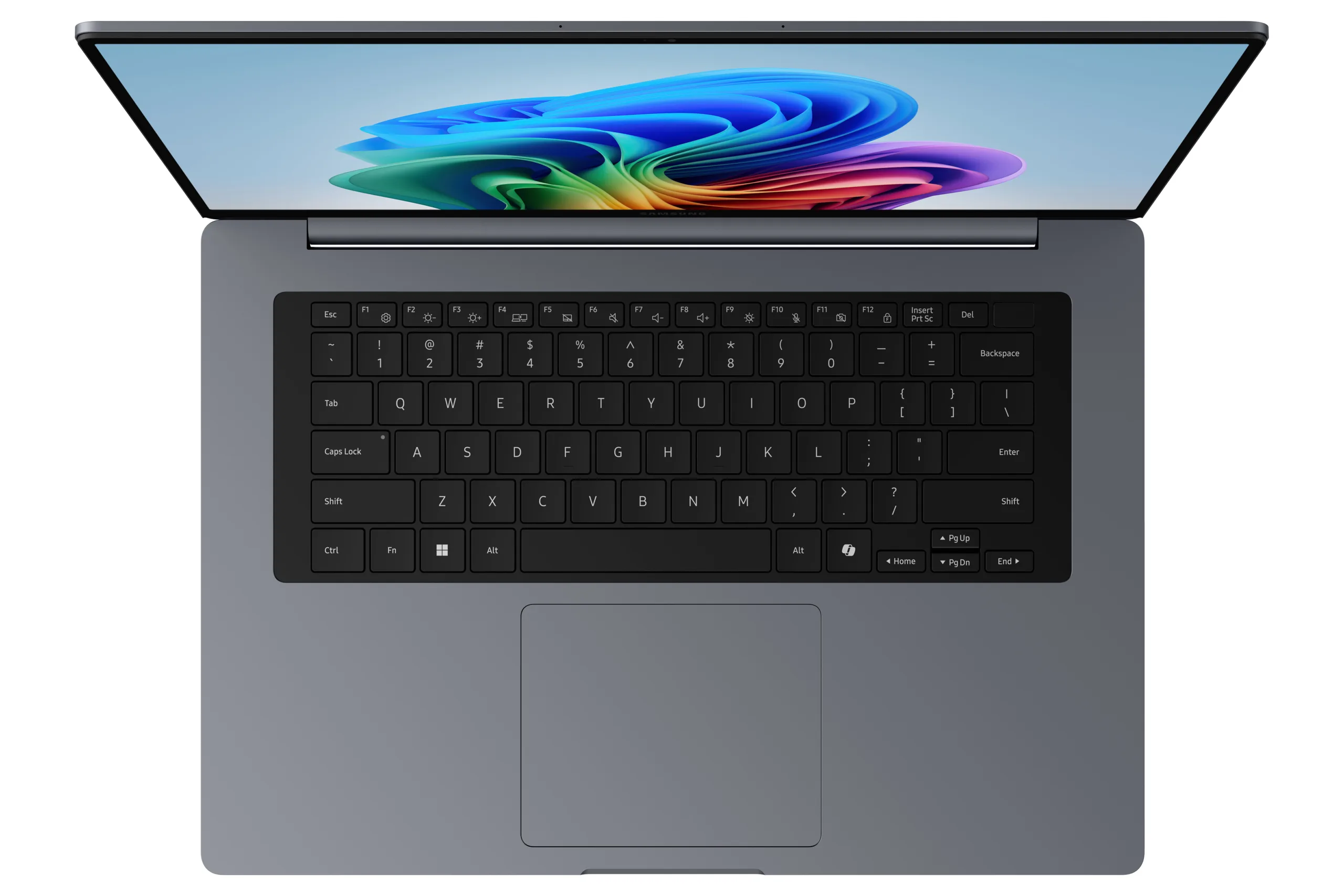
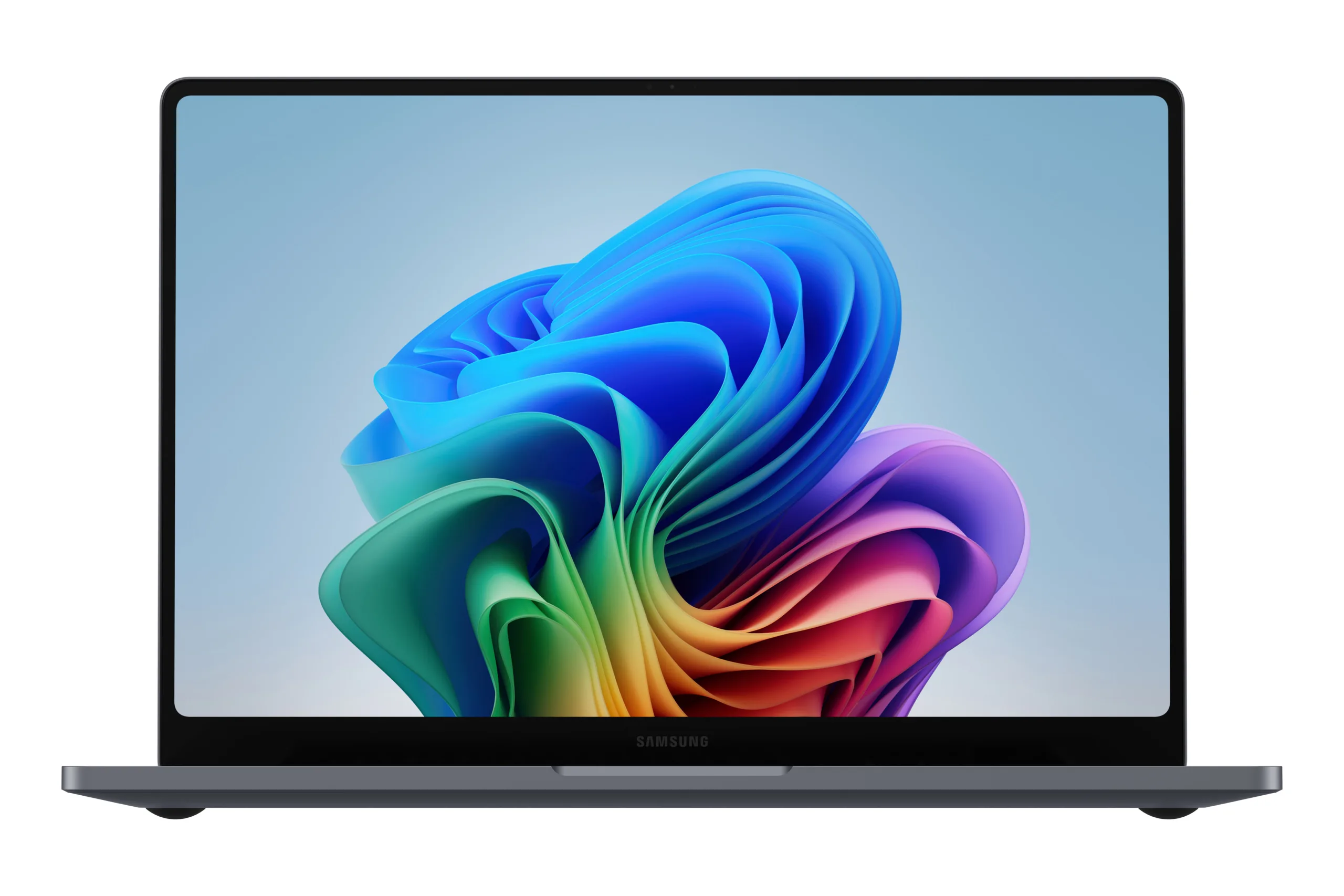
Laptop displays and external monitors
Why Display Quality Directly Affects Productivity?
A display is the primary interface between the user and the system. Poor clarity, inaccurate colors, or limited screen space increase cognitive load and visual fatigue, which directly reduce productivity over time.
Productivity losses typically result from:
- Excessive scrolling caused by limited workspace
- Eye strain due to poor brightness control or contrast
- Inaccurate color reproduction affecting creative or analytical work
- Inefficient multitasking from cramped screen layouts
In practical terms, display quality determines how long you can work comfortably and how efficiently you can process information.
Laptop Display Size and Resolution: Finding the Real Sweet Spot
Higher resolution does not automatically translate into better productivity. What matters is pixel density relative to screen size, not raw pixel count.
In real-world usage:
- 13–14 inch laptops benefit most from Full HD or QHD
- 15–16 inch laptops show practical gains with QHD
- 4K resolution on small laptop screens often introduces scaling issues without meaningful benefits
Text clarity, UI spacing, and comfortable zoom levels matter more than extreme resolution. Excessively high resolutions can also reduce battery life without improving usability.
Panel Technology Matters More Than Resolution
The underlying display panel technology has a greater impact on productivity than resolution alone.
- IPS panels deliver stable viewing angles and accurate colors, making them ideal for productivity
- OLED displays offer deep contrast and rich colors but can increase eye fatigue during long reading sessions
- TN panels, though uncommon today, still compromise color accuracy and viewing consistency
For most professionals, a high-quality IPS display provides the best balance of comfort, clarity, and consistency.
Color Accuracy: Critical for Some, Irrelevant for Others
Color accuracy is essential for designers, photographers, and video editors—but largely irrelevant for general productivity tasks like writing, research, or coding.
Creative professionals rely on accurate color spaces such as sRGB, DCI-P3, or AdobeRGB to ensure consistency across platforms. Oversaturated displays marketed as “vivid” can distort colors and reduce accuracy rather than improve it.
A clear explanation of how color spaces affect display accuracy is available in this authoritative reference:
👉 https://en.wikipedia.org/wiki/Color_space
For most users, accurate sRGB coverage is far more valuable than extreme color gamuts without proper calibration.
Refresh Rate: Productivity Gains Are Subtle, Not Transformational
High refresh rate displays (90Hz–120Hz) improve visual smoothness, but their productivity benefits are often overstated.
They help with:
- Scrolling long documents
- Cursor tracking
- Reducing perceived interface lag
However, refresh rate alone does not improve focus, comprehension, or task completion speed. For productivity, refresh rate should be viewed as a comfort enhancement, not a core requirement.
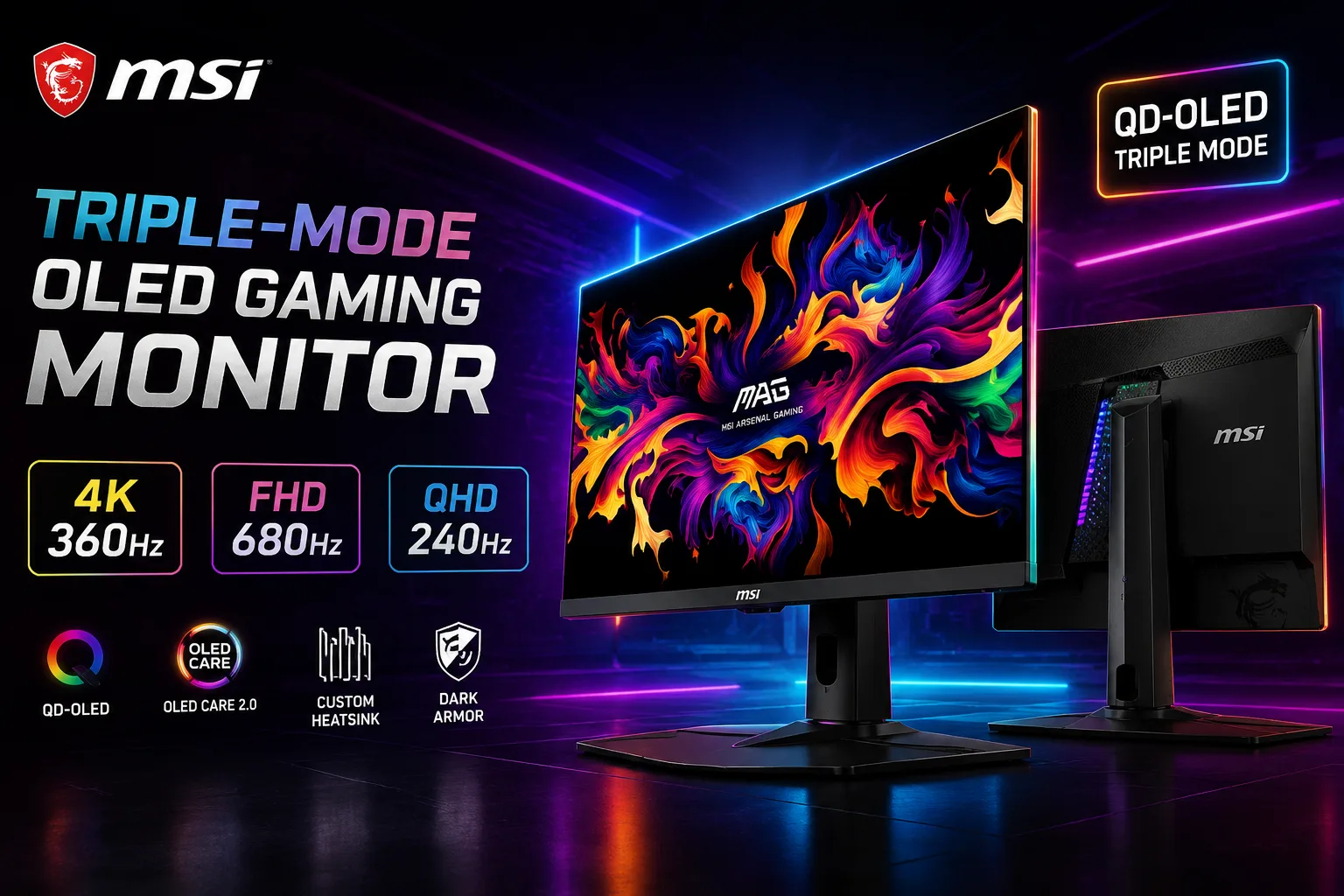
Why External Monitors Still Matter in 2026?
Even with major improvements in laptop displays, external monitors remain one of the most effective productivity upgrades available.
They provide:
- Larger workspace for multitasking
- Improved ergonomics through proper eye-level alignment
- Better task separation for focused workflows
This aligns directly with the workflow principles discussed in
👉 Key Laptop Accessories That Improve Performance and Comfort
A single well-chosen external monitor often delivers greater productivity gains than upgrading internal laptop specifications.
Ultrawide vs Dual Monitors: Practical Differences
The choice between ultrawide monitors and dual-monitor setups depends on workflow structure rather than performance.
- Ultrawide displays reduce window switching and simplify layouts
- Dual monitors provide stronger separation between tasks and applications
Writers, developers, and analysts often benefit from ultrawide screens, while research-heavy or communication-driven roles may prefer dual displays.
Ergonomics and Eye Comfort Are Often Ignored
Productivity is not just about speed—it is about sustainability and comfort.
Important factors include:
- Flicker-free brightness control
- Proper monitor height to reduce neck strain
- Matte coatings to minimize glare
External monitors allow significantly better ergonomic alignment than laptop screens alone. Long-term benefits include reduced fatigue and improved focus.
When Laptop Displays Are Enough
A high-quality laptop display may be sufficient if:
- Work is primarily single-task focused
- Portability is a priority
- Desk space is limited
However, screen size remains the limiting factor, not display quality. This directly relates to long-term planning discussed in
👉 When You Should Upgrade, Accessorize, or Replace Your Laptop

Key Takeaway:
Laptop displays and external monitors should be evaluated based on clarity, comfort, and workspace efficiency—not marketing-driven specifications.
A well-chosen external monitor often provides more real productivity value than internal hardware upgrades. Screen size, ergonomics, and visual comfort are the true foundations of sustainable professional work.
Understanding these factors enables smarter purchasing decisions and ensures long-term productivity without unnecessary upgrades.