Google’s Massive Android XR Bet Could Help It Sell Over 2 Million Smart Glasses in 2026
Quick Highlights
Google’s push into AI-powered smart glasses could become far bigger than many expected. Just days after Google and Samsung showcased their Android XR smart glasses during Google I/O 2026, a new market intelligence report now claims the company could sell more than two million smart glasses globally this year.
If the prediction turns out to be accurate, Google could quickly become the world’s second-largest AI smart glasses player behind Meta — a company that currently dominates the category through its Ray-Ban smart glasses lineup.
The growing interest around AI wearables also shows how quickly the industry is shifting toward always-on AI experiences that extend far beyond smartphones.
Google’s Android XR Smart Glasses Could Become a Major Success
According to a new Smart Analytics Global report, Google’s Android XR-powered smart glasses could cross two million global shipments in 2026 if the company avoids major supply issues or launch delays.
That would instantly make Google one of the largest players in the AI wearables market.
The report suggests the combination of Google’s AI ecosystem, Samsung’s hardware partnership, and strong fashion-focused collaborations could give the company a significant advantage as AI smart glasses become more mainstream.
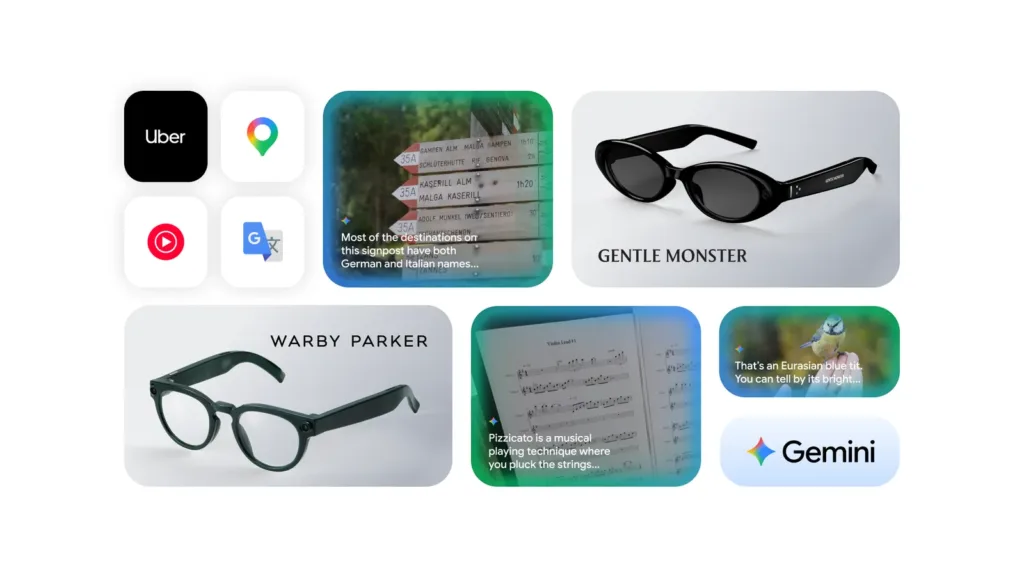
Google first showcased its Android XR platform during Google I/O 2026, where the company demonstrated smart glasses capable of live translation, AI conversations, contextual search, and real-time visual assistance powered by Gemini.
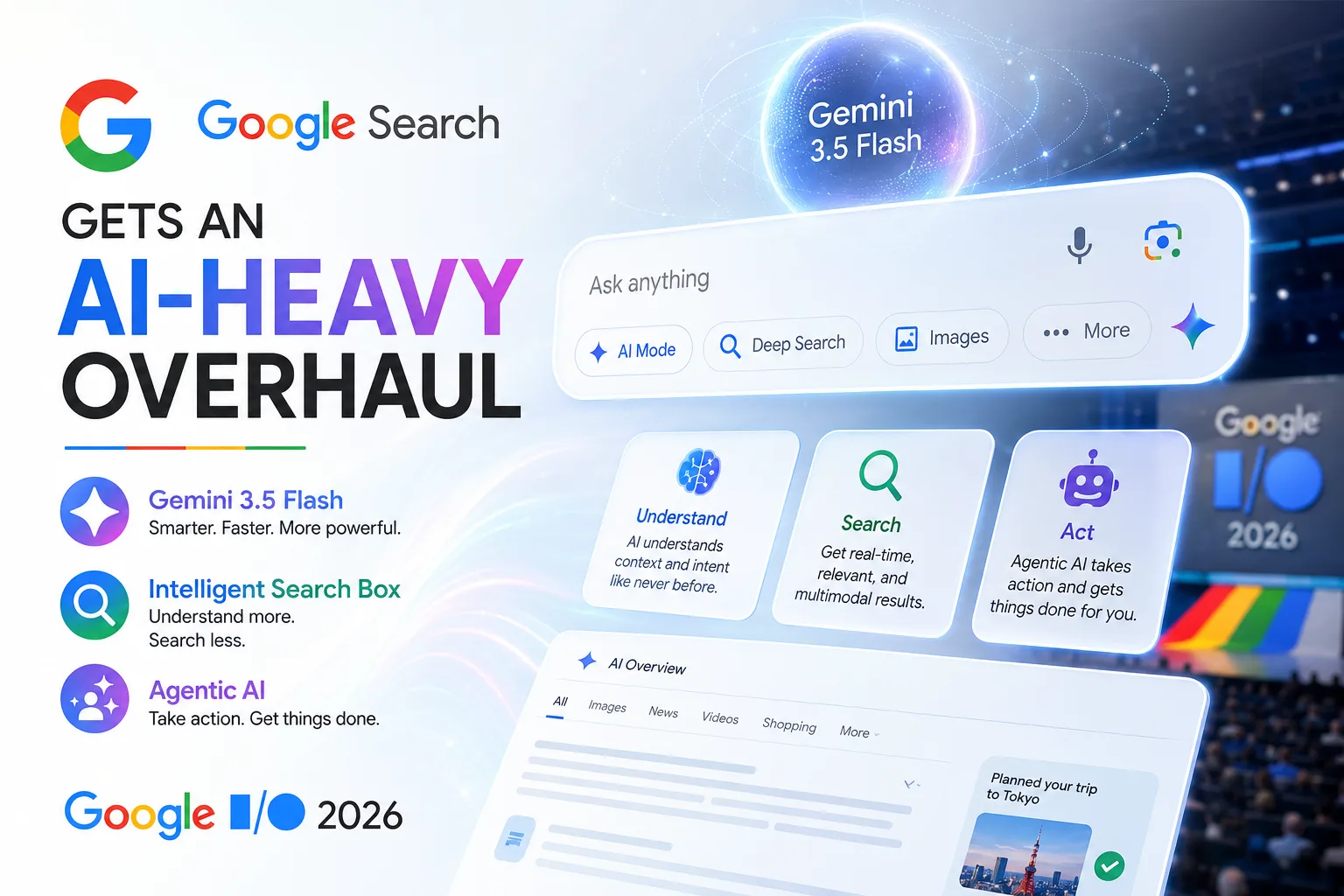
Google’s broader AI ambitions also became increasingly visible during Google I/O 2026: Massive AI Upgrades That Could Completely Change How You Use the Internet, where Gemini expanded across search, productivity tools, Android, and smart devices.
Warby Parker and Gentle Monster Could Help Google Reach Global Audiences
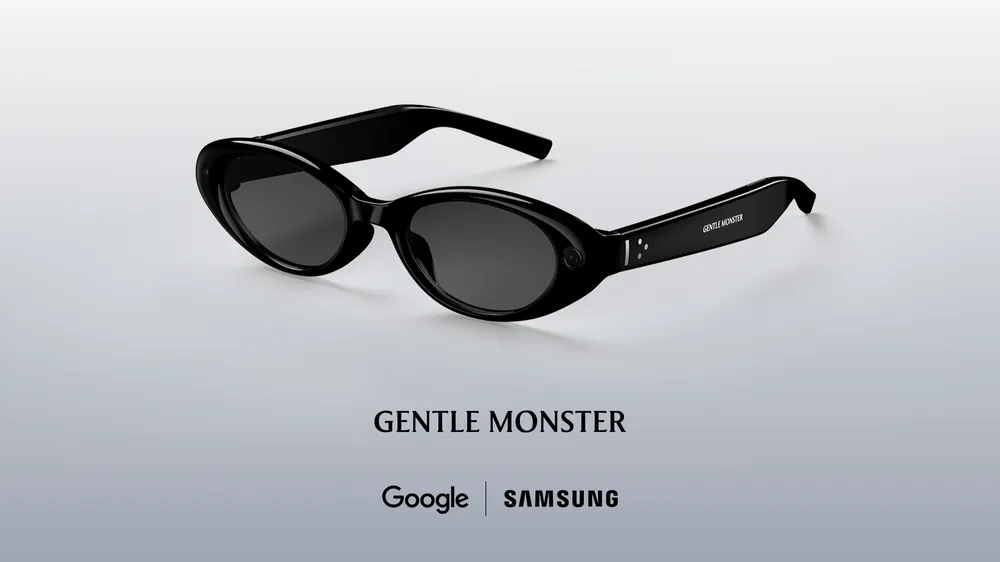
One of the biggest advantages for Google may come from its eyewear partnerships.
The company has partnered with New York-based Warby Parker as well as premium South Korean fashion brand Gentle Monster to build the upcoming Android XR glasses lineup.
According to the report, the two companies target very different audiences, which could help Google reach both mainstream and premium buyers globally.
Warby Parker brings strong retail presence and accessibility across North America, while Gentle Monster has become one of the most recognised luxury eyewear brands in Asia and several major fashion markets worldwide.
That mix could allow Google to position Android XR glasses as both practical AI devices and fashion-focused wearable products.
The wearable AI race has also intensified recently after Meta Brings Neural Handwriting on Ray-Ban Display to All Users, highlighting how aggressively companies are evolving smart glasses beyond simple camera accessories.
Meta Still Leads the AI Smart Glasses Market
Despite Google’s momentum, Meta currently remains the dominant force in AI smart glasses.
Meta’s Ray-Ban smart glasses helped popularise the category globally by combining AI features with familiar eyewear designs. Unlike earlier smart glasses attempts from the past decade, newer AI-powered models focus heavily on voice interaction, live assistance, audio features, and contextual AI experiences instead of augmented reality overlays alone.
The report notes that Meta spent years building consumer trust and refining its products before reaching large-scale adoption.
Google now appears to be attempting a much faster expansion by leveraging Gemini AI and Android XR from the very beginning.
Google’s growing AI ecosystem strategy also recently expanded into televisions and home entertainment through Google Chromecast Gets a Huge Gemini Upgrade as Google Surprisingly Revives Older Devices.
Audio AI Glasses May Dominate the Market First
Interestingly, the report claims audio-first AI glasses will likely remain the most popular category in the near future.
Compared to fully display-equipped smart glasses, audio-focused wearables are:
- lighter
- cheaper
- easier to manufacture
- less controversial from a privacy perspective
Display-equipped smart glasses still face challenges involving battery life, weight, pricing, and privacy regulations in several markets.
Because of that, companies may continue prioritising AI audio assistants and voice interaction before pushing fully immersive AR experiences into the mainstream.
TechularZtrix Take
Google entering the AI smart glasses race seriously feels very different compared to the original Google Glass era.
This time, the company already has Gemini, Android XR, Samsung’s hardware support, and years of AI infrastructure ready before launch. That gives Google a much stronger foundation than many earlier wearable experiments.
The biggest question now is whether consumers are finally ready to wear AI devices daily.
If Google can keep pricing reasonable while making Gemini genuinely useful in real-world situations, Android XR glasses could quickly become one of the biggest new hardware categories in tech over the next few years.
For more details, visit Google Android XR Official Page.