Samsung Galaxy Z Fold8 Ultra Officially Announced With 200MP Camera, Bigger Battery and Next-Gen Galaxy AI
Quick Highlights
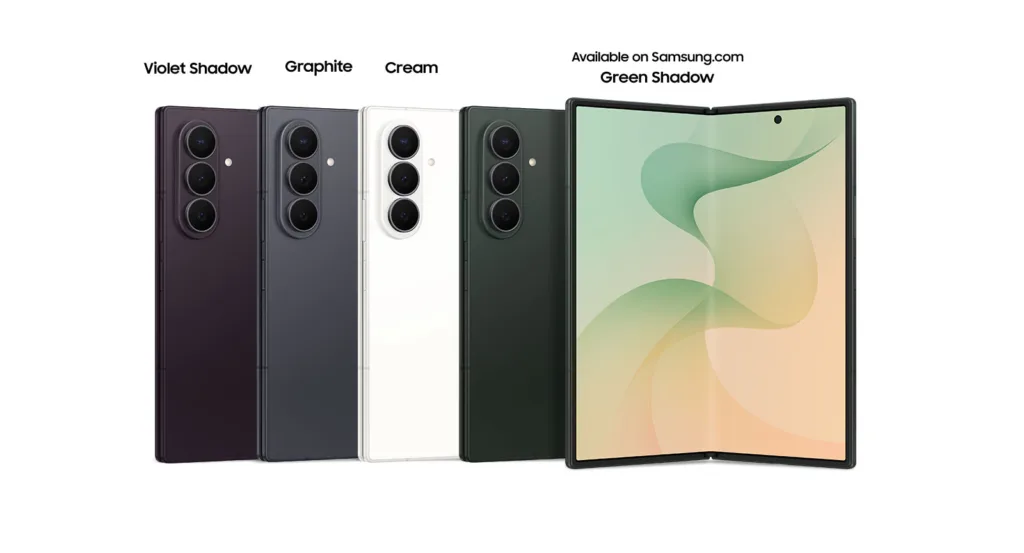
Samsung has officially expanded its foldable lineup with the Galaxy Z Fold8 Ultra, introducing what the company describes as its most capable foldable smartphone to date. Rather than focusing on a dramatic redesign, Samsung has refined nearly every aspect of the Fold experience, from a slimmer chassis and brighter displays to a significantly upgraded camera system and deeper Galaxy AI integration.
The Galaxy Z Fold8 Ultra arrives at a time when foldable smartphones are becoming more mainstream, but competition is also intensifying. Brands such as Honor, OPPO and vivo have continued pushing thinner hardware and larger batteries, forcing Samsung to evolve its flagship foldable beyond incremental upgrades.
With a new 200MP primary camera, Snapdragon 8 Elite Gen 5 for Galaxy chipset, larger battery, improved durability and Android-based AI features built around productivity, Samsung is positioning the Fold8 Ultra as more than a premium smartphone—it wants it to replace a traditional phone, tablet and even parts of a laptop workflow.
Samsung Focuses on Making Foldables More Practical
One of the biggest criticisms of earlier foldable phones was their thickness and weight. While previous Galaxy Fold models continued to improve, many users still viewed them as bulkier than conventional flagship smartphones.
The Galaxy Z Fold8 Ultra addresses that concern with a noticeably slimmer profile.
Samsung says the device measures 8.9mm when folded and 4.1mm when unfolded, while the overall weight has been reduced to 215g. That makes it lighter than several previous Fold generations while maintaining a premium metal-and-glass construction.
The company has also redesigned the hinge mechanism to deliver a smoother unfolding experience and improved structural rigidity. Internally, Samsung now uses Flex Titanium reinforcement alongside strengthened display protection to improve long-term durability.
Combined with refined engineering, these changes make the Fold8 Ultra feel closer to a conventional flagship smartphone while still delivering the flexibility of a foldable display.
Larger Displays Designed for Work and Entertainment
Samsung continues to build around its dual-display concept.
The Galaxy Z Fold8 Ultra features an expansive 20.31cm Dynamic AMOLED 2X main display with a QXGA+ resolution (2504 × 2256) and an adaptive 120Hz refresh rate.
The outer cover display measures 16.48cm, offering a Full HD+ resolution and the same Dynamic AMOLED 2X technology with adaptive refresh.
Samsung has also increased peak brightness to 3,000 nits, making outdoor visibility significantly better than earlier Fold models. Anti-reflective improvements further reduce glare when using the device under direct sunlight.
The result is a foldable experience that feels equally comfortable whether you’re replying to messages on the cover display or editing documents, watching videos and multitasking on the larger inner screen.
Snapdragon 8 Elite Gen 5 for Galaxy Powers Everything
Performance remains one of Samsung’s biggest priorities for its Ultra devices.
The Galaxy Z Fold8 Ultra is powered by the Snapdragon 8 Elite Gen 5 for Galaxy, Qualcomm’s latest flagship chipset customised specifically for Samsung.
According to Samsung, the processor delivers:
- 21% faster AI processing
- 16% faster CPU performance
- 15% stronger GPU performance
compared with the previous Galaxy Z Fold generation.
These improvements aren’t limited to benchmark scores. Samsung says the upgraded Neural Processing Unit (NPU) enables faster on-device AI features while improving image processing, multitasking efficiency and gaming performance.
The Fold8 Ultra also includes 12GB RAM alongside storage options of 256GB, 512GB, and 1TB, giving power users ample room for large apps, professional workflows and high-resolution media.
A Bigger Battery Without Making the Phone Bulkier
Increasing battery capacity inside a foldable smartphone has always been a difficult engineering challenge.
Samsung has managed to increase capacity to 5,000mAh, up from previous Fold models, while simultaneously reducing the device’s overall thickness.
The company claims users can expect up to 27 hours of video playback, making the Fold8 Ultra one of Samsung’s longest-lasting foldable phones so far.
Combined with the efficiency improvements offered by the Snapdragon chipset and Samsung’s software optimisation, the larger battery should help users comfortably handle productivity tasks, video streaming and gaming throughout the day.
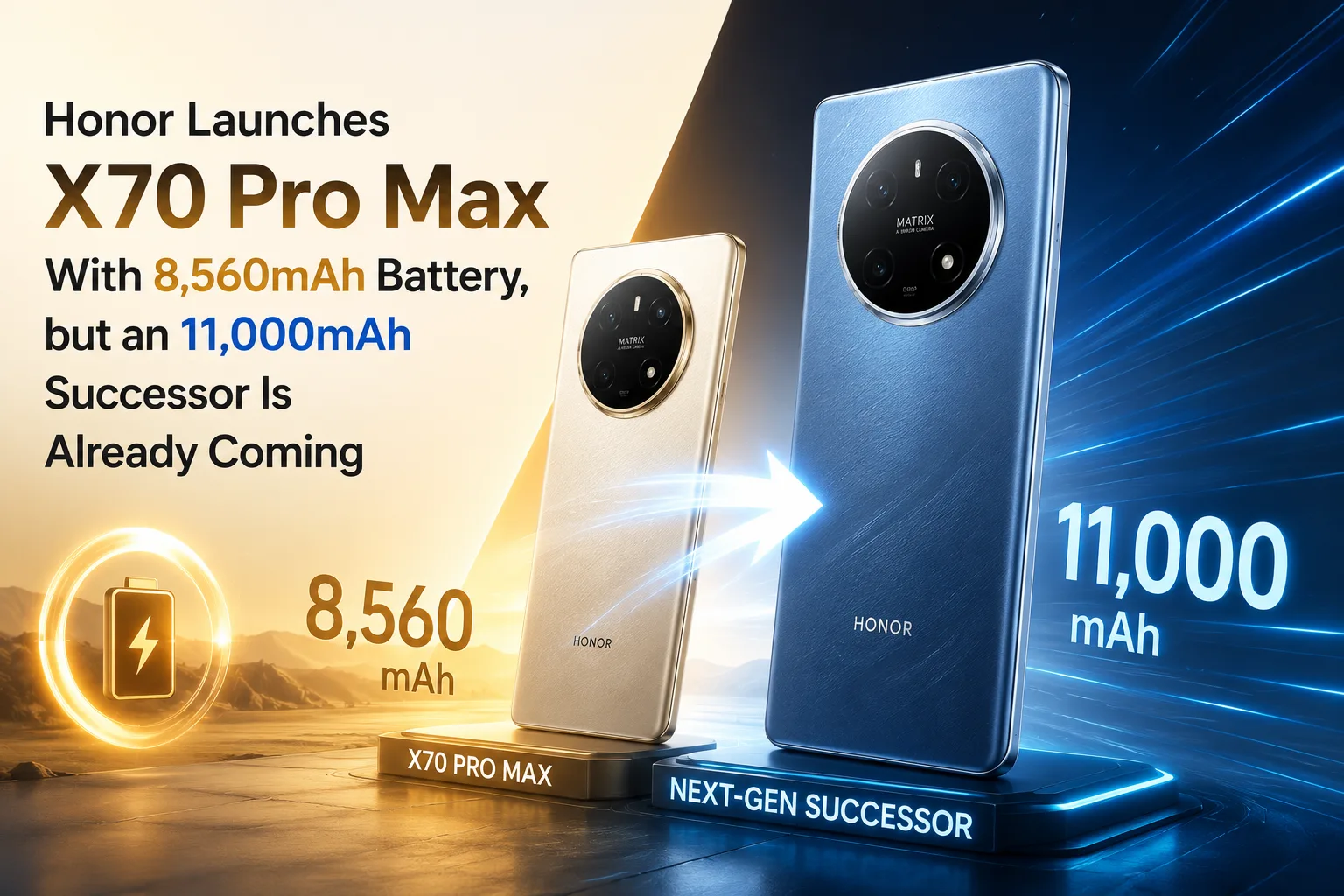
Battery life has become one of the biggest areas of competition across flagship smartphones, with manufacturers increasingly adopting larger capacities. We recently saw a similar focus on endurance in Honor Launches X70 Pro Max With 8,560mAh Battery, but an 11,000mAh Successor Is Already Coming, highlighting how battery technology is rapidly evolving across the premium smartphone segment.
Designed for Productivity With One UI 9
Samsung’s foldable software experience continues evolving alongside the hardware.
Running Android with One UI 9, the Galaxy Z Fold8 Ultra makes full use of its larger display through advanced split-screen multitasking and floating windows.
Users can run multiple applications simultaneously, drag content between apps, and quickly switch between workflows without repeatedly returning to the home screen.
Samsung has also optimised its multi-window interface specifically for the Fold’s larger display, making document editing, research, communication and media consumption significantly more efficient than on conventional smartphones.
This productivity-first approach also aligns with Google’s latest Android improvements. Features introduced in Android 17 Officially Rolls Out With Powerful New Multitasking, Privacy and Gaming Features continue pushing large-screen Android devices toward a more desktop-like experience, and Samsung is building on that foundation with its own software enhancements.
A 200MP Camera Finally Comes to Samsung’s Foldable Lineup
Samsung has delivered one of the biggest camera upgrades ever seen on a Galaxy Fold device.
The Galaxy Z Fold8 Ultra features a triple rear camera system consisting of:
- 200MP Wide Camera (OIS)
- 50MP Ultra-Wide Camera
- 10MP Telephoto Camera with 3x Optical Zoom
The new 200MP primary sensor captures considerably more detail than previous Fold models, while Samsung says its upgraded image processing pipeline improves colour reproduction, dynamic range and overall sharpness.
Meanwhile, the 50MP ultra-wide sensor now supports 8K video recording, allowing users to capture much wider scenes without sacrificing image quality.
Samsung has also upgraded image processing through its latest ProVisual Engine, which analyses lighting conditions in real time to improve detail while reducing image noise.
Night Photography Gets Smarter
Low-light photography is another area Samsung has focused on.
The improved ProVisual Engine works together with the upgraded camera sensors to process difficult lighting conditions more intelligently.
Instead of simply increasing brightness, the system attempts to preserve realistic shadows, reduce digital noise and improve overall detail in darker scenes.
Samsung says this helps users capture better photos during concerts, restaurants, city nights and outdoor gatherings without excessive image processing artifacts.
Video recording also benefits from improved stabilisation through Super Steady, while 8K recording allows creators to crop footage later without significant quality loss.
Galaxy AI Becomes Even More Useful
Beyond hardware, Samsung is placing Galaxy AI at the centre of the Fold8 Ultra experience.
One of the biggest additions is Now Nudge.
Rather than forcing users to constantly switch between apps, Now Nudge proactively suggests relevant actions based on what they’re currently doing.
For example, if someone messages you about an upcoming meeting, Galaxy AI can immediately suggest opening your calendar alongside the conversation using Samsung’s split-screen interface.
The goal is to reduce unnecessary app switching while keeping important information available exactly when it’s needed.
My FanCam Makes Video Editing Easier
Samsung has also introduced a feature called My FanCam.
Using Galaxy AI, the phone can analyse wide-angle videos and automatically generate a new version that follows a selected subject throughout the recording.
Instead of manually cropping or editing footage, users simply select the person they want to track, and the AI creates a new video centred around that individual.
For creators recording sports, performances or family events, this could significantly reduce editing time.
Photo Assist Continues Expanding
Samsung’s AI-powered Photo Assist also receives additional improvements.
Users can now describe edits using natural language, allowing Galaxy AI to intelligently modify photos without requiring advanced editing skills.
On the Fold8 Ultra’s large internal display, Samsung also makes it easier to compare the original and edited versions side by side before saving changes.
Large-screen foldables remain particularly well suited for AI-assisted editing because the additional display space provides a much more comfortable workspace than conventional smartphones.
Samsung Is Building a Complete Foldable Ecosystem
The Fold8 Ultra isn’t designed to work alone.
Samsung continues strengthening its ecosystem with tighter integration across:
- Galaxy Buds
- Galaxy Watch
- Galaxy Ring
- SmartThings
- Samsung DeX
The company has also made switching from competing platforms easier.
Google recently introduced a significantly improved migration experience in Android 17, allowing iPhone users to wirelessly transfer more personal data—including passwords, Wi-Fi credentials and eSIM information—to Android devices. Combined with Samsung’s own Smart Switch tools, moving to the Fold8 Ultra should now require fewer manual setup steps than before.
Should You Wait for the Galaxy Z Fold8 Ultra?
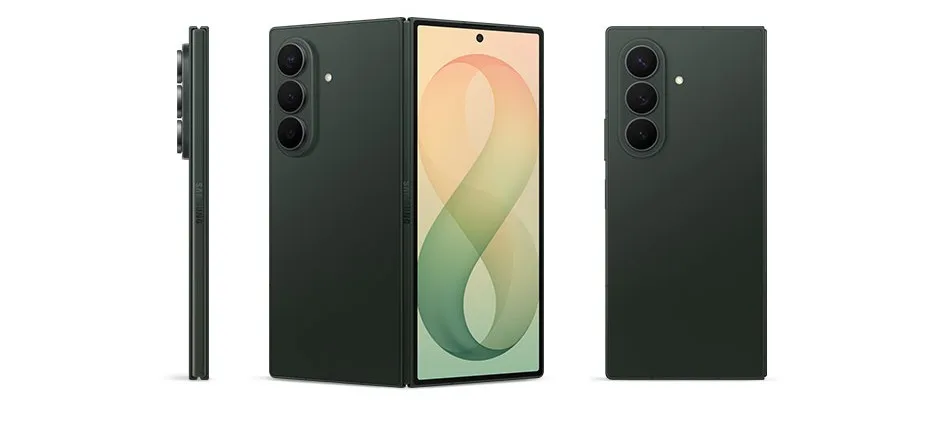
Although Samsung has officially announced the Galaxy Z Fold8 Ultra, the device is currently available for pre-order, with wider retail availability expected shortly.
For existing Fold users, the decision largely depends on priorities.
Those looking for:
- A significantly better camera
- Improved battery life
- Thinner hardware
- Better Galaxy AI integration
will likely find the Fold8 Ultra a meaningful upgrade.
However, users who recently purchased the Fold7 may find the improvements more evolutionary than revolutionary.
Competition is also becoming increasingly aggressive. Devices such as the vivo X100 Pro vs OPPO Find X7 Ultra Comparison: Which Camera Flagship Is Better to Buy in 2026? demonstrate how quickly flagship smartphone cameras are advancing, while traditional premium phones like the Comparison – Samsung Galaxy S26 Ultra vs iPhone 17 Pro Max: Which Flagship Is Better For You in 2026? continue offering compelling alternatives for users who don’t specifically need a foldable design.
⚡ TechularZtrix Scan
📌 Bottom Line: The Galaxy Z Fold8 Ultra isn’t a complete redesign, but it delivers meaningful improvements in nearly every area that matters. Samsung has made the Fold thinner, lighter, more powerful and significantly more capable as both a productivity device and a flagship camera phone.
🎯 Target Audience: Power users, professionals, creators, multitaskers and Android enthusiasts looking for Samsung’s most advanced foldable experience.
🏆 Biggest Win: The combination of a 200MP camera, Snapdragon 8 Elite Gen 5 for Galaxy, 5,000mAh battery and deeper Galaxy AI integration makes this Samsung’s strongest Fold series upgrade in years.
⚠️ Biggest Compromise: The Fold8 Ultra remains a premium flagship, and buyers who don’t need a foldable display may still find better value in conventional Ultra smartphones.
📈 Why It Matters: Samsung continues pushing foldables closer to becoming true all-in-one productivity devices. Rather than simply improving hardware, the company is combining AI, multitasking and premium cameras into a package designed to replace multiple devices.
🔍 What Happens Next: With the Galaxy Z Fold8 Ultra now officially announced, attention will shift toward real-world performance, battery endurance and camera testing once retail units become widely available. Samsung’s biggest challenge will be defending its leadership as foldable competition continues to grow throughout 2026.