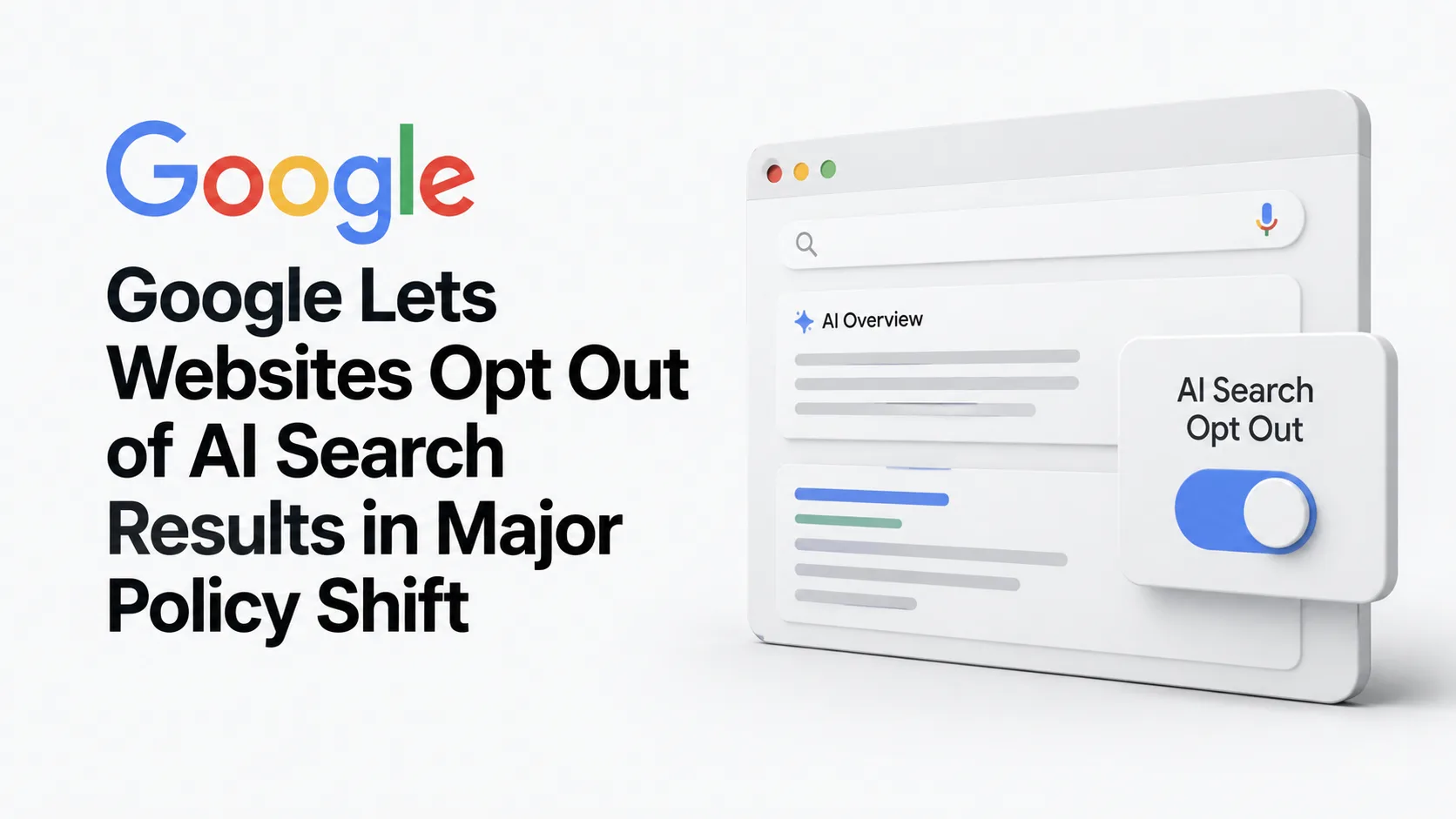
AI Browsers Are Transforming the Web: How Smart Search Tools Redefine Online Access

AI Browsers and Smart Search Tools: The New Way People Use the Web
AI browsers and smart search tools are no longer experimental features—they are actively reshaping how users interact with the internet. Traditional search engines relied on keyword matching and link rankings. Today, AI-driven browsers interpret intent, summarize content, compare sources, and deliver direct answers instead of blue links.
This shift is not cosmetic. It represents a fundamental change in how information is discovered, filtered, and trusted, affecting publishers, businesses, and everyday users alike.
What Exactly Is an AI Browser?
An AI browser is a web browser or search interface that integrates machine learning, natural language processing (NLP), and contextual reasoning directly into the browsing experience.
Unlike conventional browsers, AI browsers can:
- Understand complex, conversational queries
- Summarize long-form content instantly
- Cross-reference multiple sources in real time
- Predict follow-up questions and user intent
Examples include AI-enhanced versions of mainstream browsers and standalone AI-first search tools that function more like research assistants than search engines.
How Smart Search Tools Differ From Traditional Search Engines
Traditional search engines prioritize:
- Keywords
- Backlinks
- Page authority
Smart search tools prioritize:
- User intent
- Contextual understanding
- Information synthesis
Instead of forcing users to open multiple tabs, AI-powered search tools extract, compare, and explain information in a single interface. This mirrors how users already consume content—quickly, selectively, and with minimal friction.
This behavioral shift aligns closely with changing device usage patterns discussed in Best Laptop vs Desktop in 2026: Smart Performance for Real Users, where efficiency and task-oriented computing now matter more than raw hardware power.
Why AI Browsers Are Gaining Adoption So Fast
1. Information Overload Is Real
The modern web is saturated with content. AI browsers reduce cognitive load by summarizing and prioritizing relevance.
2. Search Is Becoming Conversational
Users increasingly expect natural-language interaction rather than keyword guessing—similar to how passkeys replaced passwords by removing friction in authentication, as explored in Passkeys Replacing Passwords: Are Passwords Finally Becoming Obsolete?
3. Faster Decision-Making
Whether comparing products, researching topics, or troubleshooting problems, AI browsers deliver actionable insights, not just links.
AI Browsers vs Traditional Browsers: Practical Differences
| Feature | Traditional Browser | AI Browser |
|---|---|---|
| Search results | List of links | Summarized answers |
| User input | Keywords | Natural language |
| Research | Manual tab switching | Automated synthesis |
| Personalization | Limited | Context-aware |
This evolution mirrors earlier tech transitions—similar to how SSDs replaced HDDs due to speed and efficiency gains explained in SSD vs HDD: Which Storage Is Better for Speed, Gaming, and Daily Use?
Privacy Concerns With AI Browsers
AI browsers rely heavily on:
- Browsing behavior
- Query history
- Contextual signals
This raises legitimate concerns about data ownership, transparency, and user consent in AI browsers and smart search tools. Because these platforms continuously analyze browsing behavior, search intent, and contextual signals, privacy risks increase when data processing practices are unclear. According to guidance published by the European Data Protection Supervisor (EDPS) on artificial intelligence and digital platforms → https://www.edps.europa.eu/data-protection/our-work/subjects/artificial-intelligence, AI-driven services must clearly disclose how user data is collected, processed, and retained to ensure compliance with privacy regulations and protect user rights.
How AI Search Is Reshaping Content Publishing
For content creators and publishers, AI browsers change visibility rules:
- Rankings matter less than content clarity
- Authority is measured by accuracy and structure
- Long-form content must be AI-readable and human-useful
This trend reinforces why foundational topics like ARM vs x86 Processors Explained: Why Chip Architecture Is a Big Tech News Story continue to perform well—AI systems favor technically accurate, well-structured content over clickbait.
Will AI Browsers Replace Traditional Search Completely?
Not immediately. Instead, we are entering a hybrid phase:
- Traditional search remains for exploration
- AI browsers dominate decision-making and research tasks
Over time, however, AI-powered discovery is likely to become the default—especially for users who value speed, context, and reduced complexity.
Final Verdict: Is AI Browsing the Future of the Web?
Yes—but with conditions.

AI browsers and smart search tools offer undeniable advantages in speed, comprehension, and usability. However, their success depends on responsible data handling, transparency, and user control.
As the web continues to evolve, AI-powered browsing will not just change how we search—it will redefine what it means to access information online.