
SpaceX’s Explosive Starship V3 Launch Marks a Huge Leap for Future Mars Missions
Quick Highlights
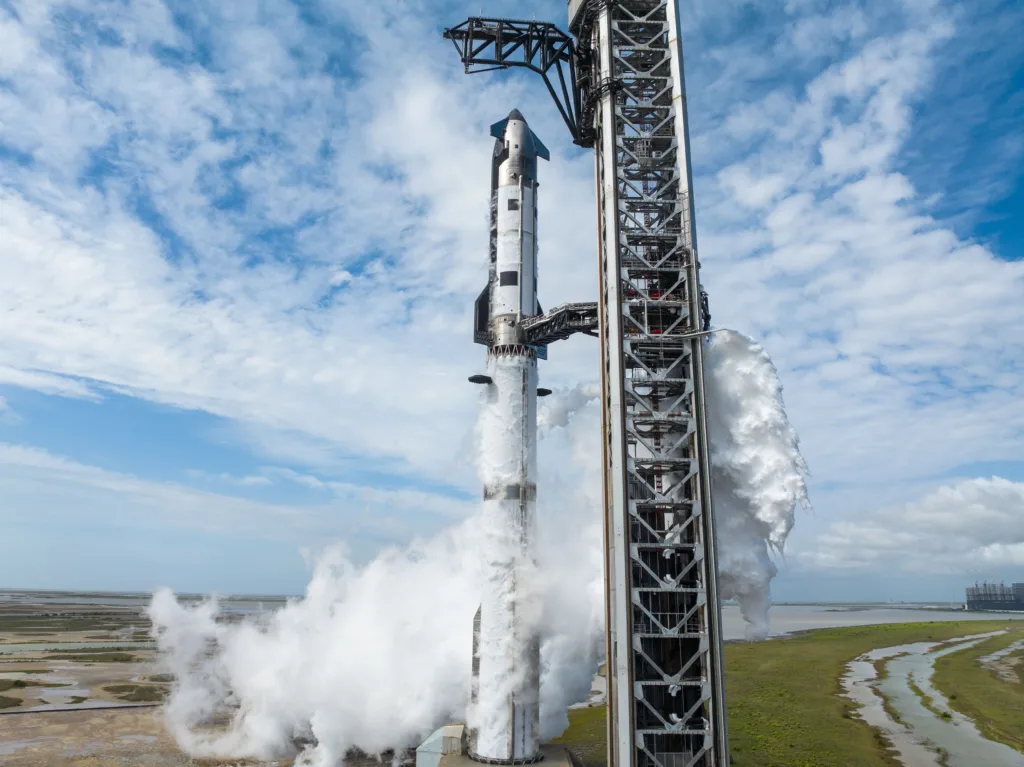
SpaceX has officially launched the upgraded Starship V3 rocket for the very first time, marking one of the company’s biggest milestones yet in its mission to build a fully reusable deep-space transportation system. While the mission did not end perfectly, the launch still delivered several major achievements for Elon Musk’s aerospace company.
The gigantic 407-foot-tall rocket lifted off successfully from Starbase, Texas, before separating the upper-stage spacecraft from the Super Heavy booster just minutes into flight. Starship itself continued climbing into space and completed multiple test objectives, but the booster failed during its return attempt and likely exploded after crashing into the Gulf of Mexico.
Even with the dramatic ending, this was still one of SpaceX’s most important Starship flights so far because it served as the first real-world test of the heavily upgraded Starship V3 platform.
The launch also arrives at a major moment for the company after SpaceX is churning out 70 Starlink satellites a week in Redmond, and other tidbits from its IPO filing revealed how aggressively SpaceX is scaling both Starlink production and its broader business ahead of its Nasdaq debut.
Starship V3 Successfully Reaches Space
The mission began from SpaceX’s Starbase facility in Texas at approximately 5:30 PM local time. Shortly after liftoff, the Starship upper stage successfully separated from the Super Heavy booster and continued ascending into space as planned.
This flight represented the first major in-space validation of Starship V3, which includes significant upgrades across the rocket’s engines, recovery systems, payload deployment hardware, and launch infrastructure.
During ascent, one of Starship’s six Raptor engines shut down unexpectedly. However, the spacecraft continued operating normally and still managed to complete most of its primary mission goals.
SpaceX has spent years developing Starship because the company sees the rocket as essential for future Moon missions, Mars colonization plans, and next-generation Starlink deployments.
Booster Recovery Attempt Ends in Failure
The biggest issue during the mission happened after stage separation.
The Super Heavy booster attempted a simulated return and landing sequence over the Gulf of Mexico. However, its engines failed to properly reignite during the sustained landing burn phase that was required to stabilize the descent.
As a result, the booster lost control, tumbled toward the water, and likely exploded on impact.
Even though the booster recovery failed, the company will still gain valuable flight and telemetry data from the test. SpaceX has historically treated these failures as part of its rapid engineering and iteration process.
Starship Successfully Deploys Payloads
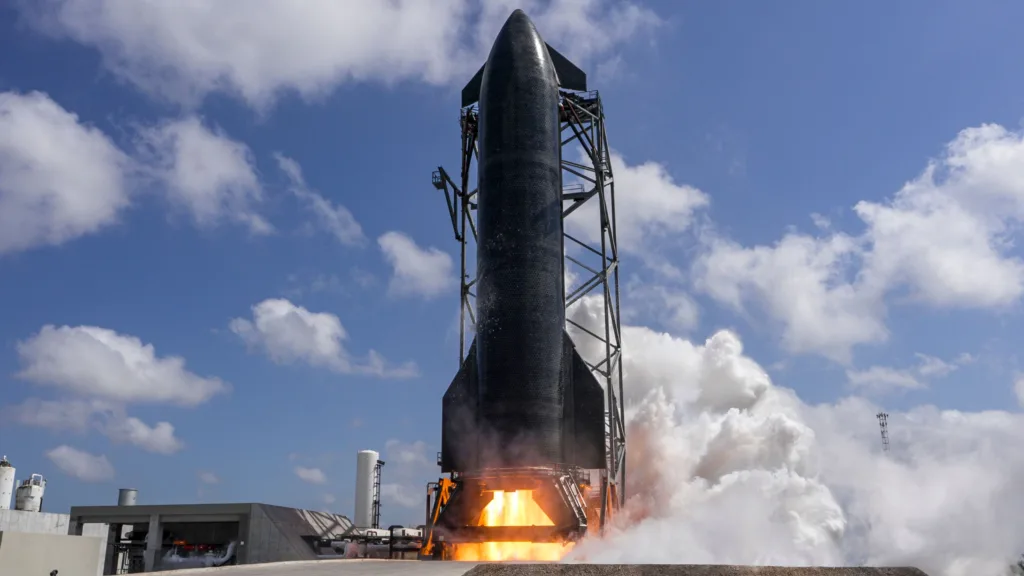
While the booster was lost, the upper-stage Starship vehicle still managed to complete one of the mission’s most critical tasks.
The spacecraft successfully deployed 20 Starlink satellite simulators along with two modified Starlink satellites that were specifically designed to capture footage of Starship during flight.
Around one hour after launch, Starship carried out a simulated landing sequence in the Indian Ocean before tipping over and exploding as expected during splashdown.
The destruction of the upper stage was part of the planned mission profile, as SpaceX primarily focused on testing the upgraded systems during this flight.
Why This Launch Matters So Much for SpaceX
This mission was about far more than simply launching another prototype.
Starship V3 is expected to become the foundation for SpaceX’s long-term space transportation plans, including NASA Moon missions, future Mars exploration, and large-scale Starlink launches.
The flight also marked the debut of SpaceX’s brand-new launchpad systems at Starbase, which the company has reportedly spent years developing.
More importantly, Starship has become deeply connected to SpaceX’s overall business future because Starlink is currently the company’s most profitable operation.
That growing relationship between internet infrastructure, AI systems, and large-scale cloud connectivity is becoming increasingly visible across the tech industry, especially after Google won’t rest until Gemini is everywhere in your home highlighted how major companies are rapidly expanding connected AI ecosystems across consumer hardware platforms.
SpaceX’s IPO Adds Even More Pressure
The timing of the launch makes the mission even more significant.
Just days earlier, SpaceX’s IPO filing became public, with reports suggesting the company could raise as much as $75 billion through its public offering. That could make it one of the largest IPOs in history.
The company is expected to use the funding for:
- expanding Starlink
- accelerating Starship development
- AI infrastructure projects
- xAI growth
- operational expansion
This also means future Starship launches may soon face much heavier scrutiny from investors once SpaceX officially becomes a publicly traded company.
TechularZtrix Take
Despite the failed booster landing, this was still a major step forward for SpaceX.
Starship V3 successfully reached space, deployed payloads, tested upgraded systems, and validated critical hardware changes during one of the company’s most ambitious test flights yet.
Explosions and failed landings are nothing new for SpaceX. The company’s entire development strategy has always relied on aggressive testing, rapid iteration, and learning from real-world failures instead of avoiding them.
The bigger story here is that Starship is slowly evolving from an experimental rocket into the backbone of SpaceX’s future business model.
And once public investors officially enter the picture after the IPO, every Starship launch could become far more important than ever before.
For more details, SpaceX’s official Starship mission updates include additional information about the V3 test flight and recovery systems