
What Makes a Smartphone Fast? The Real keyPerformance Factors That Matter

What makes a smartphone fast
What makes a smartphone fast is not just its processor or RAM size. Real-world smartphone performance depends on software optimization, storage speed, thermal management, and how efficiently hardware works together.
When evaluating modern devices, many users ask what makes a smartphone fast in everyday use rather than on paper.
Readers comparing devices can also explore our detailed mobile and gadgets buying guides to better understand real-world performance differences.
Smartphone performance is often judged by specifications such as processor names or RAM size. While these details matter, they do not fully explain why some phones feel consistently fast while others slow down over time. Real-world performance depends on how well different components work together, not on a single specification.
This article explains what truly makes a smartphone fast, focusing on processor design, memory handling, storage speed, software optimization, and thermal control—in a way that is technically accurate yet easy to understand.
Processor: The Core of Smartphone Performance
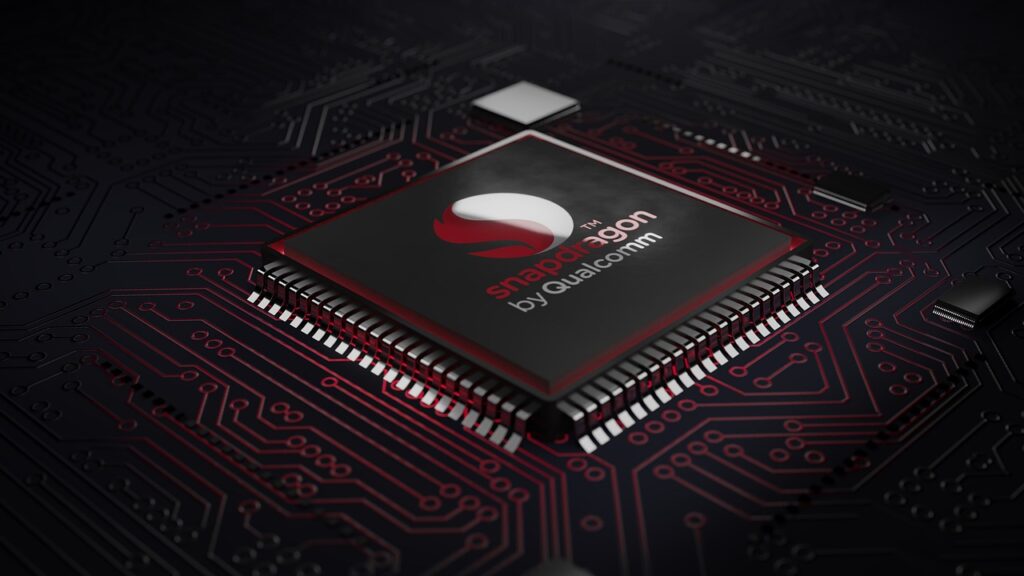
The processor, also called the chipset, is responsible for handling all major tasks on a smartphone. Modern processors are designed with multiple cores that serve different purposes. Some cores handle demanding tasks like gaming or video processing, while others manage lighter background activities.
This design allows smartphones to deliver strong performance without unnecessary battery drain. A well-designed processor ensures apps open quickly, animations feel smooth, and the system remains responsive during heavy use.
RAM and How Smartphones Handle Multitasking

RAM determines how efficiently a smartphone can manage multiple apps at the same time. When switching between apps, RAM allows the phone to keep them active instead of restarting them.
This becomes especially relevant when comparing multitasking performance across different devices, which we regularly cover in our smartphone performance comparisons.
However, more RAM alone does not guarantee better performance. The operating system plays a key role in deciding how memory is used. Phones with optimized memory management often feel smoother than devices with higher RAM but inefficient software.
Storage Speed and Everyday Responsiveness
Internal storage affects how fast apps load, how quickly files open, and how smooth system updates feel. Faster storage reduces delays during everyday tasks and improves overall responsiveness.
As apps become larger and operating systems more advanced, storage speed has become a critical factor in how fast a phone feels during normal use.
Software Optimization: Where Performance Is Won or Lost

Software optimization has a direct impact on smartphone performance. The operating system controls how hardware resources are used, how background apps behave, and how smoothly the interface responds to user input.
This highlights that what makes a smartphone fast is often the balance between hardware capability and software efficiency.
Smooth smartphone performance heavily depends on software optimization principles followed by modern mobile operating systems.
Phones with clean, well-optimized software tend to maintain consistent performance over time. In contrast, poorly optimized software can cause lag, overheating, and faster battery drain, even on powerful hardware.
Heat Management and Long-Term Performance

Smartphones generate heat during intensive tasks such as gaming, navigation, or video recording. If heat is not managed properly, the system reduces performance to protect internal components.
Effective thermal management allows a smartphone to maintain stable performance during extended use, while poor heat control leads to noticeable slowdowns despite strong specifications.
Network Performance and Real-World Speed

Network performance also influences how fast a smartphone feels. Faster and more stable connectivity improves app loading times, cloud syncing, and streaming quality.
Good network optimization ensures that online activities remain smooth, especially in everyday scenarios where connectivity plays a major role.
Conclusion
Smartphone performance is not defined by a single feature or specification. It is the result of a balanced system where the processor, RAM, storage, software, and thermal design work together efficiently. Understanding these factors helps users evaluate smartphones more accurately and make informed decisions beyond marketing claims. Understanding what makes a smartphone fast allows users to make smarter purchasing decisions based on real performance.